
ALFRED JANES (1911-1999)
Paintings and Constructions
1930s – 1980s
from the Artist’s Estate
PRIVATE VIEW: Thursday 22nd October 6-8pm
The exhibition continues until Saturday 7th November
IN CONVERSATION
Ceri Thomas, author of Alfred Janes, Maker of Pictures (forthcoming, Parthian Books, November 2026)
will be ‘In Conversation’ with Hilly Janes, daughter of the artist at 6pm on Wednesday 4th November.
Space is limited. Please contact the gallery if you would like to attend.
Alfred Janes was born in 1911 in the centre of Swansea, above his parent’s fruit and flower shop in Castle Street. He was educated at the Swansea School of Arts and Crafts, where a portrait he made of fellow student Mervyn Levy (1914-1996) won him a scholarship to the Royal Academy Schools in 1931.
Despite the quality of the teaching at the Royal Academy Schools, Janes quickly became drawn towards the modernist work being shown in the nearby Cork Street galleries. He found the Royal Academy increasingly antiquated in its approach, and ultimately did not complete his course. Instead, he found himself learning and developing through the social and artistic circles he had become part of in London.
Among these were a group of bohemian friends from Swansea, including the poets Dylan Thomas, Charles Fisher, John Pritchard and Vernon Watkins, the composer Daniel Jones, and fellow artist Mervyn Levy. The group became known as the Kardomah Gang, named after the Kardomah Café in Castle Street, Swansea, where they had often met.
Throughout the 1930s, even after drifting away from the Academy, Janes remained closely connected to this circle. He lived in a series of London flats shared with other members of the Kardomah Gang, and the friendships and artistic discussions that surrounded him became an important part of his development as a painter.
Much of Janes’ early work centred on still lifes and portraits of his friends. In 1935, several of his works, including a portrait of Dylan Thomas, were selected by Augustus John and Cedric Morris for an exhibition of ‘young artists of merit’. The following year, Janes held his first one-man show at the Everyman Gallery in Hampstead.
In 1937, his work was included in an exhibition at the Mayor Gallery alongside artists such as Picasso, Braque, Derain and Utrillo. For Janes, who had become increasingly interested in the modernist movement outside the Royal Academy, the exhibition placed his work in the company of artists he greatly admired.
In 1936, Janes had returned to Swansea, where he began teaching part-time at the Swansea Art School. Teaching would become a lifelong part of his career. Alongside it, he continued to paint, maintaining the practice that would remain at the centre of his life.
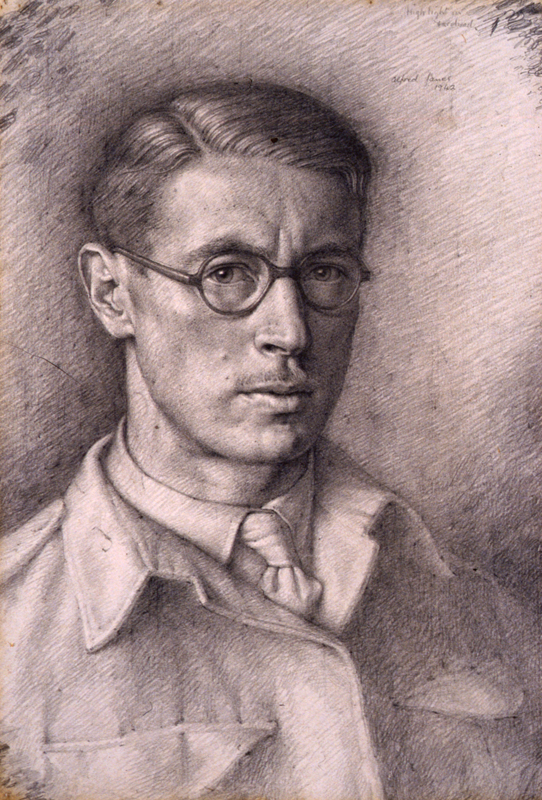
When war broke out, however, Janes put painting on hold. Because of his poor eyesight, he was conscripted into the Pioneer Corps rather than the fighting forces. He was eventually stationed in Egypt, where he worked running a prisoner-of-war camp. While there, Janes learned Italian from a young prisoner, Dr Gianni Bernardini. The two formed a friendship that survived the war, and they remained close for the rest of their lives.
When Janes returned to Swansea after the war, he found a city profoundly changed by the bombing. Castle Street, the centre of his childhood and the meeting place of the Kardomah Gang, had been devastated. His former studio and the Kardomah Café had both been destroyed.
He also returned to a family life that the war had kept him from experiencing. While on leave during the war, Janes had married Mary Ross, but he had not met their son, Ross, until his return home. After years away, in an almost unrecognizable Swansea, and with a very different life before him now, Janes found returning to painting “hellishly difficult”.
In 1953 the Janes moved to Nicholaston Hall, a scenic farmhouse in Gower, Wales. A year later their daughter Hilly was born. While at Nicholaston Hall they often entertained and maintained their Swansea friendship as an active part of artistic life of Swansea. In fact, Kingsley Amis’ book That Uncertain Feeling was based on the crowd which the Janes moved about in.
In 1963, they moved to Dulwich Village after Alfred Janes was offered a part-time post teaching at Croydon College of Art. He was to remain teaching on a part time basis until his 70’s.
THE EXHIBITION
This exhibition brings together work spanning his lifetime, from meticulously executed still lifes, through his experimental modes of the late 1950s and 1960s, to works of the 1980s that repurposed paintings from the early and mid-1960s. All come from the artist’s estate. Janes’ work changed dramatically throughout his life, making it difficult to draw a single visual thread through its many forms. What can be traced across his work, however, is a sustained commitment to the process of craft.
Below is a selection of works that will be included in the exhibition
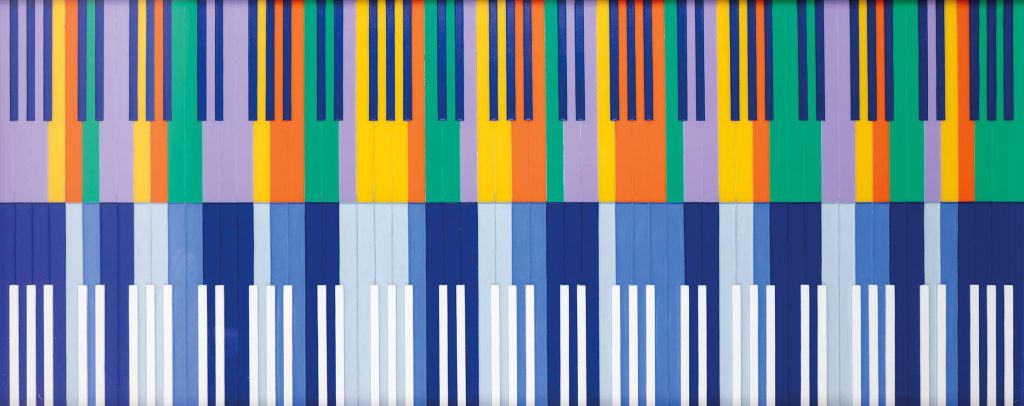
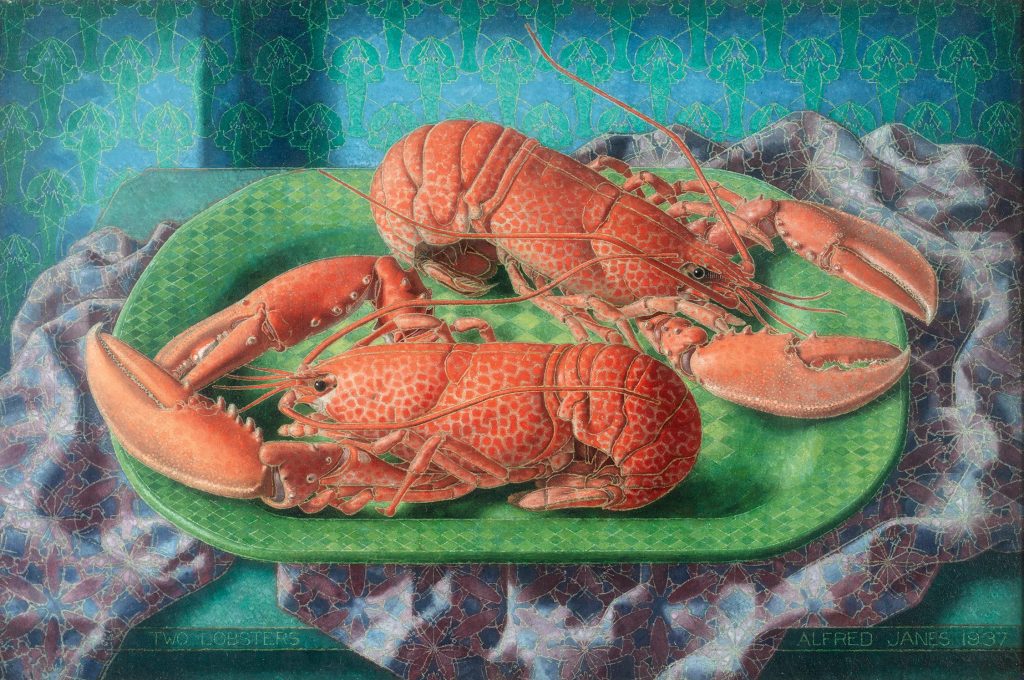
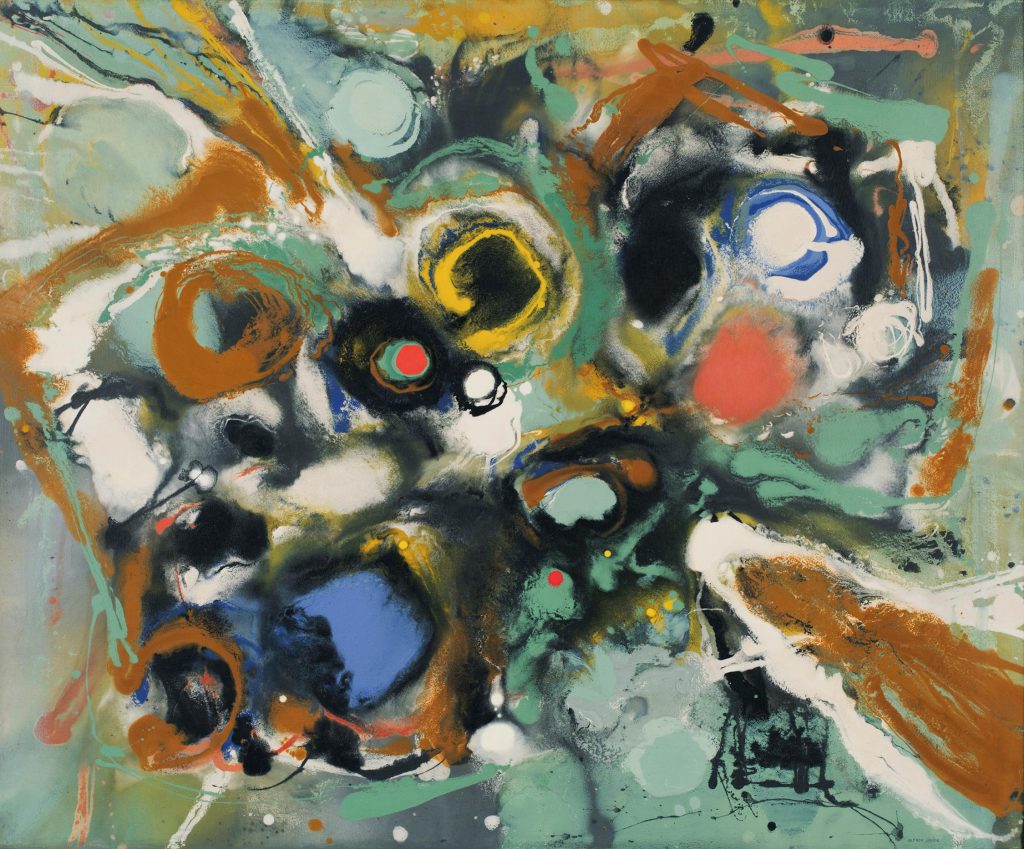
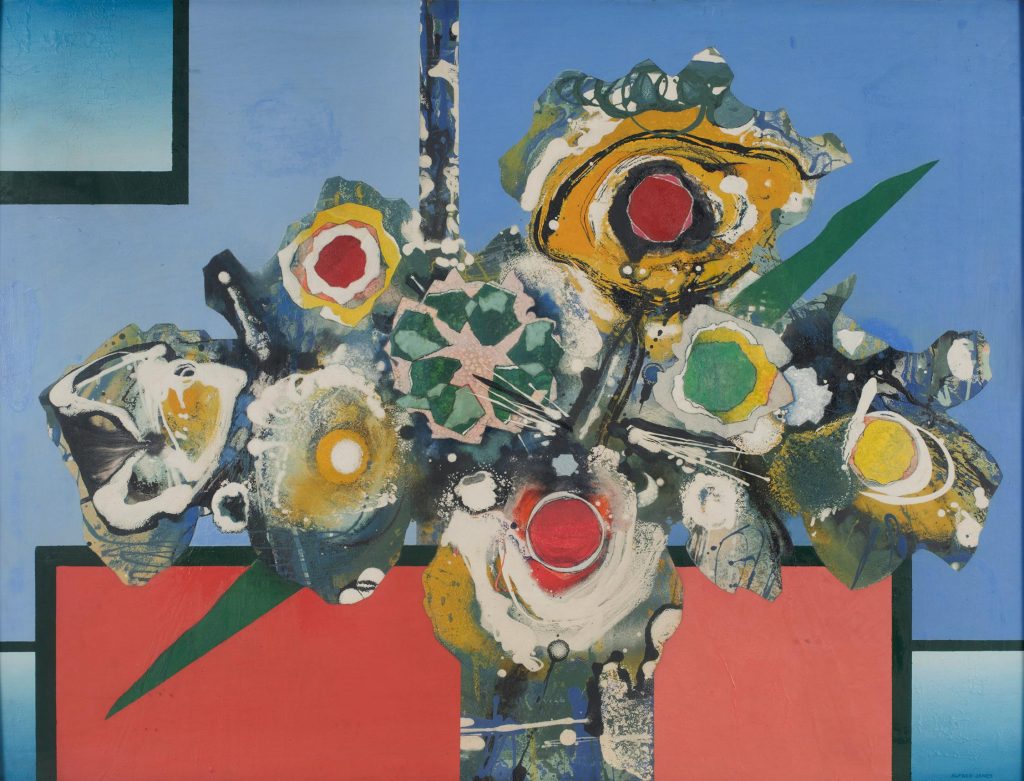
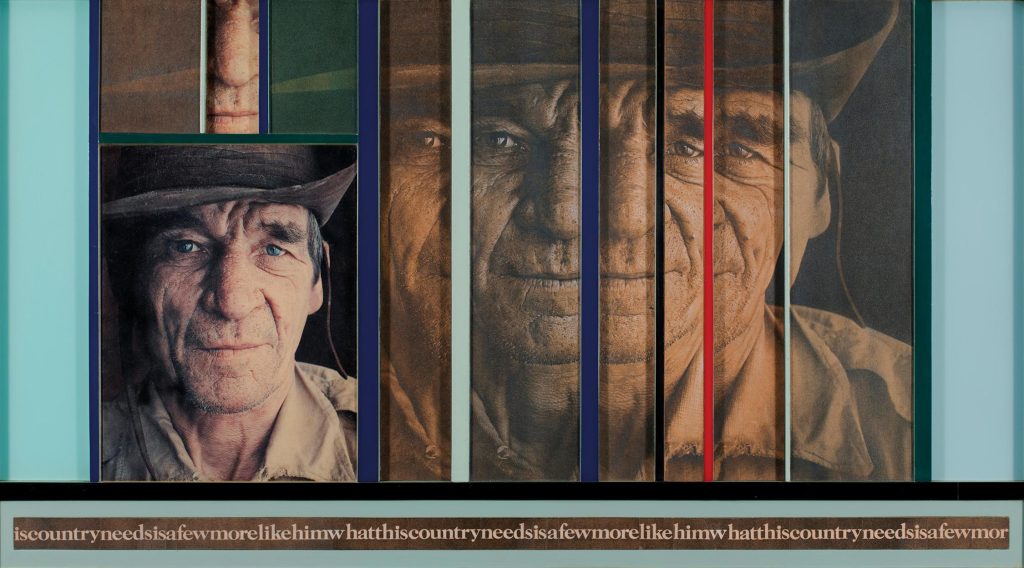
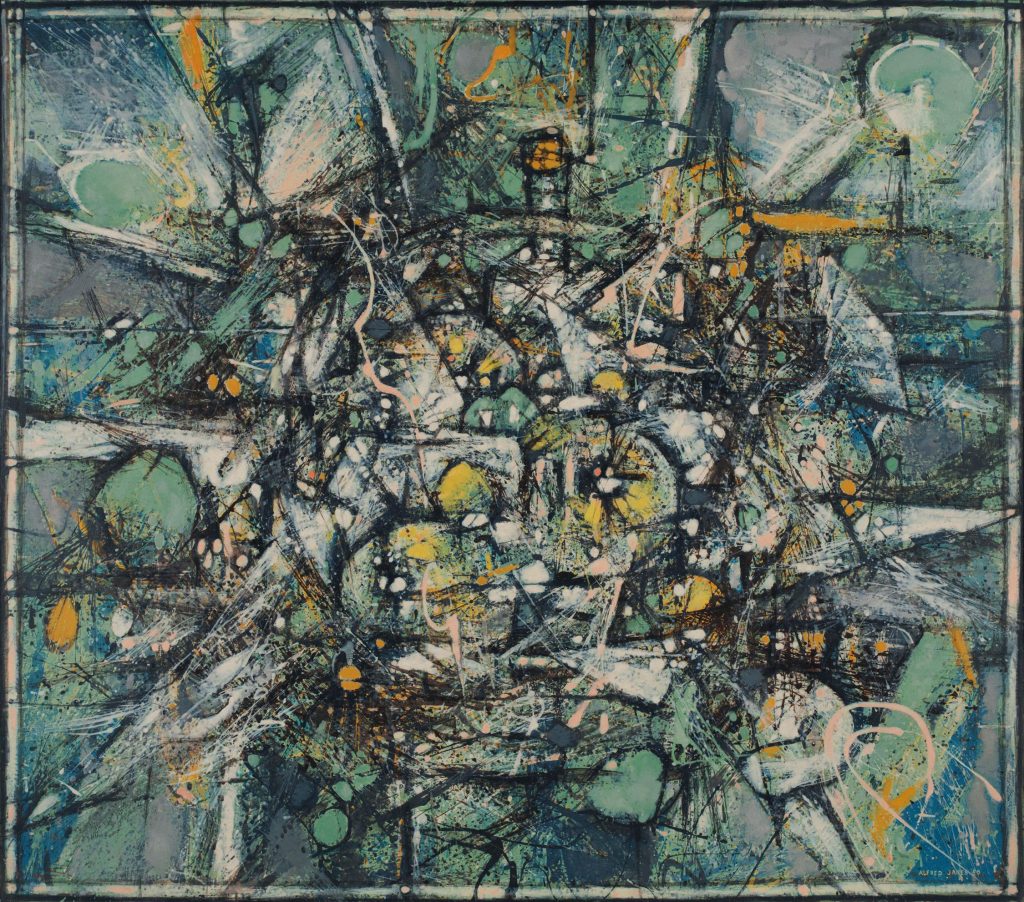
Photography credits: Vince Bevan and Lucid Plane, by kind permission of the artist’s family.
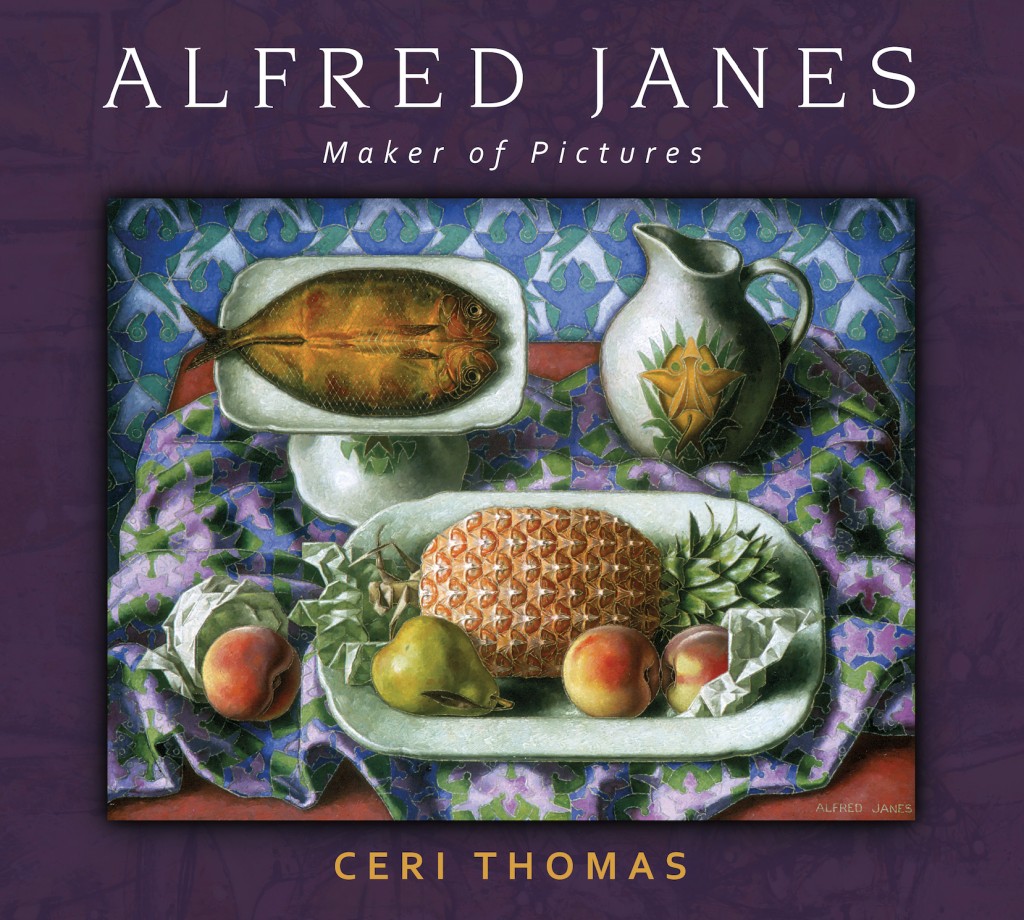
This exhibition celebrates the forthcoming, November publication of the first monograph on Alfred Janes, written by Ceri Thomas. The book is available for Pre-Order now via Parthian Books (click image opposite).
IN CONVERSATION
Ceri Thomas will be ‘In Conversation’ with Hilly Janes, daughter of the artist at 6pm on Wednesday 4th November. Space is limited. Please contact the gallery if you would like to attend.
In addition to the publication of the new book, the Glynn Vivian Art Gallery in Swansea will be displaying its fine collection of works by Janes from Thursday October 15th – January 2027.