
BRIAN STONEHOUSE
Selected Archive
This is a selection of works sold from our previous Brian Stonehouse exhibitions.
CLICK HERE to view available works by Brian Stonehouse.
BRIAN STONEHOUSE M.B.E. (1918-1998)
WWII SOE Secret Agent then Vogue fashion illustrator
Born in Devon, Brian Stonehouse spent his childhood in France but returned to England in 1932 to study at Ipswich School of Art. He was conscripted into the Royal Artillery at the outbreak of war in 1939. Following a brief period as a gunner, and later a translator, the young artist and fluent French speaker caught the attention of the Special Operations Executive and was recruited in 1942 as a wireless operator with the code name Celestin.
Disguised as a French art student, a B2 suitcase radio concealed within his artist’s box, Stonehouse survived four months between July and October 1942 inside occupied France before being arrested by the Vichy French and Gestapo. Stonehouse was imprisoned in the Concentration Camps of Saarbrüchen, Mauthausen, Struthof Natzweiler and finally, Dachau. A natural survivor, he gained brief respites from slave labour by appealing to the vanity of his captors, sketching portraits of them and their families. After Stonehouse was liberated by the US Army on 29th April 1945 he was awarded a military MBE and continued to assist the military with interrogations at the War Tribunals in Germand. General Eisenhower considered Stonehouse to have had ‘one of the most amazing experiences of the war’.
Stonehouse met American officer Major Harry Haller Jnr after the War. Haller was an energetic, well-connected Society figure. He and Stonehouse moved to New York and lived there together between 1946-1955. Haller’s social connections gave Stonehouse an immediate entrée into New York High Society and afforded him the opportunity to secure portrait commissions. He had a natural flare for capturing his sitters’ elegant clothing and accessories and he came to the attention of American Vogue’s editor, Jessica Daves. Daves still believed that Fashion’s story was best told by a mix of illustration and photography. And so, in 1952, Stonehouse became the first new fashion illustrator to be employed by American Vogue since the beginning of the War. Interest in fashion was strong after the drab War Years and Stonehouse found himself in the thick of fashion illustration’s golden decade. He became expert, with ‘Eric’ (Carl Erickson 1891-1958) and Rene Bouché (1905-1963) at conveying both the glamorous, couture look of the time and the emerging world of leisure-wear.
The freelance fashion illustrator 1962-1979
In 1962, Diana Vreeland succeeded Jessica Daves as editor of American Vogue. Under this new and radical editorship, fashion illustration was largely replaced by photography. Stonehouse left Vogue to become a freelance illustrator. He was resourceful. His time at the magazine had familiarised him with the world of advertising and marketing – essential to his illustrations had been a very practical understanding of ‘fashion-as-product’ – and such was his reputation that he had little trouble receiving commissions from department stores such as Saks Fifth Avenue and Lord and Taylor, from magazines such as Gimbels and luxury brands such as Elizabeth Arden and Dupont. Due to a studio fire few of his drawings from the Sixties survive. However, his drawings from the Seventies show that his style had developed from the Frenchified, painterly look of the Fifties to something far leaner and more graphic, in line with fashion illustrators such as Kenneth Block (1924-2009) and ‘Antonio’ (1943-1987).
Throughout the Seventies, Stonehouse regularly visited the Illustration Society of New York, where he was provided with models and kept in close touch with developments in the illustration world. The latter half of the Twentieth Century saw a broadening of illustrative styles, with artists becoming less concerned with the accuracy of their drawing and giving more interpretive depictions of fashion. But despite the ability of the camera to capture clothing faithfully and in detail, Stonehouse’s work demonstrates just how valuable draughtsmanship continued to be; his economic and expert handling of line gives every bit of information necessary in understanding the cut of an outfit and the fall of a fabric.
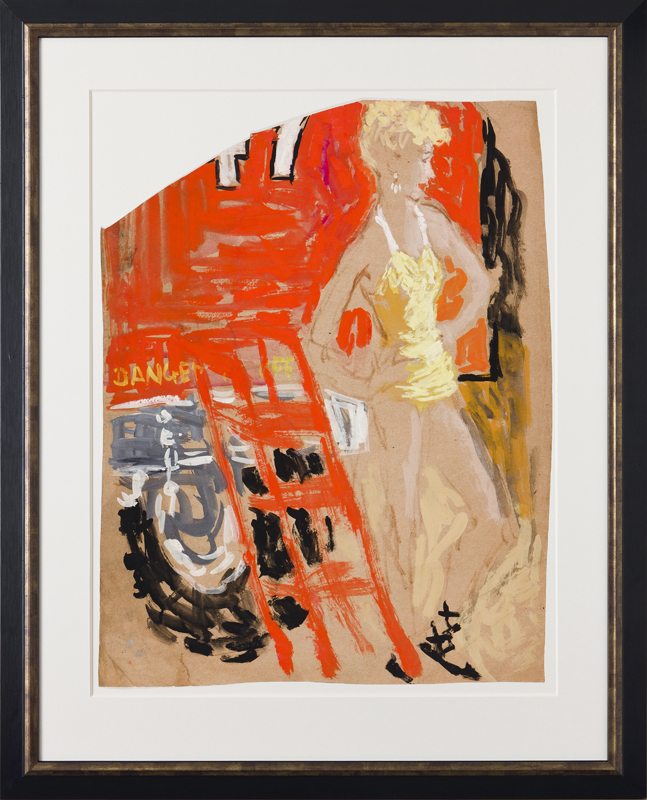
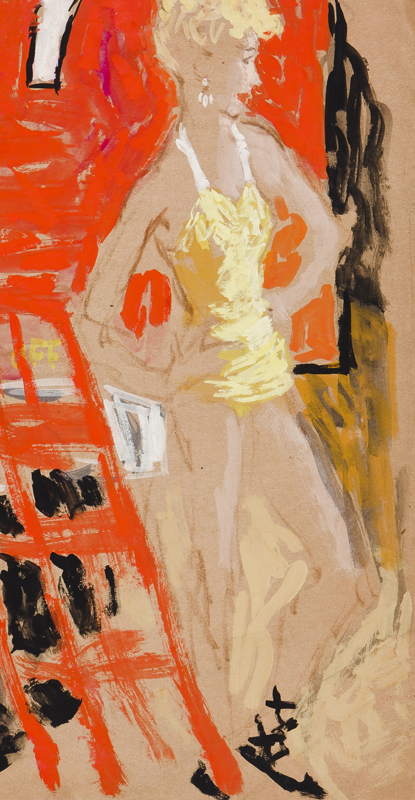 STONEHOUSE Brian M.B.E. (1918-1998) The Yellow Bathing Costume. Watercolour and gouache on tan paper. Shaped for layout. For an American fashion magazine, probably Vogue, circa 1955. Provenance: The artist’s estate. Stamped ‘Stonehouse Estate / A and H’ verso. 21x16 inches (irregular). Framed: 29x23.5 inches.
 Click for framed photo
●
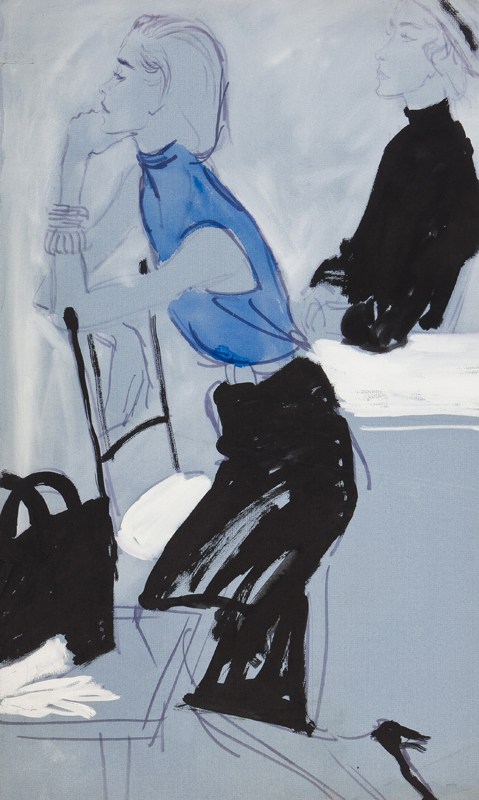 STONEHOUSE Brian M.B.E. (1918-1998) The Pencil Skirt. Ink and gouache with fibre-tip pen on blue paper. For an American fashion magazine, probably Vogue, circa 1955. Provenance: The artist’s estate. Stamped ‘Stonehouse Estate / A and H’ verso. 23.5x14 inches (irregular). Framed: 31x21.25 inches.
 ●
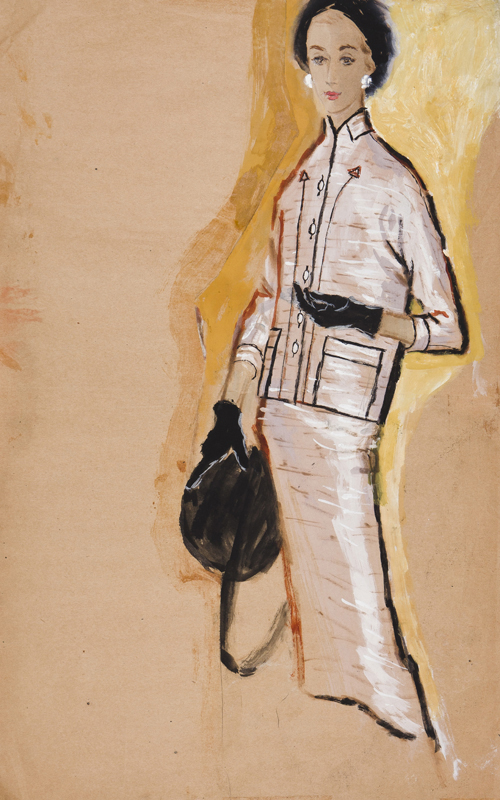 STONEHOUSE Brian M.B.E. (1918-1998) The Pink Suit with Black Accessories. Gouache and watercolour with fibre-tip pen on tan paper. For an American fashion magazine, probably Vogue, circa 1955. Ill: p.41, Brian Stonehouse, Frederic Sharf with Michelle Finamore, Publ. 2014. Provenance: The artist’s estate. Stamped ‘Stonehouse Estate / A and H’ verso. 28x13.5 inches. Framed: 35.5x20.25 inches.
 ●
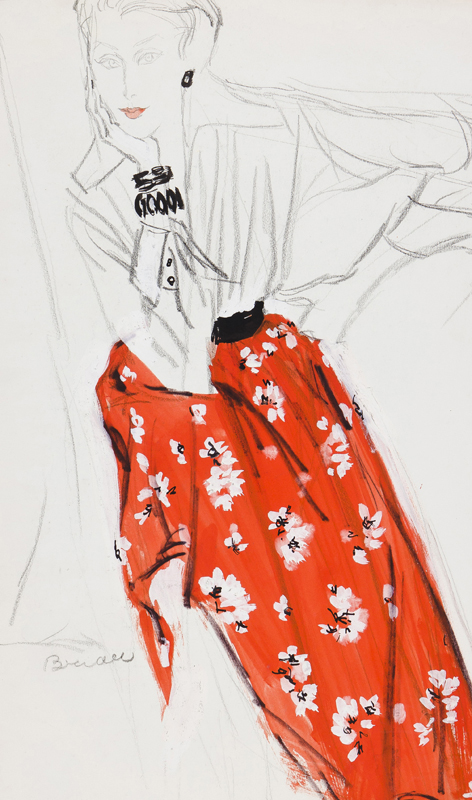 STONEHOUSE Brian M.B.E. (1918-1998) The Red Evening Skirt. Pencil, ink and gouache. Signed. For Vogue, circa 1955. Provenance: The artist’s estate. Stamped ‘Stonehouse Estate / A and H’ verso. 23x13.5 inches. Framed: 30x20.5 inches.
 ●
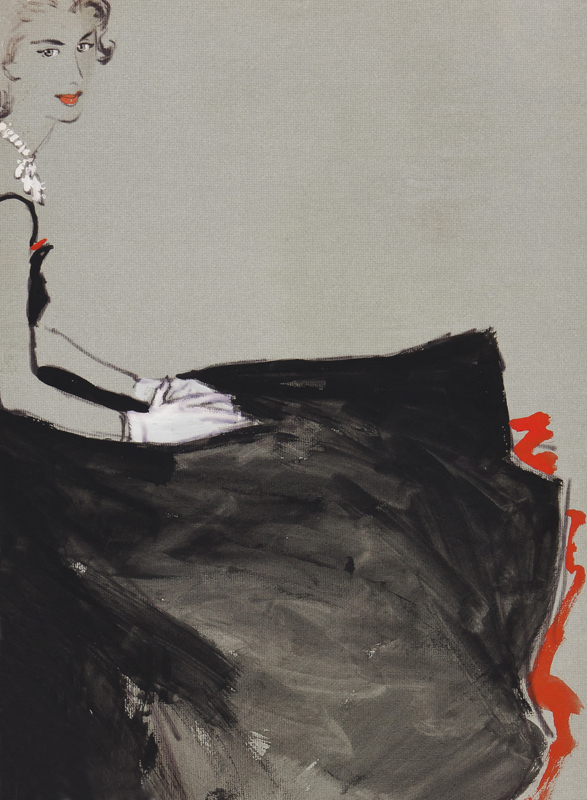 STONEHOUSE Brian M.B.E. (1918-1998) The Evening Dress. Gouache and ink with fibre-tip pen on blue grey paper. Shaped for layout. For an American fashion magazine, probably Vogue, circa 1955. Provenance: The artist’s estate. Stamped ‘Stonehouse Estate / A and H’ verso. 23.5x14.75 inches (irregular). Framed: 31x22 inches.
 ●
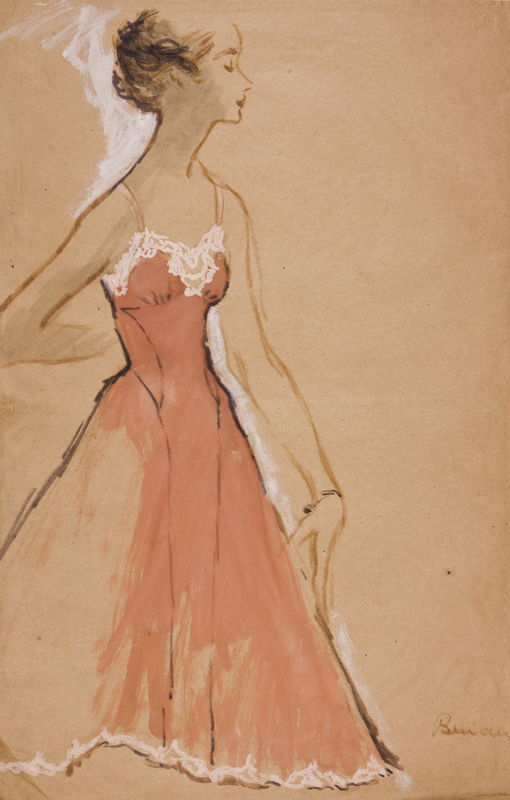 STONEHOUSE Brian M.B.E. (1918-1998) Lingerie, No.1. Gouache and fibre-tip pen on tan paper. Signed. Ill: Vogue, October 1st, 1952, ‘Rediscovery in lingerie – the range of creamy shades’. Ill: p.40, Brian Stonehouse, Frederic Sharf with Michelle Finamore, Publ. 2014. Provenance: The artist’s estate. Stamped ‘Stonehouse Estate / A and H’ verso. 29x19 inches. Framed: 36.5x25.5 inches.
 ●
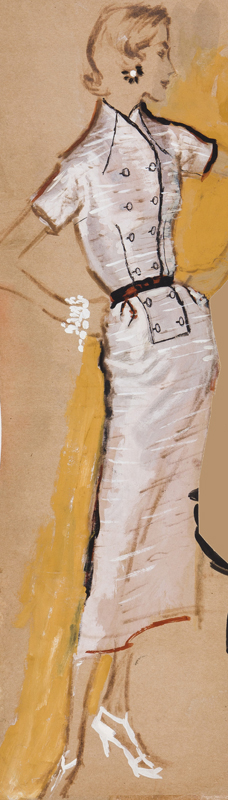 STONEHOUSE Brian M.B.E. (1918-1998) The Pink Dress. Ink and gouache with fibre-tip pen on tan paper. Shaped for layout. For an American fashion magazine, probably Vogue, circa 1955. Provenance: The artist’s estate. Stamped ‘Stonehouse Estate / A and H’ verso. 29x11.5 inches (irregular). Framed: 37.5x18.5 inches.
 ●
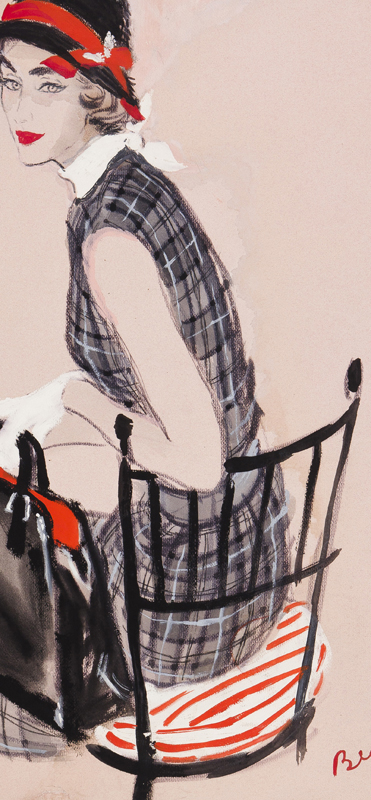 STONEHOUSE Brian M.B.E. (1918-1998) The Checked Dress. Watercolour and gouache with fibre-tip pen on pink paper. Shaped for layout. Signed. For Vogue, circa 1955. Provenance: The artist’s estate. Stamped ‘Stonehouse Estate / A and H’ verso. 24.5x18 inches (irregular). Framed size: 32x25.25 inches.
 ●
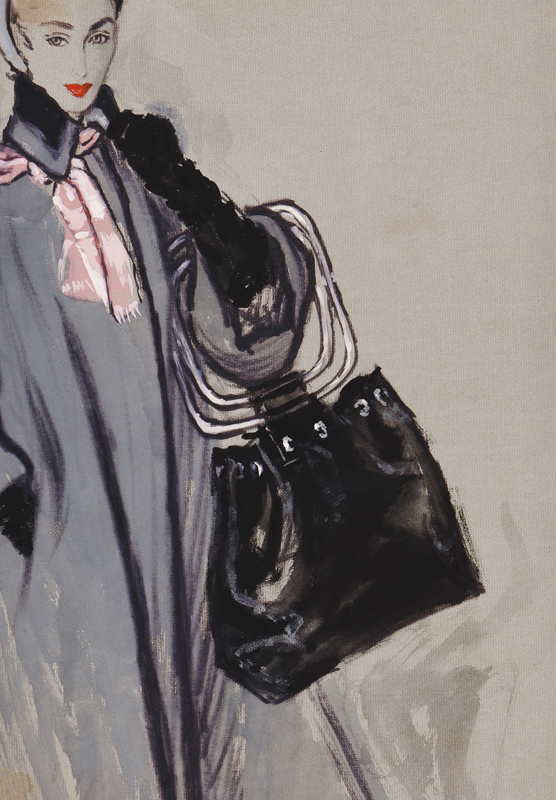 STONEHOUSE Brian M.B.E. (1918-1998) The Handbag. Watercolour and gouache with fibre-tip pen on grey paper. Shaped for layout. For an American fashion magazine, probably Vogue, circa 1955. Provenance: The artist’s estate. Stamped ‘Stonehouse Estate / A and H’ verso. 22.5x14.5 inches (irregular). Framed size: 30.5x21.5 inches.
 ●
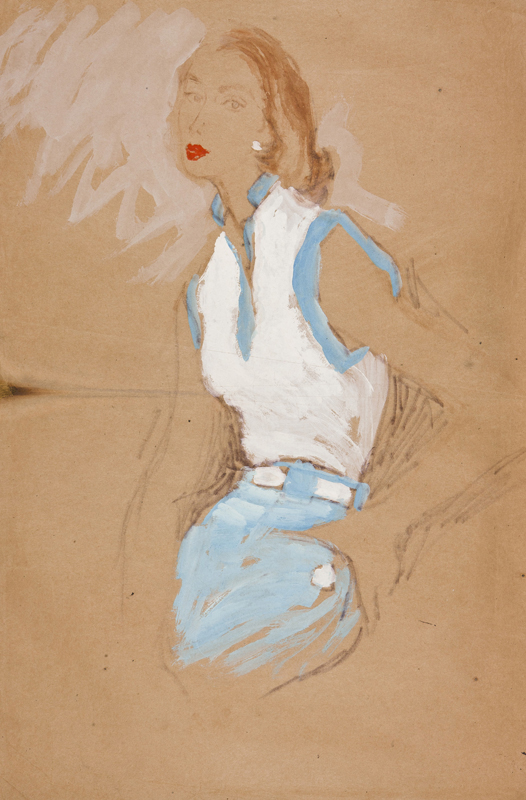 The Blue and White Dress. Gouache with fibre-tip pen on tan paper. For an American fashion magazine, probably Vogue, circa 1955. Provenance: The artist’s estate. Stamped ‘Stonehouse Estate / A and H’ verso. 27x18 inches. Framed: 34.5x25 inches.
 ●
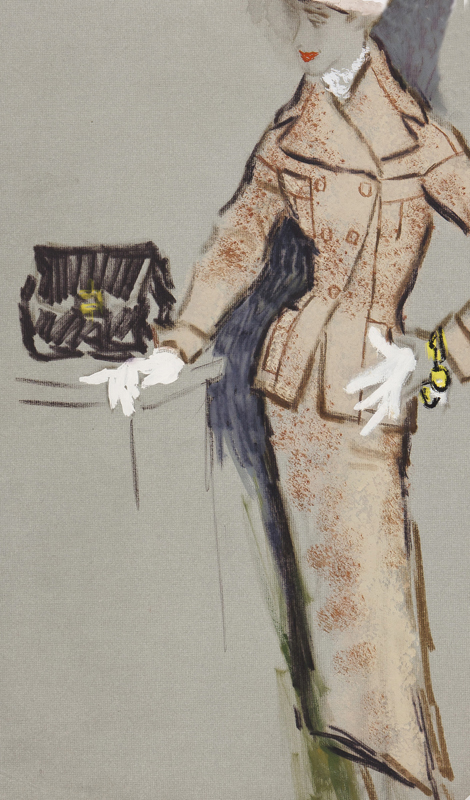 STONEHOUSE Brian M.B.E. (1918-1998) The Walking Suit. Gouache and ink with fibre-tip pen on grey paper. Shaped for layout. For an American fashion magazine, probably Vogue, circa 1955. Provenance: The artist’s estate. Stamped ‘Stonehouse Estate / A and H’ verso. 23.5x14.75 inches (irregular). Framed: 32x22 inches.
 ●
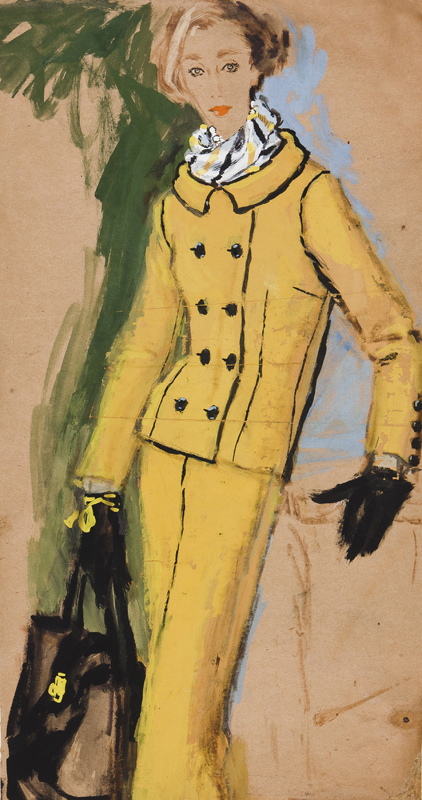 STONEHOUSE Brian M.B.E. (1918-1998) The Yellow Suit Ink, watercolour and gouache on tan paper. For an American fashion magazine, probably Vogue, circa 1955. Provenance: The artist’s estate. Stamped ‘Stonehouse Estate / A and H’ verso. 25.5x13 inches (irregular). Framed: 33.5x20.5 inches.
 ●
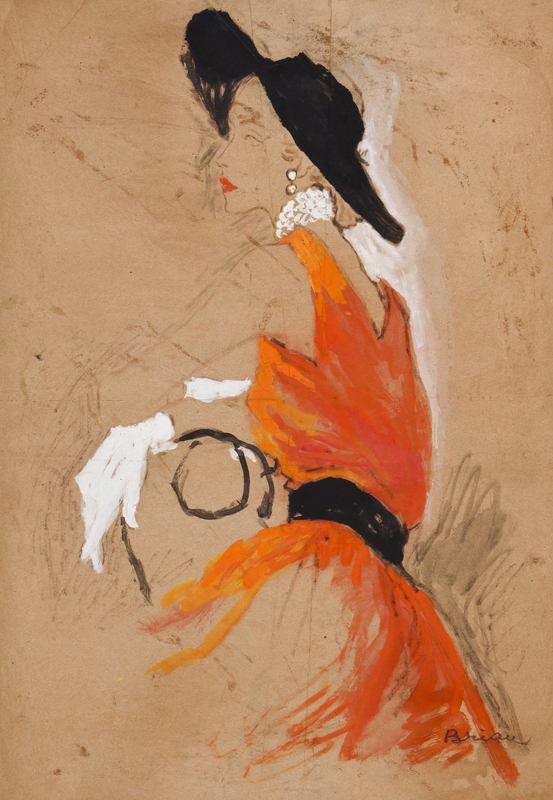 STONEHOUSE Brian M.B.E. (1918-1998) The Orange Dress. Gouache and ink with fibre-tip pen on tan paper. Signed. For Vogue, circa 1955. Provenance: The artist’s estate. Stamped ‘Stonehouse Estate / A and H’ verso. 27x18 inches. Framed: 34.25x25 inches.
 ●
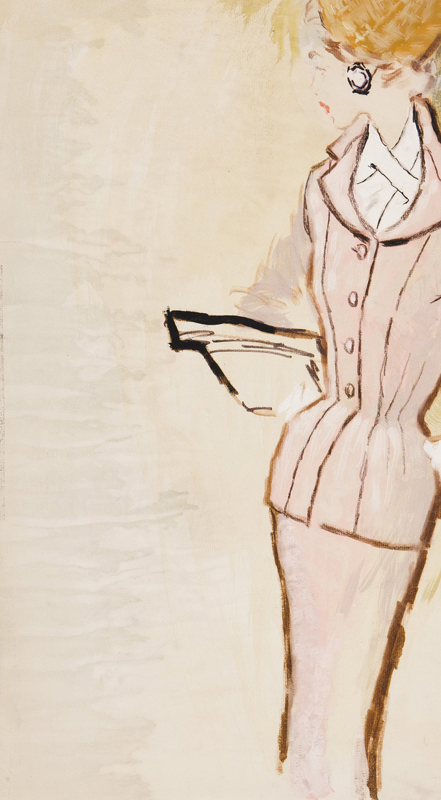 STONEHOUSE Brian M.B.E. (1918-1998) The Pink Suit. Watercolour and gouache with fibre-tip pen. Shaped for layout. For an American fashion magazine, probably Vogue, circa 1955. Ill: p.56, Brian Stonehouse, Frederic Sharf with Michelle Finamore, Publ. 2014. Provenance: The artist’s estate. Stamped ‘Stonehouse Estate / A and H’ verso. 22x15 inches (irregular). Framed size: 29.5x22.5 inches.
 ●
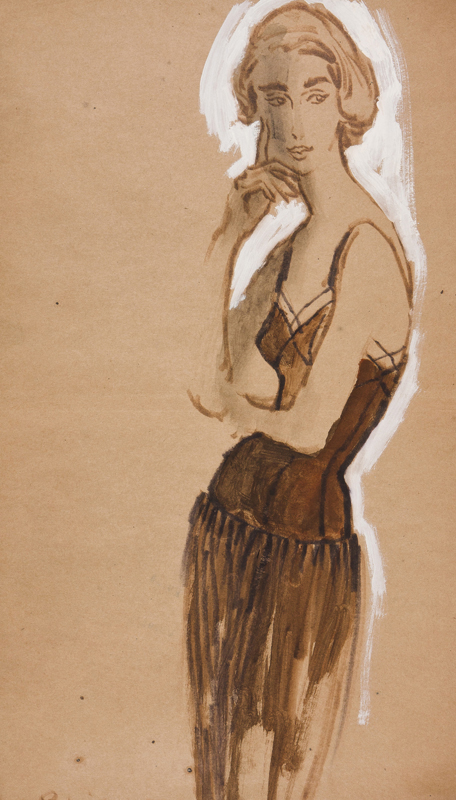 STONEHOUSE Brian M.B.E. (1918-1998) Lingerie, No.2. Gouache and fibre-tip pen on tan paper. Signed. Ill: Vogue, October 1st, 1952, ‘Rediscovery in lingerie – the range of creamy shades’. Ill: p.40, ‘Brian Stonehouse’ Frederic Sharf with Michelle Finamore, Publ.2014. Provenance: The artist’s estate. Stamped ‘Stonehouse Estate / A and H’ verso. 26x13.75 inches. Framed: 33.5x20.5 inches.
 ●
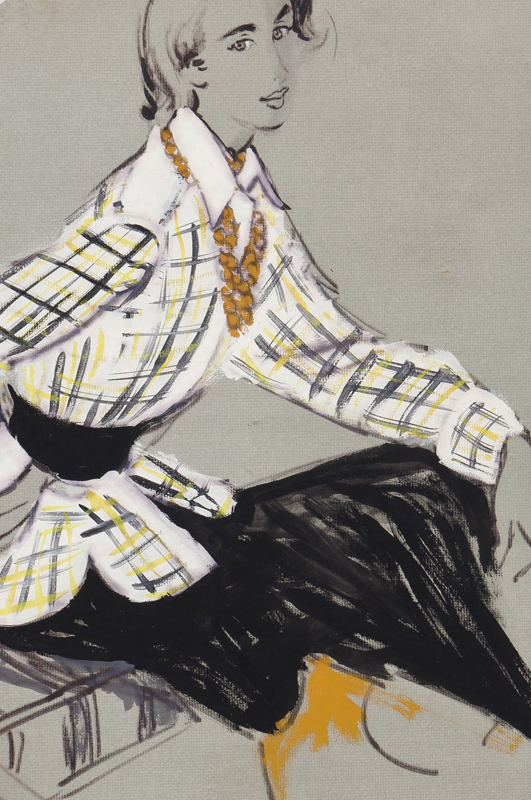 STONEHOUSE Brian M.B.E. (1918-1998) The Checked Suit, No.1. Gouache, ink and fibre-tip pen. For an American fashion magazine, probably Vogue. Provenance: The artist’s estate. Stamped ‘Stonehouse Estate / A and H’ verso.
 ●
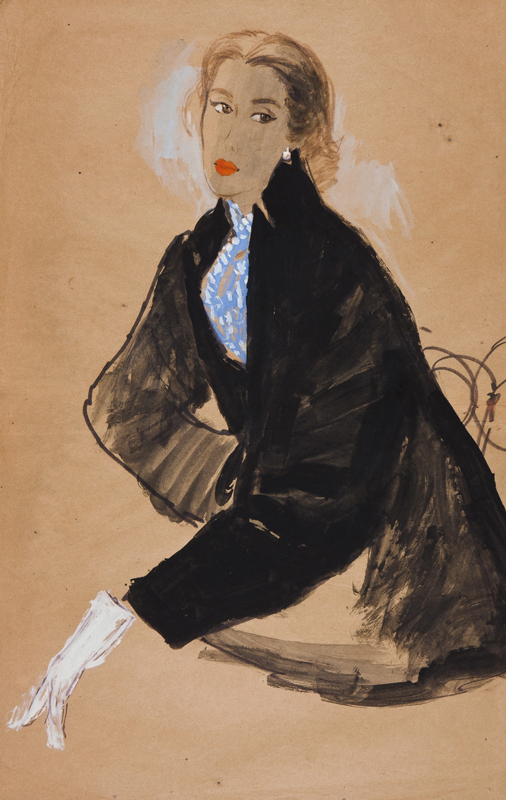 STONEHOUSE Brian M.B.E. (1918-1998) The Black Jacket. Ink and gouache with fibre-tip pen on tan paper. For an American fashion magazine, probably Vogue, circa 1955. Provenance: The artist’s estate. Stamped ‘Stonehouse Estate / A and H’ verso. 28x18.5 inches. 35x22.25 inches.
 ●
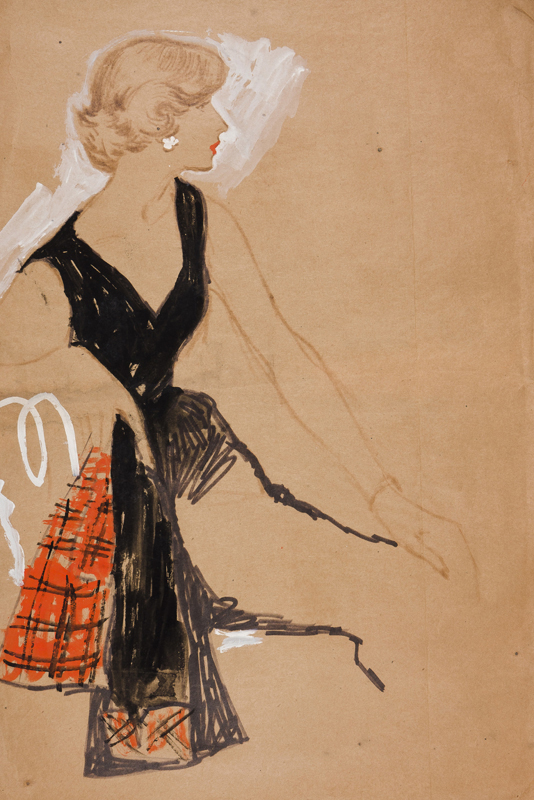 The Tartan Sash. Gouache and ink with fibre-tip pen on tan paper. For an American fashion magazine, probably Vogue, circa 1955. Provenance: The artist’s estate. Stamped ‘Stonehouse Estate / A and H’ verso. 28.5x19 inches. Framed: 36x25.5 inches.
 ●
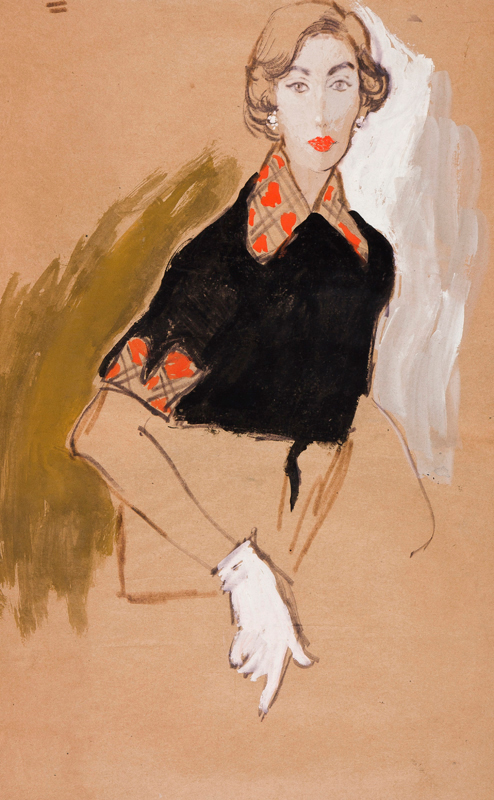 STONEHOUSE Brian M.B.E. (1918-1998) The Tartan Collar. Gouache and ink with fibre-tip pen on tan paper. For an American fashion magazine, probably Vogue, circa 1955. Provenance: The artist’s estate. Stamped ‘Stonehouse Estate / A and H’ verso. 24x16 inches. Framed: 31.5x23 inches.
 ●
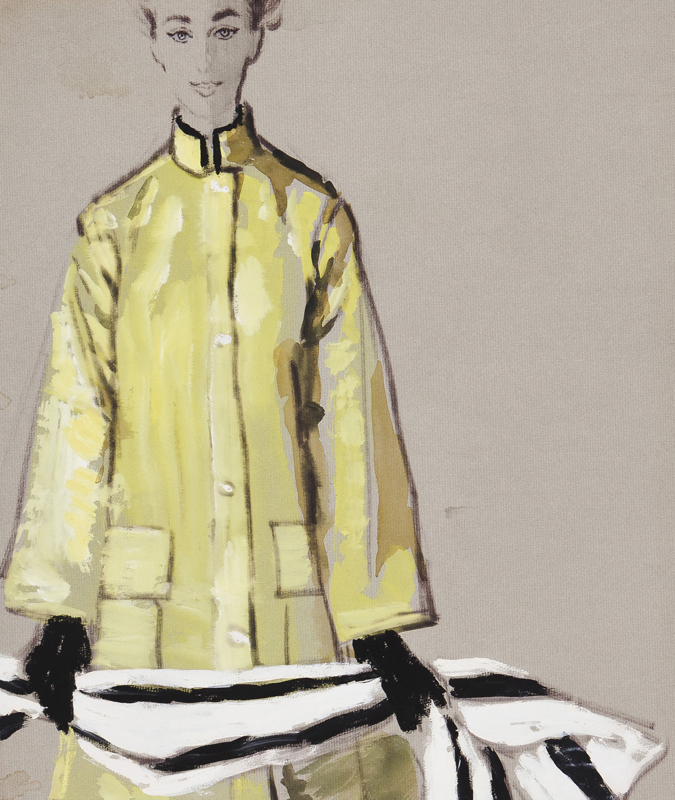 STONEHOUSE Brian M.B.E. (1918-1998) The Yellow Coat. Watercolour and gouache with fibre-tip pen. Shaped for layout. For an American fashion magazine, probably Vogue, circa 1955. Provenance: The artist’s estate. Stamped ‘Stonehouse Estate / A and H’ verso. 18x14.75 inches. (irregular). Framed size: 25.5x22 inches.
 ●
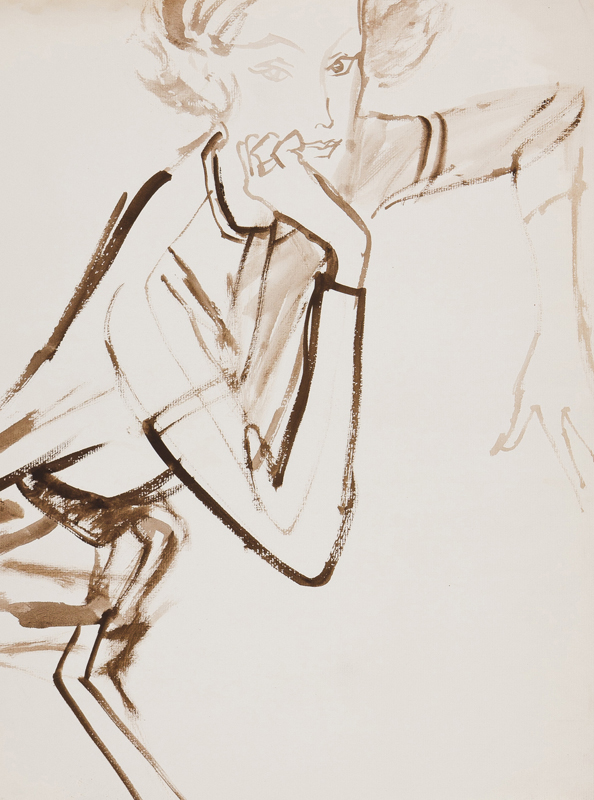 STONEHOUSE Brian M.B.E. (1918-1998) Hand on Chin. Brush and ink. Shaped for layout. For an American fashion magazine, probably Vogue, circa 1955. Provenance: The artist’s estate. Stamped ‘Stonehouse Estate / A and H’ verso. 19.25x14.75 inches (irregular). Framed: 27x22.25 inches.
 ●
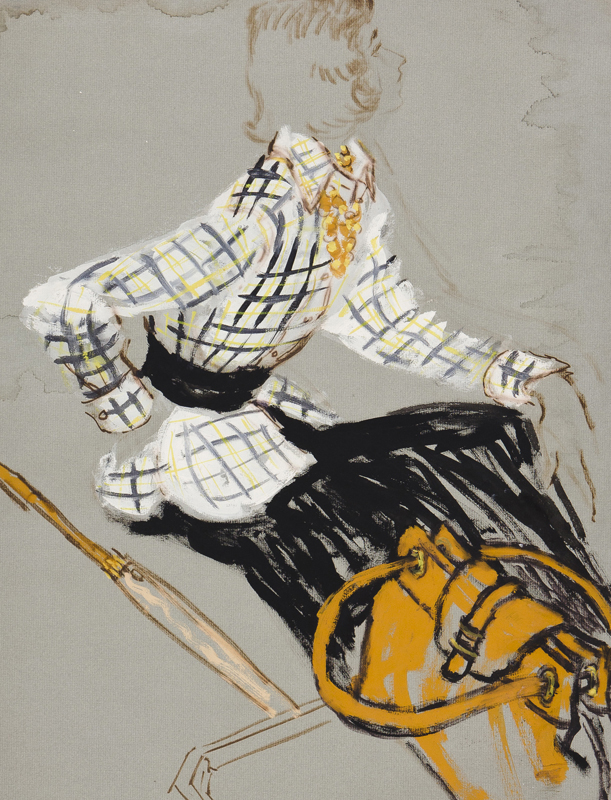 STONEHOUSE Brian M.B.E. (1918-1998) The Checked Suit, No.2. Gouache, ink and fibre-tip pen on grey paper. For an American fashion magazine, probably Vogue, circa 1955. Provenance: The artist’s estate. Stamped ‘Stonehouse Estate / A and H’ verso. 19.5x15 inches. Framed: 27x22 inches.
 ●
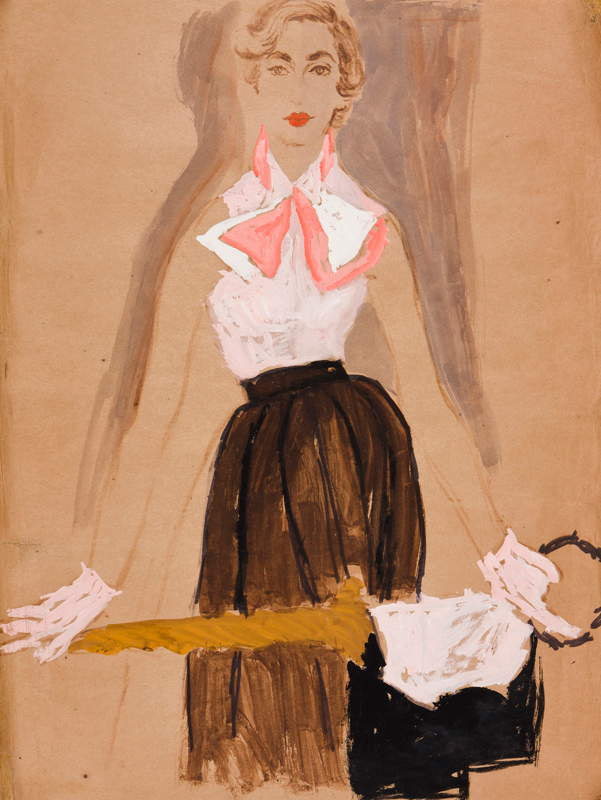 STONEHOUSE Brian M.B.E. (1918-1998) The Pink Top. Gouache and ink with fibre-tip pen on tan paper. For an American fashion magazine, probably Vogue, circa 1955. Provenance: The artist’s estate. Stamped ‘Stonehouse Estate / A and H’ verso. 29.5x22.5 inches. Framed: 37x29.25 inches.
 ●
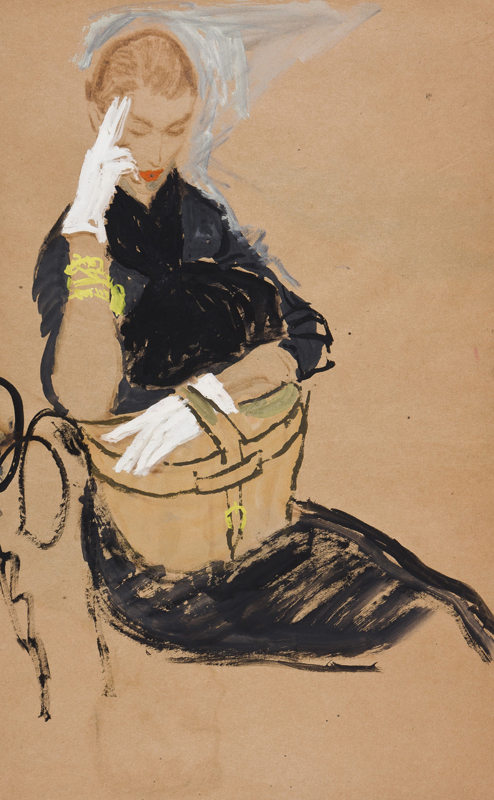 STONEHOUSE Brian M.B.E. (1918-1998) The White Gloves. Watercolour and gouache with fibre-tip pen on tan paper. For an American fashion magazine, probably Vogue, circa 1955. Provenance: The artist’s estate. Stamped ‘Stonehouse Estate / A and H ‘ verso. 24x16 inches. Framed size: 31.5x23 inches.
 ●
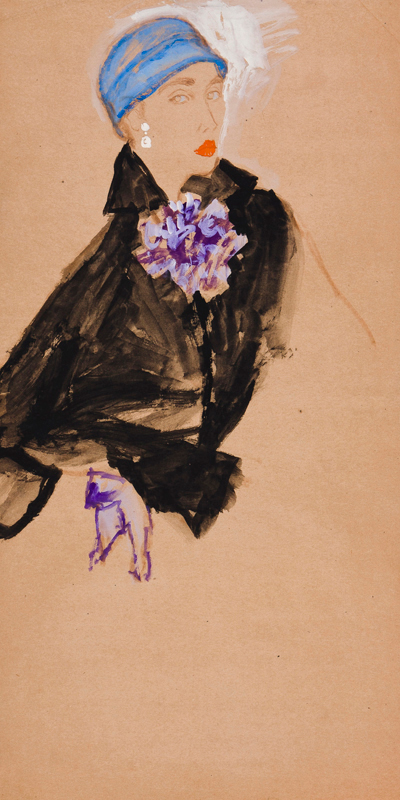 STONEHOUSE Brian M.B.E. (1918-1998) The Blue Hat. Ink and gouache with fibre-tip pen on tan paper. For an American fashion magazine, probably Vogue, circa 1955. Provenance: The artist’s estate. Stamped ‘Stonehouse Estate / A and H’ verso. 21.5x13 inches.
 ●
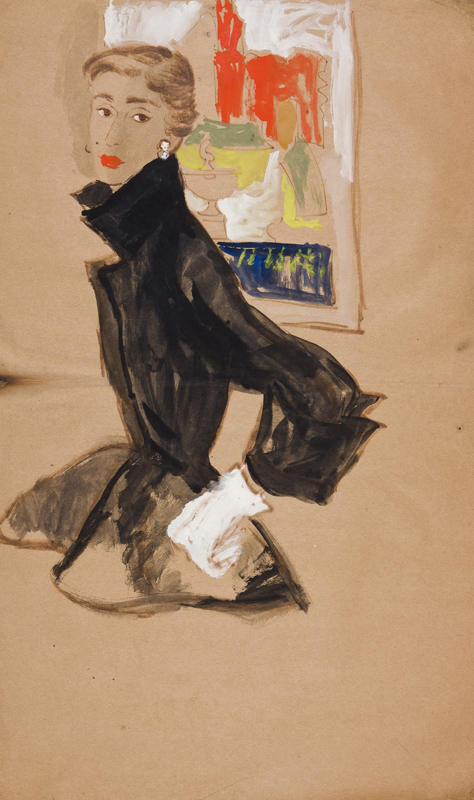 STONEHOUSE Brian M.B.E. (1918-1998) The Fitted Jacket. Gouache, ink and fibre-tip pen on tan paper. For an American fashion magazine, probably Vogue, circa 1955. Provenance: The artist’s estate. Stamped ‘Stonehouse Estate / A and H’ verso. 23x15 inches. Framed: 31x21.75 inches.
 ●
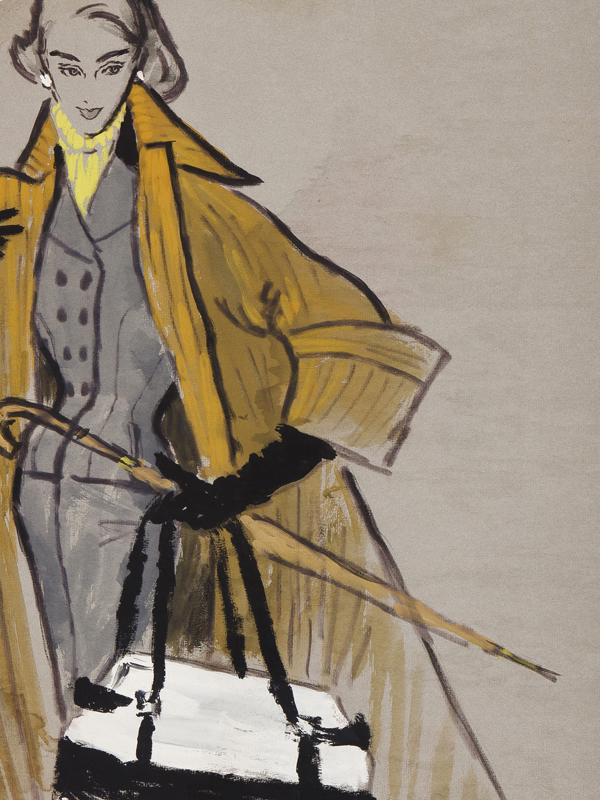 STONEHOUSE Brian M.B.E. (1918-1998) The Complete Outfit. Ink and gouache on grey paper. Shaped for layout. For Vogue, circa 1955. Signed and dated, 1952. Provenance: The artist’s estate. Stamped ‘Stonehouse Estate / A and H’ verso. 24x14.5 inches (irregular). Framed: 31.5x21.5 inches.
 ●
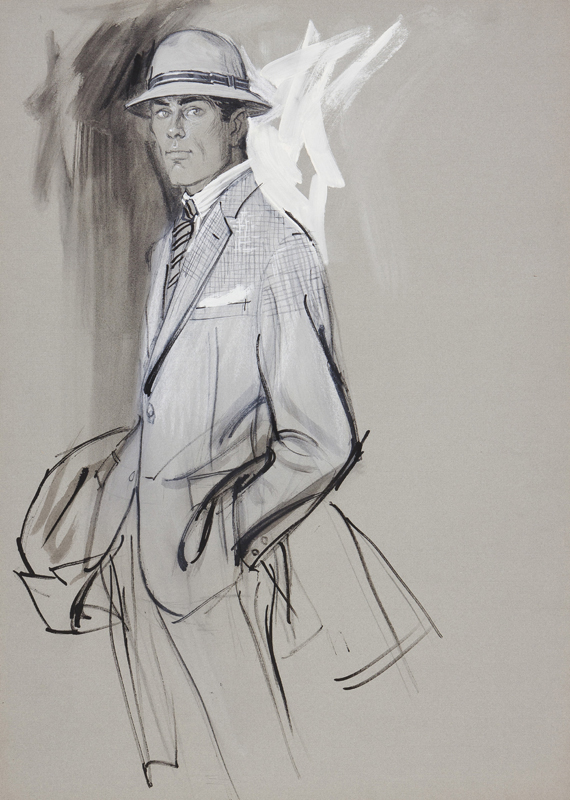 STONEHOUSE Brian M.B.E. (1918-1998) A Well Dresssed Man. Charcoal, ink and gouache on blue/grey card. For an American fashion magazine, probably Vogue, circa 1960. Provenance: The artist’s estate. Stamped ‘Stonehouse Estate / A and H’ verso. 26x15 inches. Framed: 33.5x22 inches.
 ●
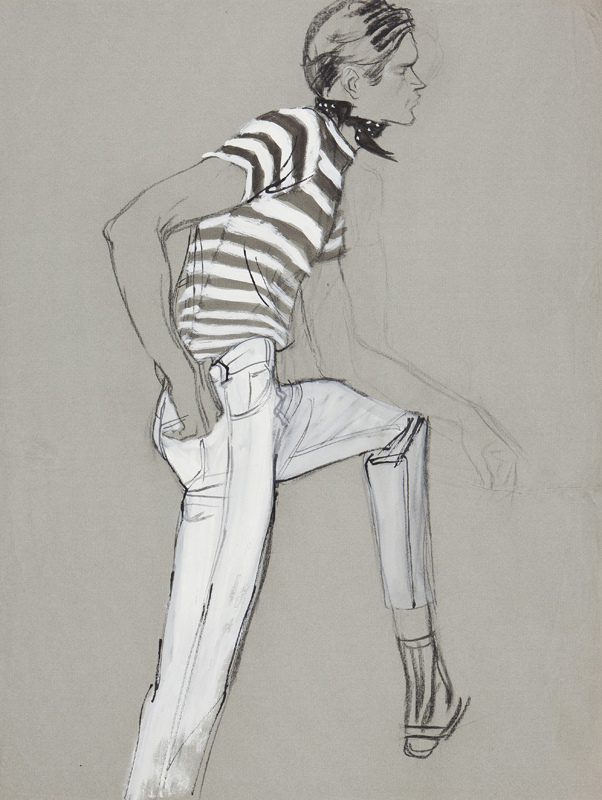 STONEHOUSE Brian M.B.E. (1918-1998) The Striped Tee-Shirt. Charcoal, ink and gouache on blue/grey card. For an American fashion magazine, probably Vogue, circa 1960. Ill: p.57, Brian Stonehouse, Frederic Sharf with Michelle Finamore, Publ. 2014. Provenance: The artist’s estate. Stamped ‘Stonehouse Estate / A and H’ verso. 24x15.75 inches. Framed: 31.5x22.5 inches.
 ●
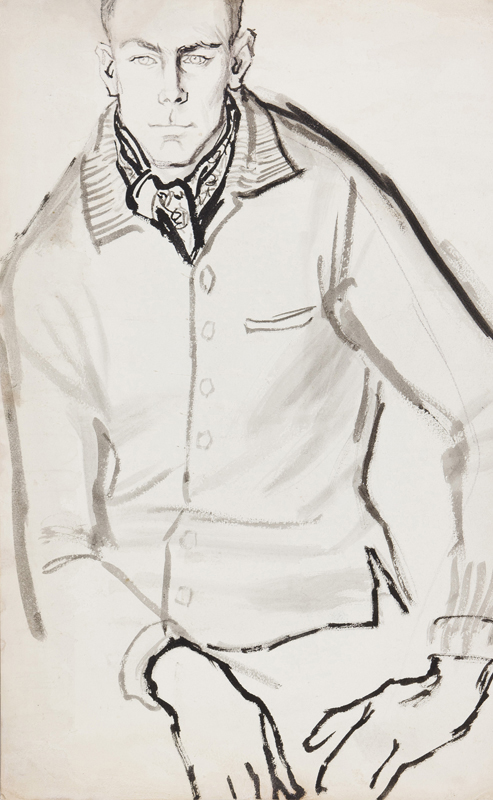 STONEHOUSE Brian M.B.E. (1918-1998) Casual Wear. Brush and ink on Winton Watercolour Board. For an American fashion magazine, probably Vogue, circa 1955. Provenance: The artist’s estate. Stamped ‘Stonehouse Estate / A and H’ verso. 26x16 inches. Framed: 33.75x23 inches.
 ●
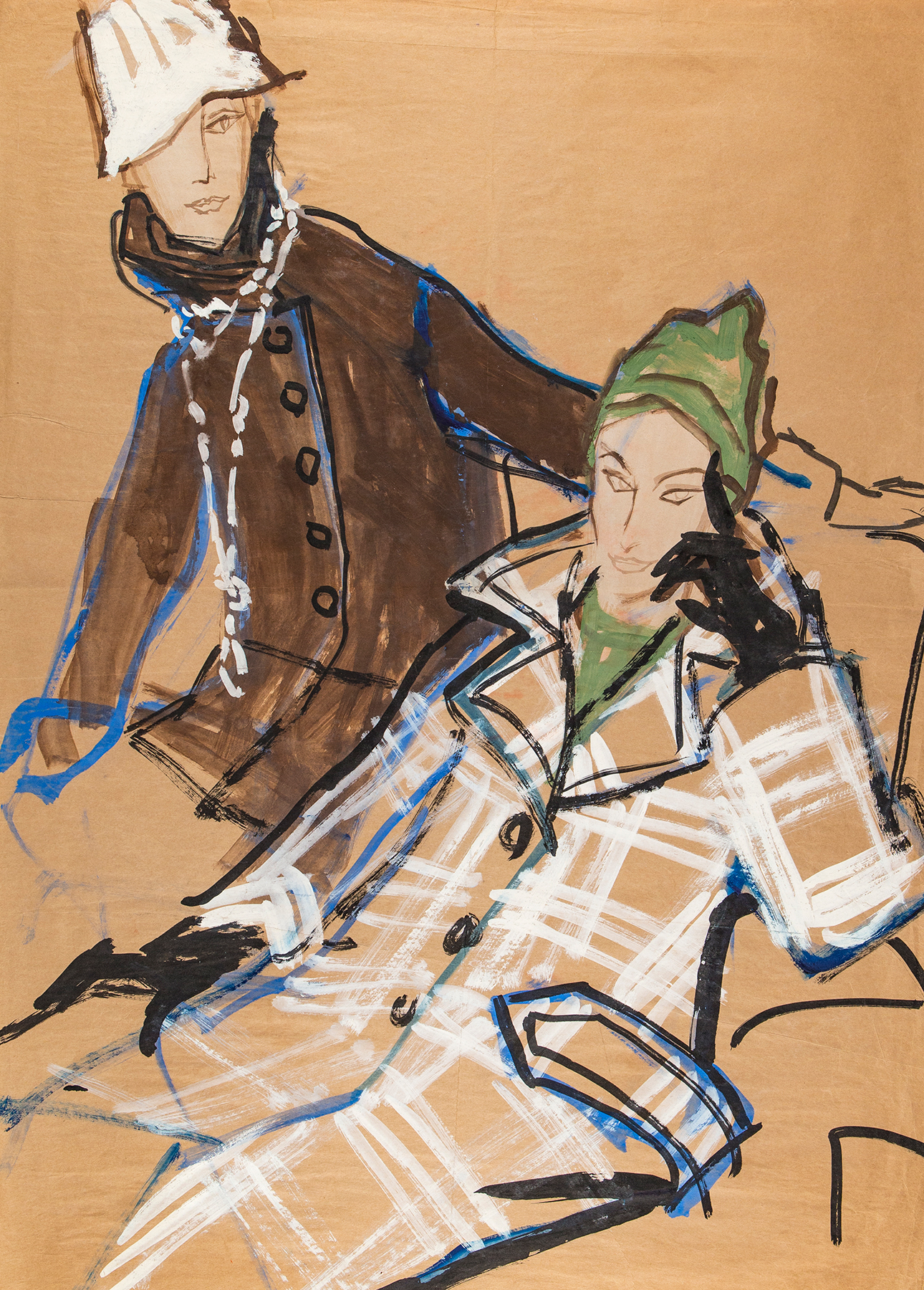 STONEHOUSE Brian M.B.E. (1918-1998) Winter Overcoats. Ink and gouache on tan paper. Circa 1960. For an American fashion magazine, probably Vogue. Provenance: The artist’s estate. Stamped ‘Stonehouse Estate / A and H’ verso. 29.75x21 inches.
 ●
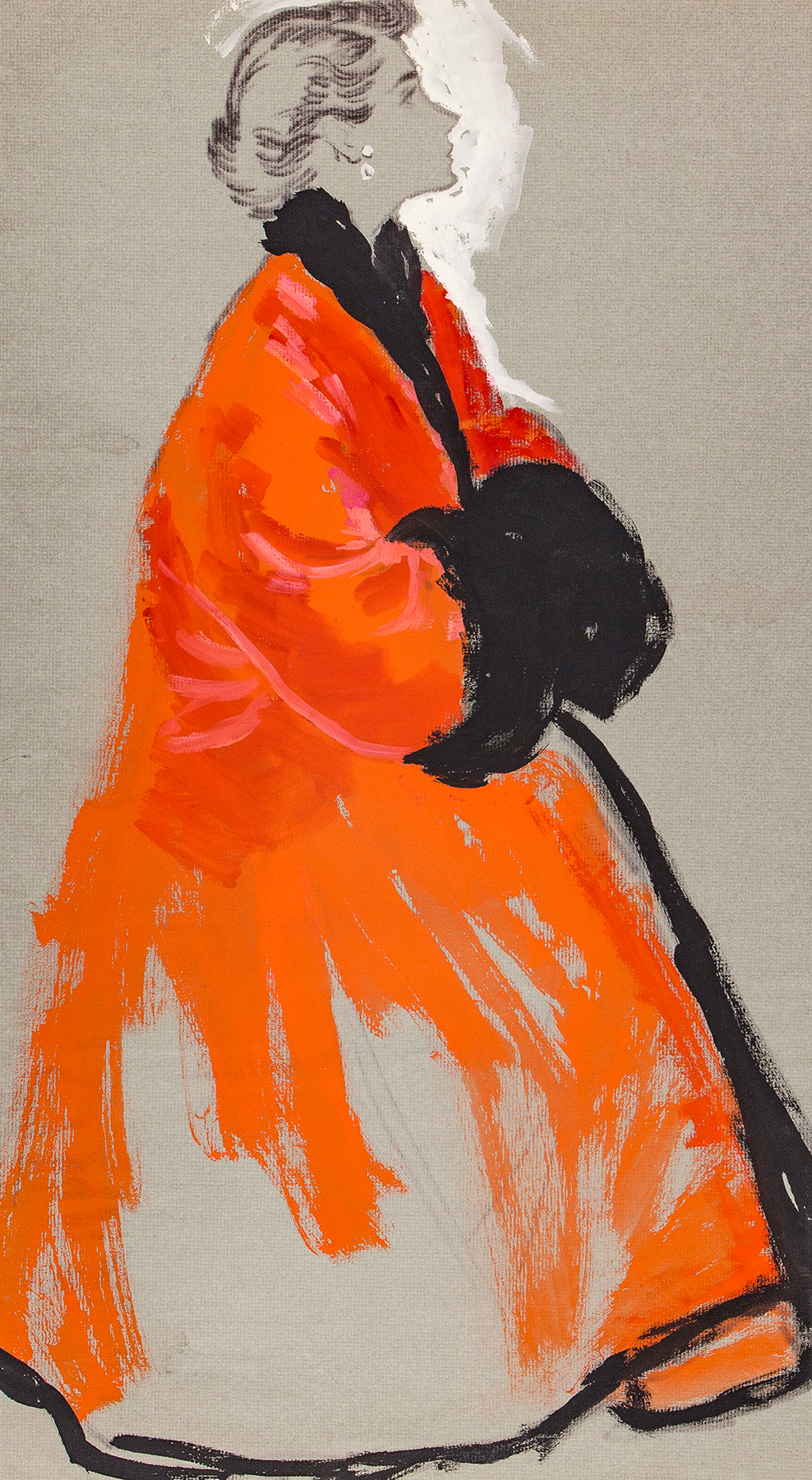 STONEHOUSE Brian M.B.E. (1918-1998) 'A Black and Red Priming Coat of black wool alpaca reversible to red velveteen … by Aintree with Merrimack velveteen, about $75 plus tax’. Gouache, ink and fibre-tip pen on grey paper. Stamped verso ‘V9719’. This coat illustrated ‘Young Colour Plans – Using a Priming Coat’, p.163, 15.8.1952 Issue, American Vogue. Stonehouse bought this cloak for his sister Margot and it remains in the artist’s family. Provenance: The artist’s estate. Stamped ‘Stonehouse Estate / A and H’ verso. 23x12.75 inches (irregular).
 ●
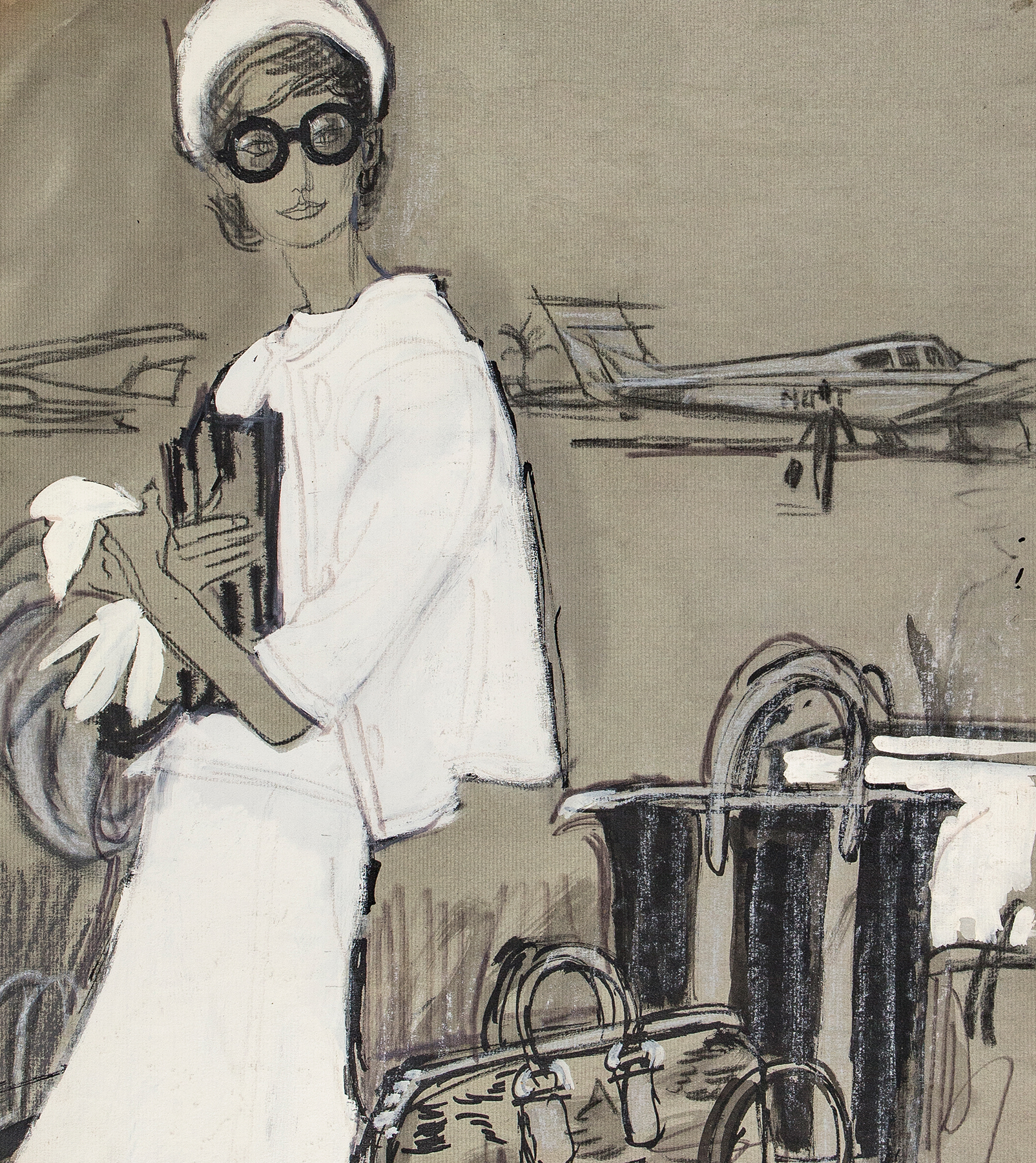 STONEHOUSE Brian M.B.E. (1918-1998) Flying In to Palm Beach. Gouache, charcoal and fibre-tip pen on grey paper. Illustrated ‘Shop Hound … in Palm Beach’, p’s 88-91, 1.2.1962 Issue, American Vogue. Provenance: The artist’s estate. Stamped ‘Stonehouse Estate / A and H’ verso. 18.75x16 inches.
 ●
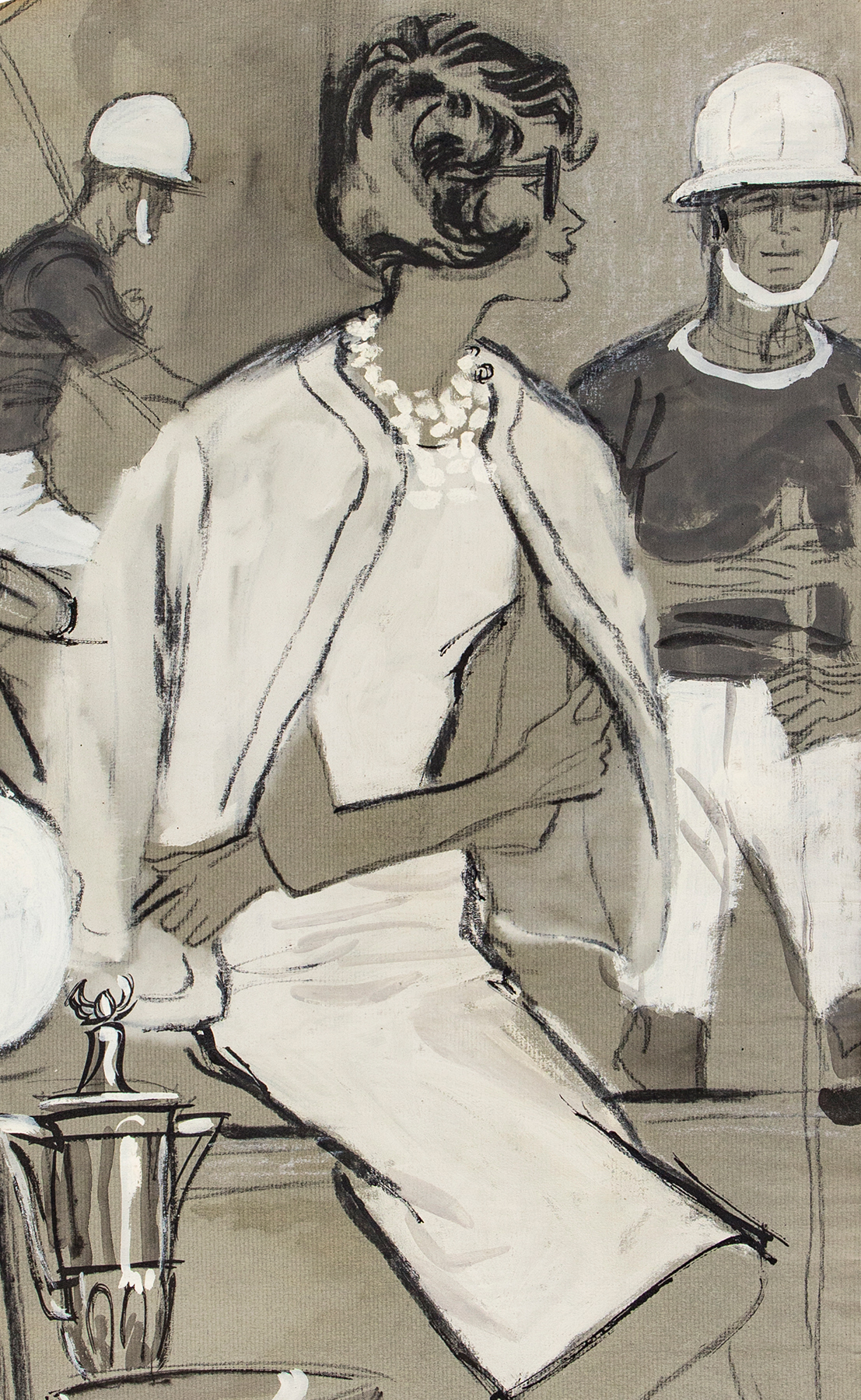 STONEHOUSE Brian M.B.E. (1918-1998) Dressed for the Polo Ground, Palm Beach. Gouache, chalk and ink on grey paper. Illustrated ‘Shop Hound … in Palm Beach’, p’s 88-91, 1.2.1962 Issue, American Vogue. Provenance: The artist’s estate. Stamped ‘Stonehouse Estate / A and H’ verso. 22x17.25 inches (irregular). Click for framed photo

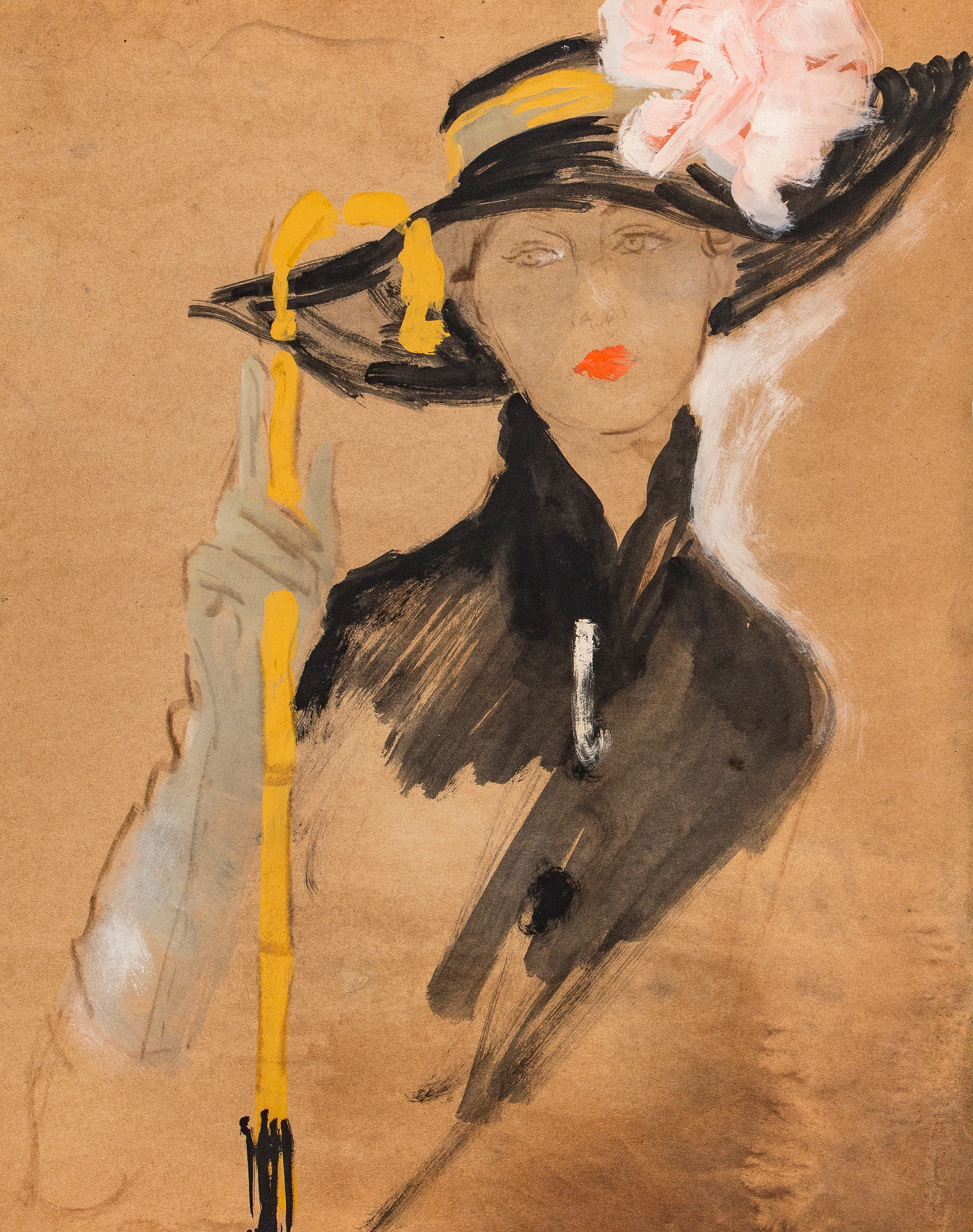 STONEHOUSE Brian M.B.E. (1918-1998) A Picture Hat, and Malacca Cane. Gouache and fibre tip-pen on tan paper. Circa 1955. For an American fashion magazine, probably Vogue. Provenance: The artist’s estate. Stamped ‘Stonehouse Estate / A and H’ verso. 17.75x13.75 inches.
 ●
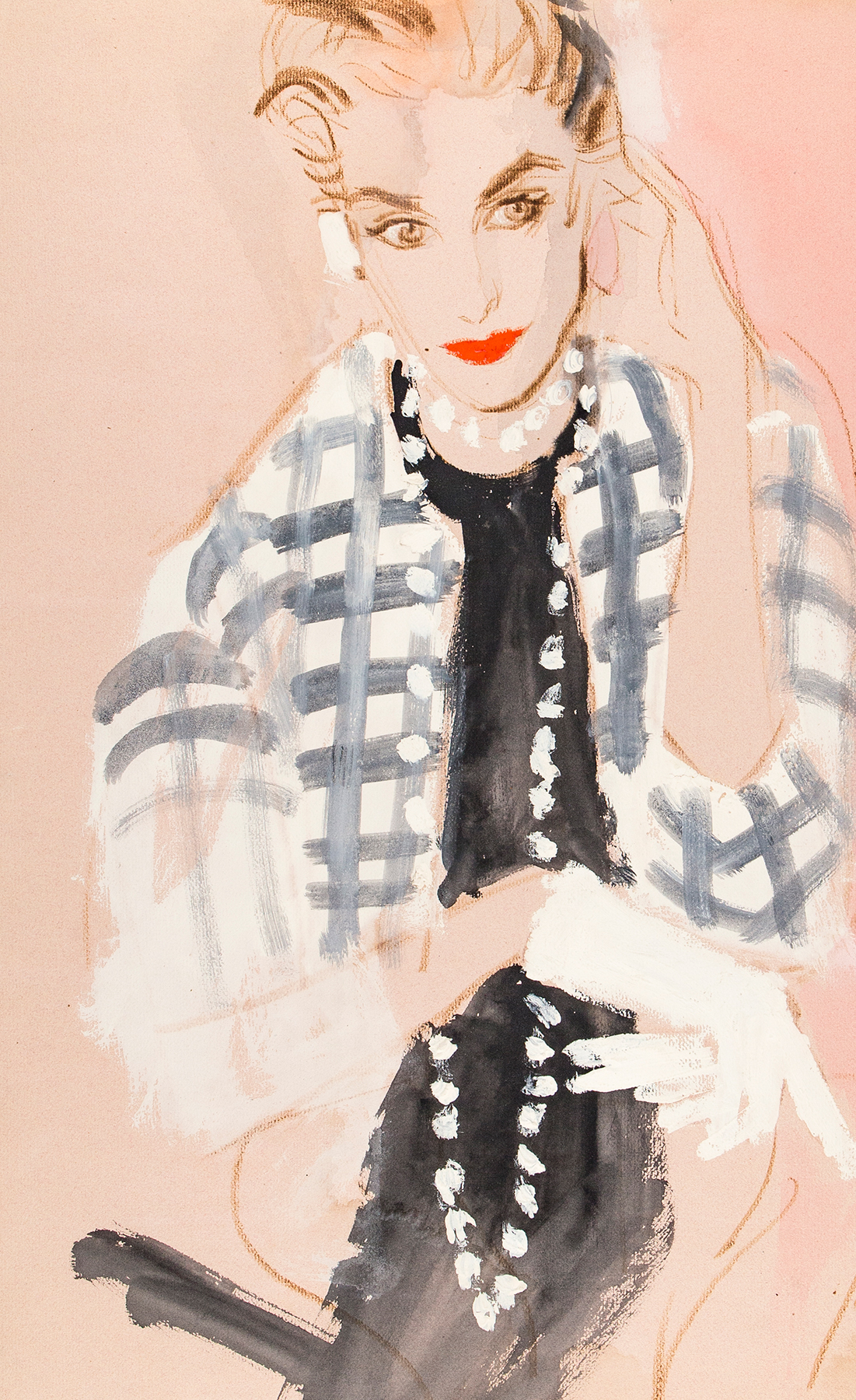 STONEHOUSE Brian M.B.E. (1918-1998) Black and White Checked Jacket. Gouache, ink and fibre-tip pen on pink paper. Circa 1958. For an American fashion magazine, probably Vogue. Provenance: The artist’s estate. Stamped ‘Stonehouse Estate / A and H’ verso. 23x14 inches (irregular).
 ●
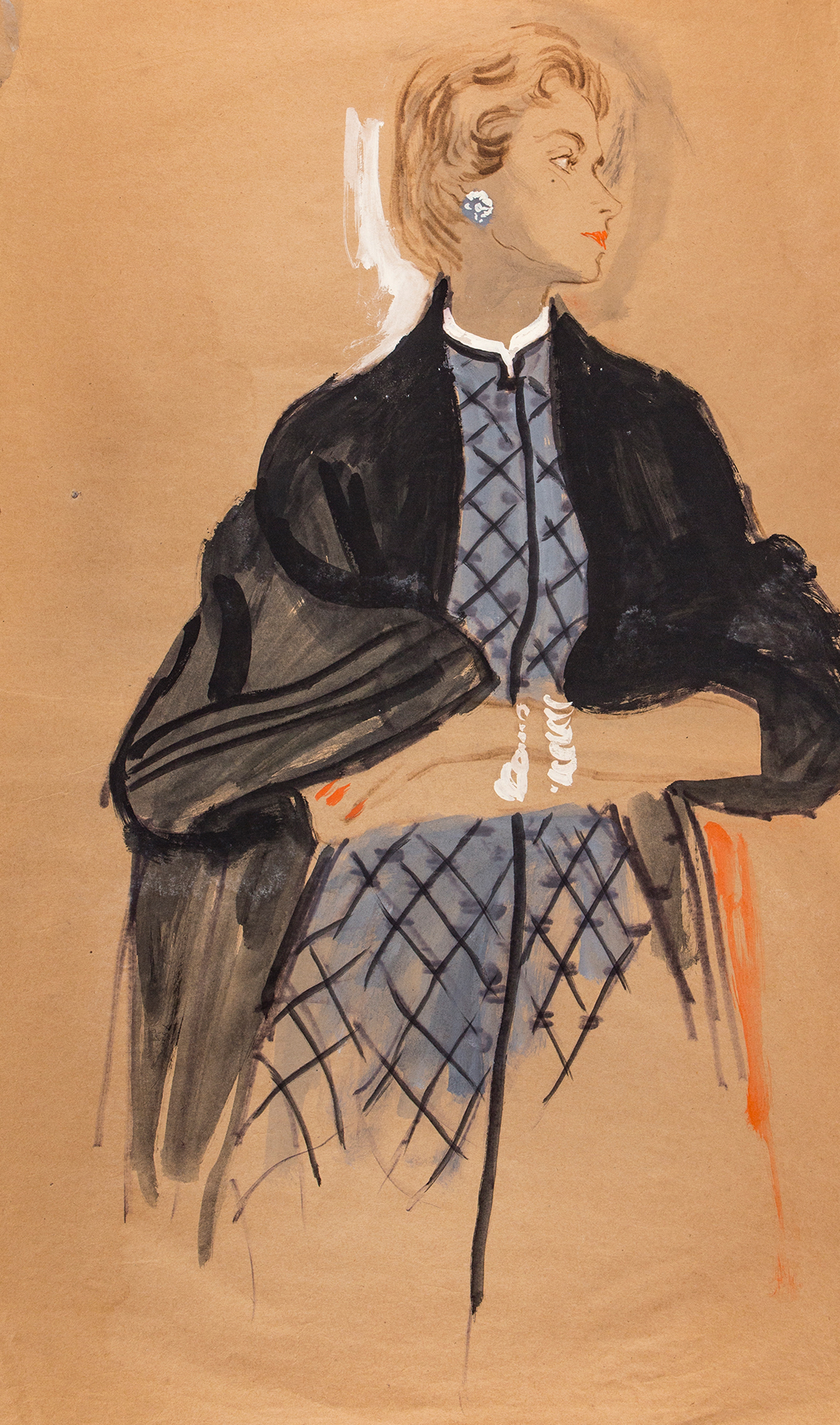 STONEHOUSE Brian M.B.E. (1918-1998) A Dark Evening Coat over a Blue and Black Dress. Gouache, ink, watercolour and fibre-tip pen on tan paper. Circa 1955. For an American fashion magazine, probably Vogue. Provenance: The artist’s estate. Stamped ‘Stonehouse Estate / A and H’ verso. 28x18 inches (irregular).
 ●
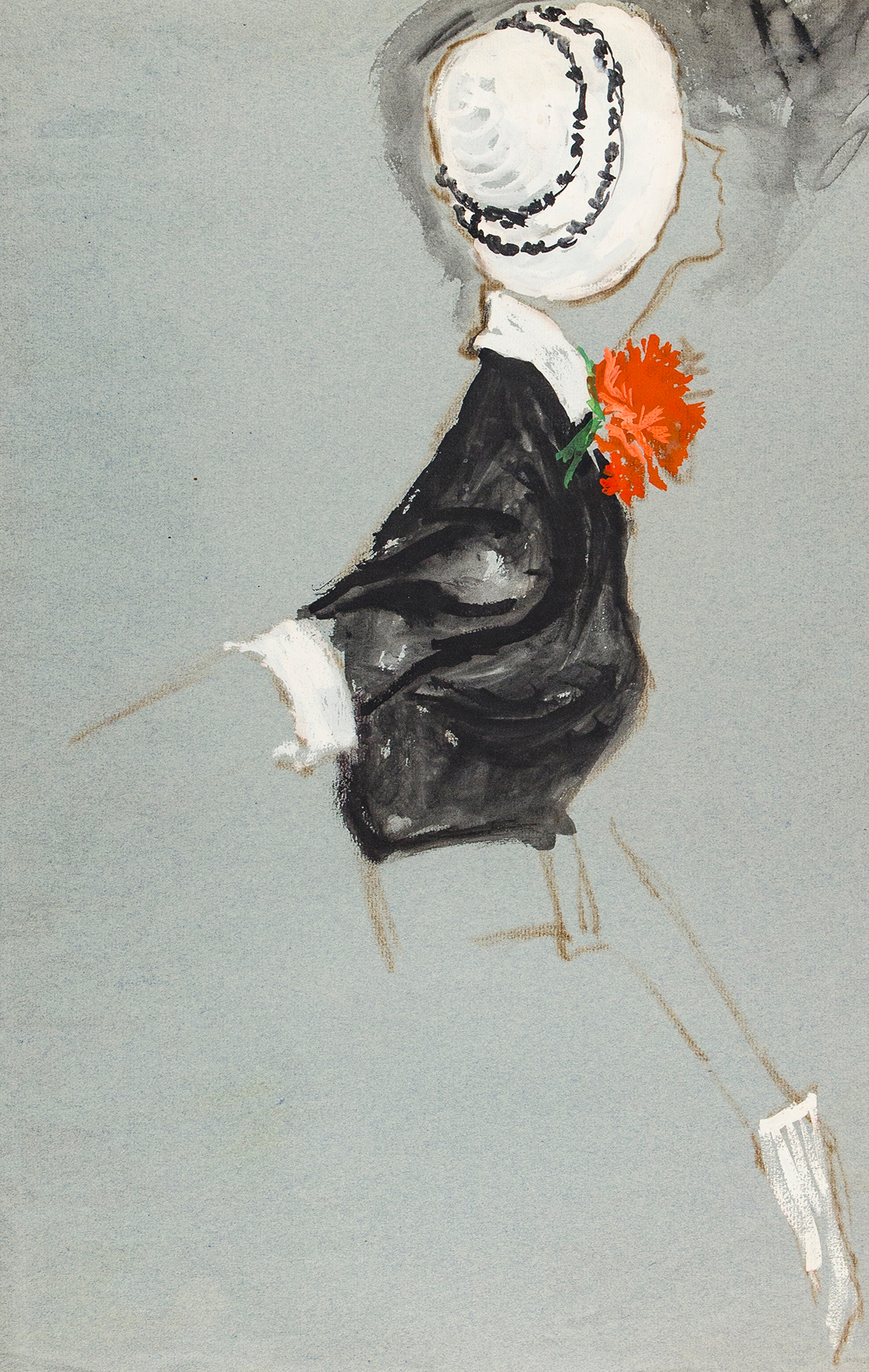 STONEHOUSE Brian M.B.E. (1918-1998) Black and White, with a Red Button Hole. Gouache, ink and fibre-tip pen on grey paper. Circa 1955. For an American fashion magazine, probably Vogue. Provenance: The artist’s estate. Stamped ‘Stonehouse Estate / A and H’ verso 21.5x13.75 inches.
 ●
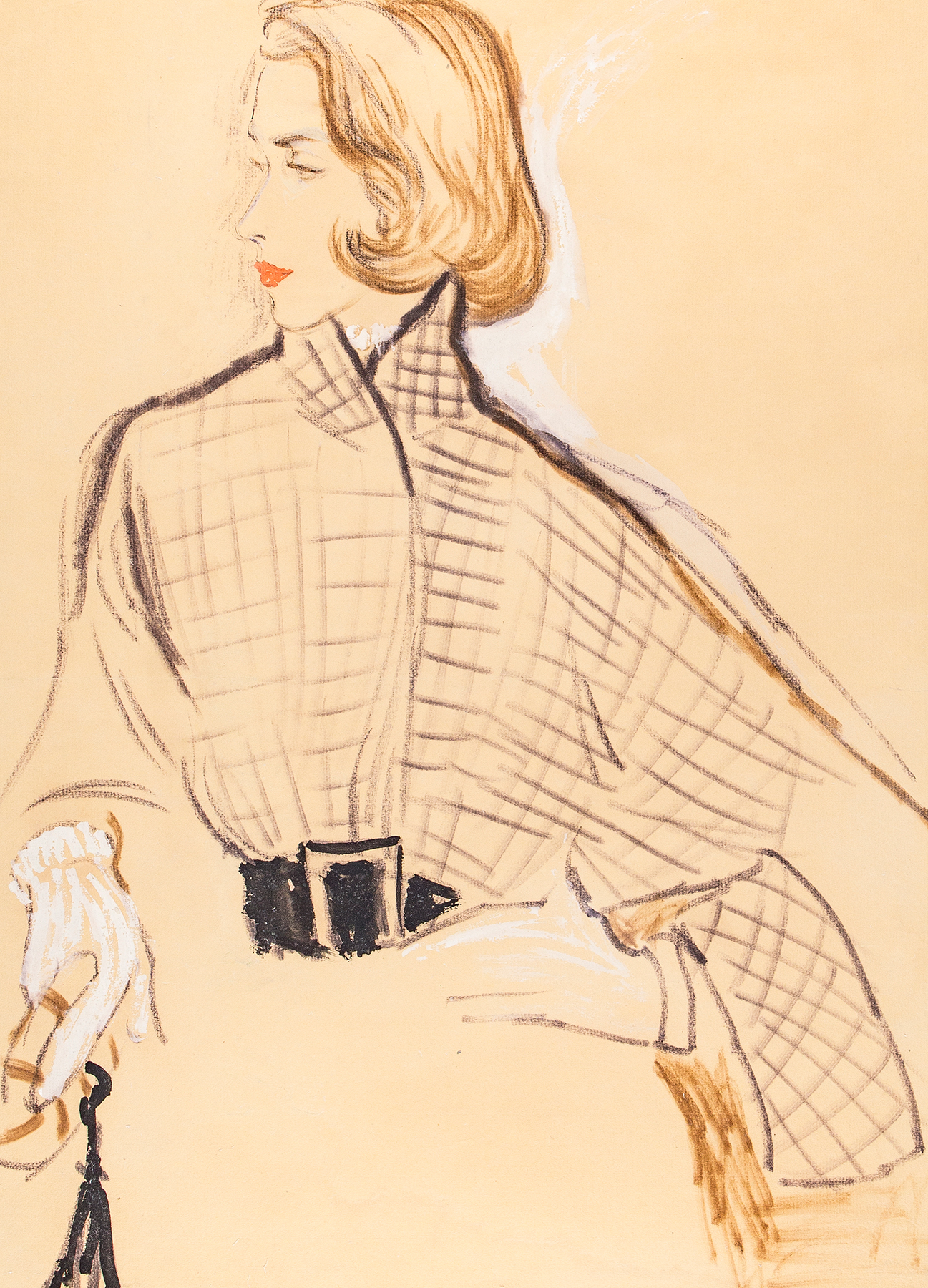 STONEHOUSE Brian M.B.E. (1918-1998) A Checked and Belted Jacket. Gouache, watercolour and fibre-tip pen on cream paper. Circa 1955. For an American fashion magazine, probably Vogue. Provenance: The artist’s estate. Stamped ‘Stonehouse Estate / A and H’ verso. 22.25x16.25 inches.
 ●
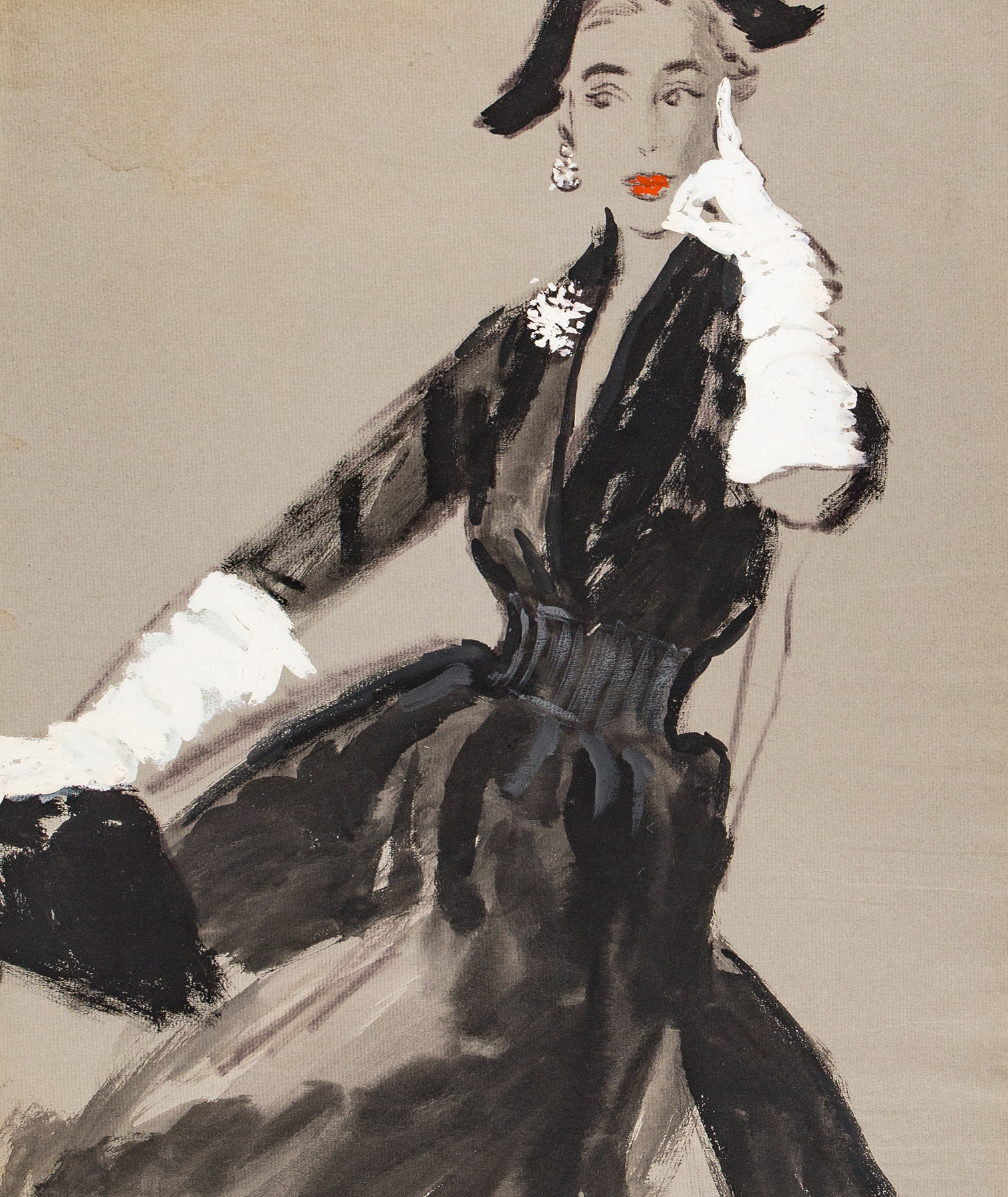 STONEHOUSE Brian M.B.E. (1918-1998) ‘For Cocktails or the Theatre, black silk cut to a deep V at the neckline with below the elbow sleeves and its own waist-cincher. By Jr. Sophisticates. $50 from Bloomingdale’s and other stores’. Gouache and fibre-tip pen on grey paper. Ill: ‘Young Colour Plans: Use a Priming Coat’, p.162 15.8.1952 issue, American Vogue. Provenance: The artist’s estate. Stamped ‘Stonehouse Estate / A and H’ verso. 18x15 inches (irregular).
 ●
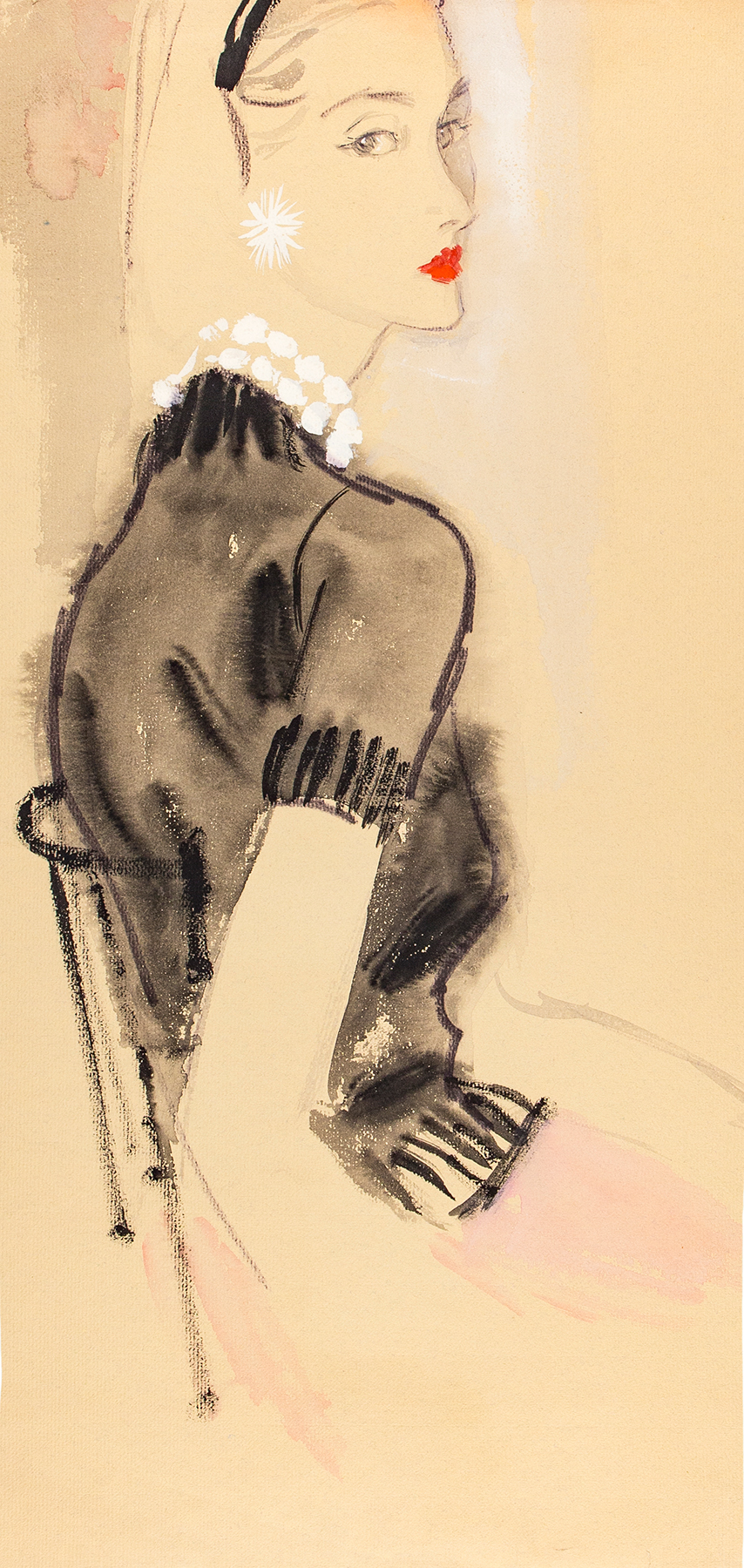 STONEHOUSE Brian M.B.E. (1918-1998) Black Jersey and Pearls. Gouache, watercolour, ink and fibre-tip pen on cream paper. Circa 1960. For an American fashion magazine, probably Vogue. Provenance: The artist’s estate. Stamped ‘Stonehouse Estate / A and H’ verso. 23.25x11 inches (irregular).
 ●
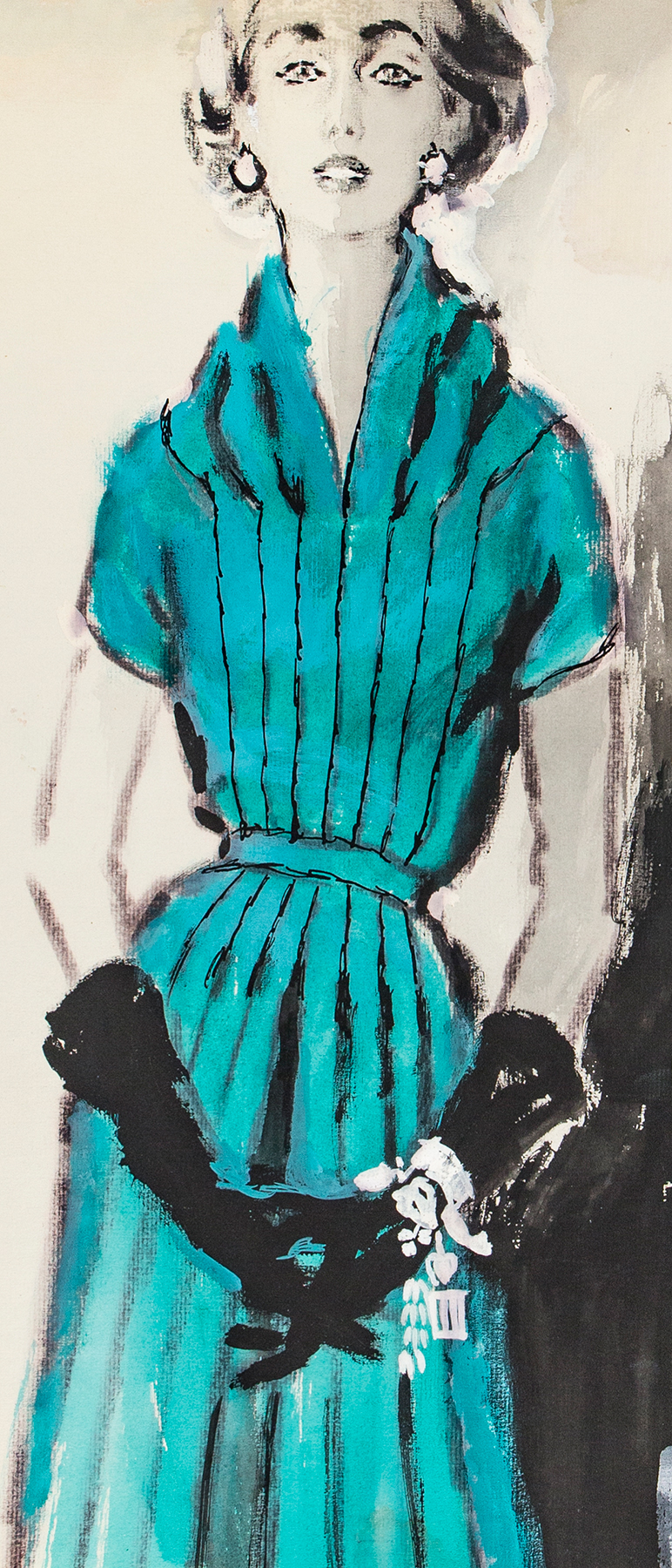 STONEHOUSE Brian M.B.E. (1918-1998) An Aquamarine, Pleated Dress and Black Gloves. Gouache, Ink and fibre-tip pen. Circa 1953. For an American fashion magazine, probably Vogue. Provenance: The artist’s estate. Stamped ‘Stonehouse Estate / A and H’ verso. 19.5x8.5 inches (irregular).
 ●
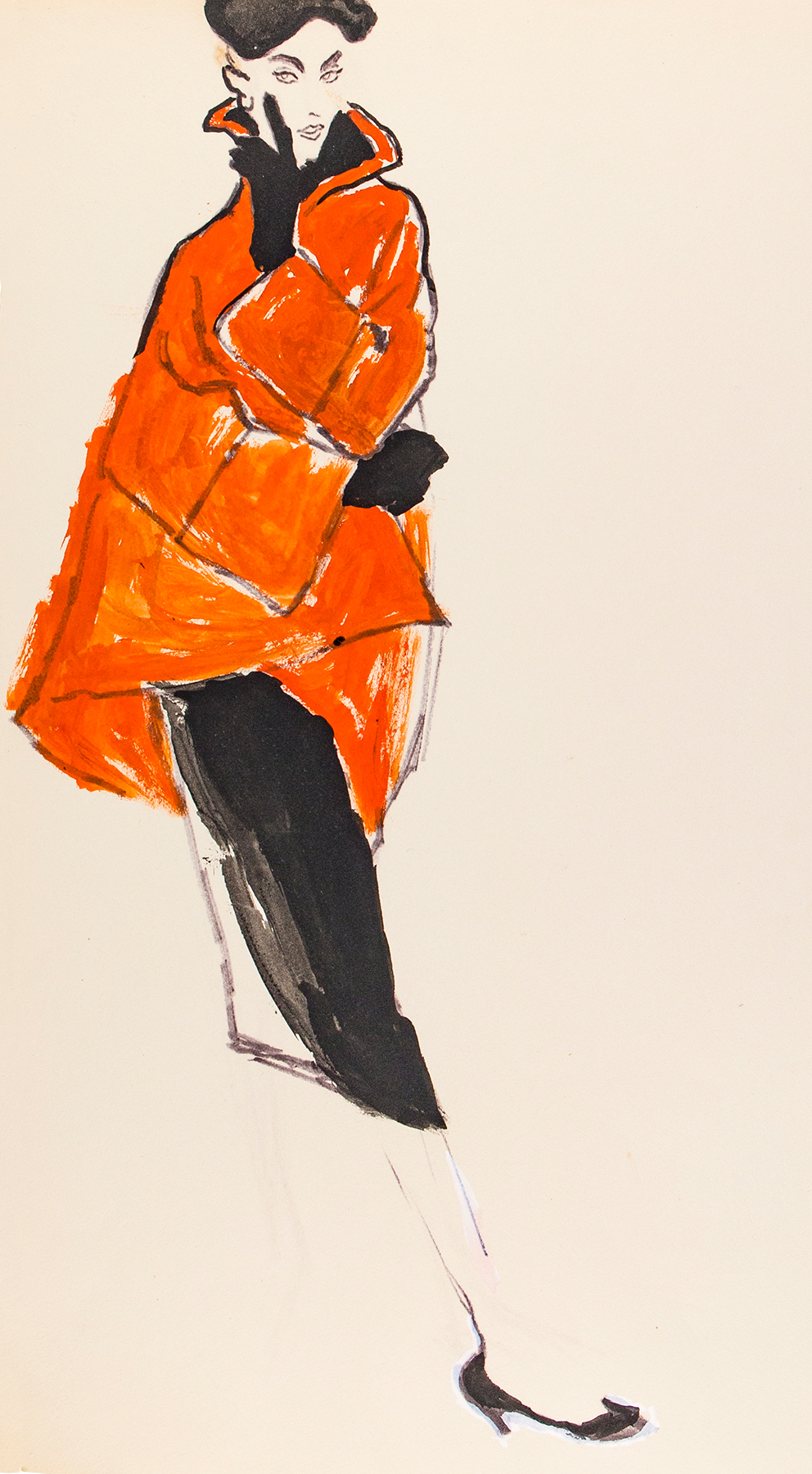 STONEHOUSE Brian M.B.E. (1918-1998) Orange Red Coat and Black Skirt. Gouache, ink and fibre-tip pen. Circa 1955. For an American fashion magazine, probably Vogue. Provenance: The artist’s estate. Stamped ‘Stonehouse Estate / A and H’ verso. 21x11.5 inches (irregular).
 ●
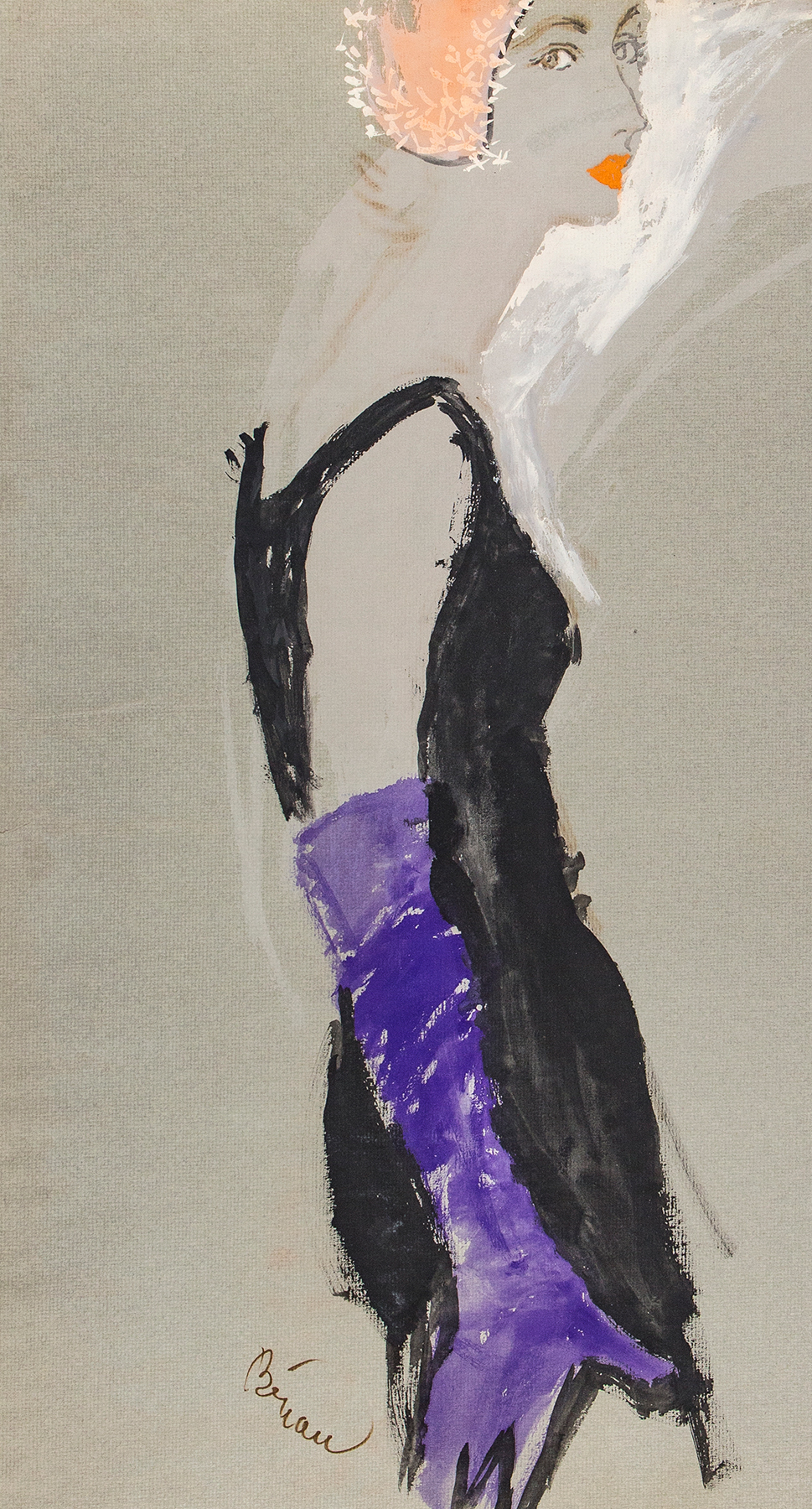 STONEHOUSE Brian M.B.E. (1918-1998) Black Evening Dress and Purple Glove. Gouache and fibre-tip pen on grey paper. Signed. Circa 1955. For an American fashion magazine, probably Vogue. Provenance: The artist’s estate. Stamped ‘Stonehouse Estate / A and H’ verso. 23.5x12.5 inches (irregular).
 ●
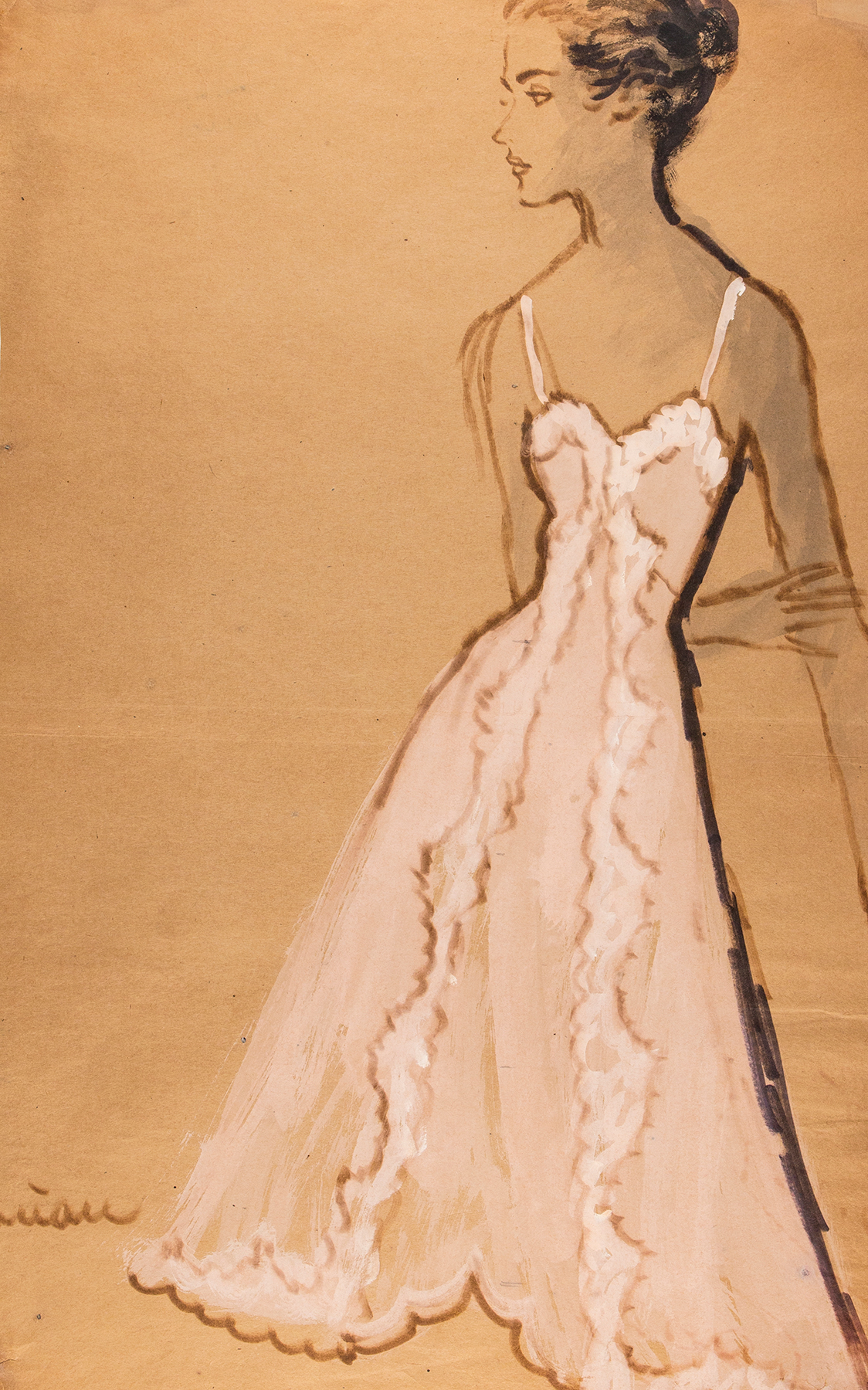 STONEHOUSE Brian M.B.E. (1918-1998) Modelling ‘A deeper, slightly pink shading of ecru for this slip of nylon chiffon tricot cut on the princesse line. Very lacy – and the lace hand-run. By Vanity Fair, about $40. Henry Bendel; I Magnin’. Gouache, watercolour and fibre tip-pen on tan paper. Signed. Illustrated ‘Rediscovery in lingerie – the range of creamy shades’, p’s 136,137, 1.10.1952 Issue, American Vogue. Stamped verso ‘Copyright Conde Naste…’ inscribed ‘2024’, ‘P.137’ and (cropped) ‘/52’. Provenance: The artist’s estate. Stamped: ‘Stonehouse Estate / A and H’ verso. 27x17.25 inches (irregular).
 ●
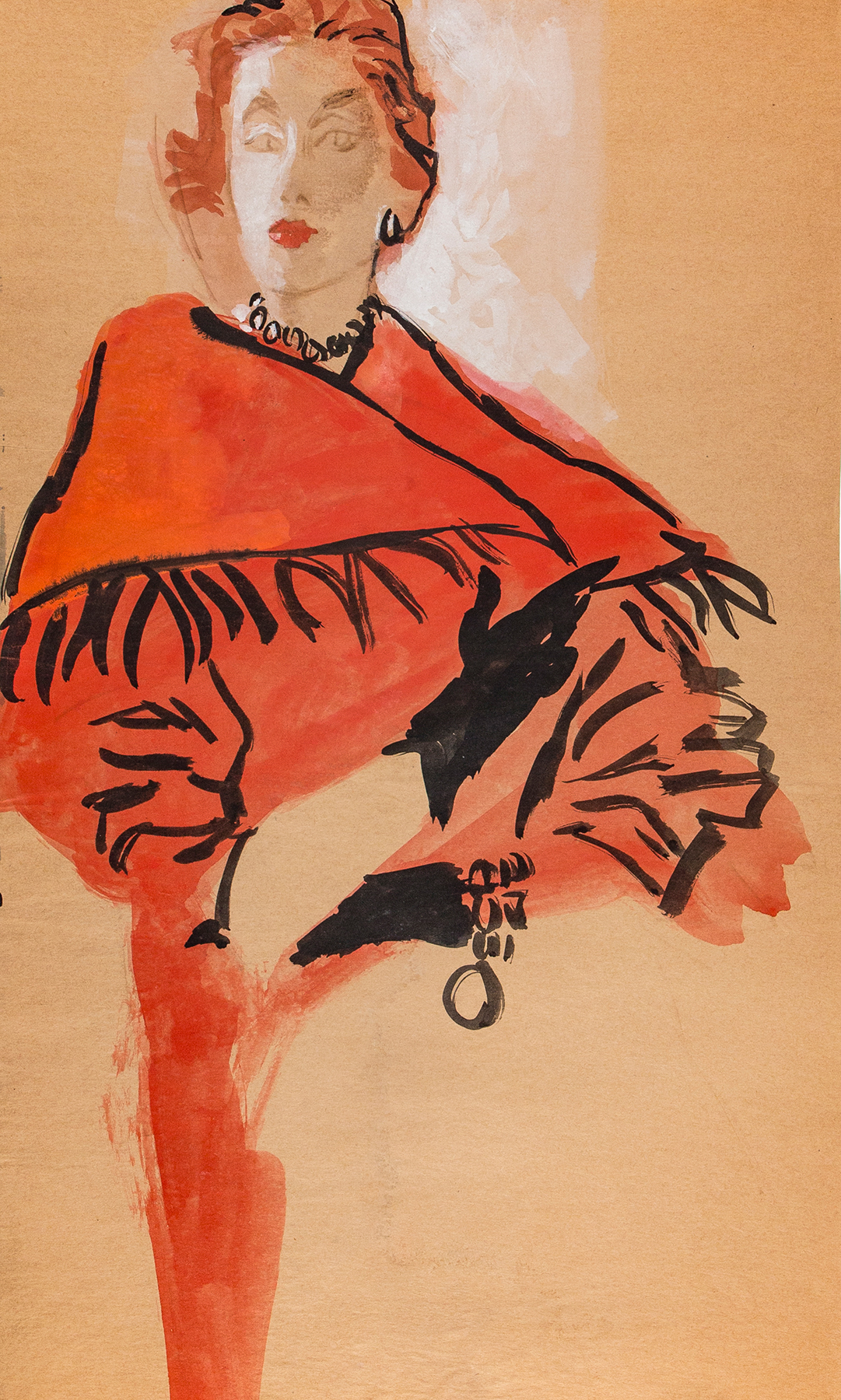 STONEHOUSE Brian M.B.E. (1918-1998) The Red, Fringed Coat. Watercolour, ink and fibre-tip pen on tan paper. Circa 1955. For an American fashion magazine, probably Vogue. Provenance: The artist’s estate. Stamped ‘Stonehouse Estate / A and H’ verso. 21.5x13 inches (irregular).
 ●
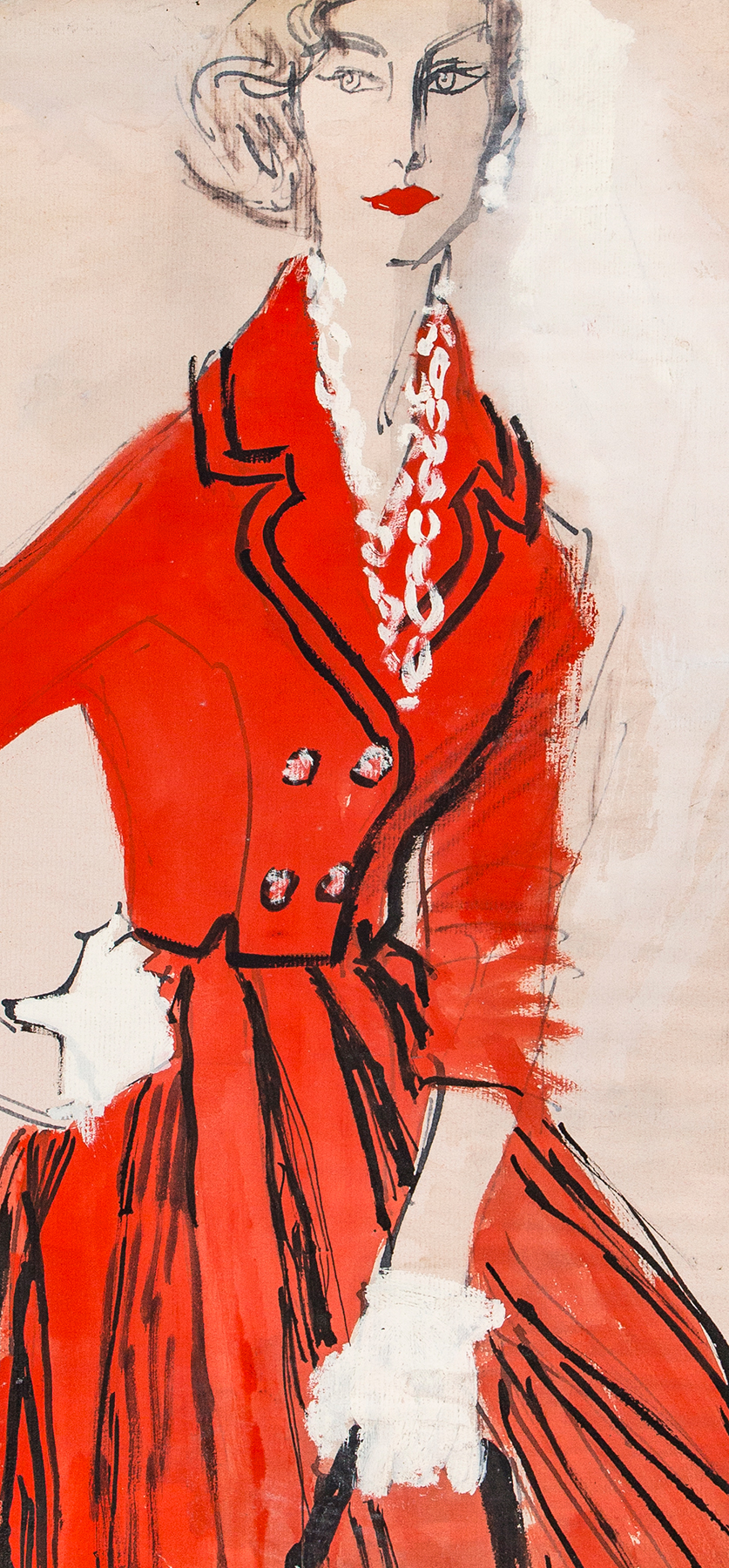 STONEHOUSE Brian M.B.E. (1918-1998) A Red Suit edged with Black. Gouache, ink and fibre-tip pen on pink paper. Circa 1958. For an American fashion magazine, probably Vogue. Provenance: The artist’s estate. Stamped ‘Stonehouse Estate / A and H’ verso. 19.25x9 inches (irregular).
 ●
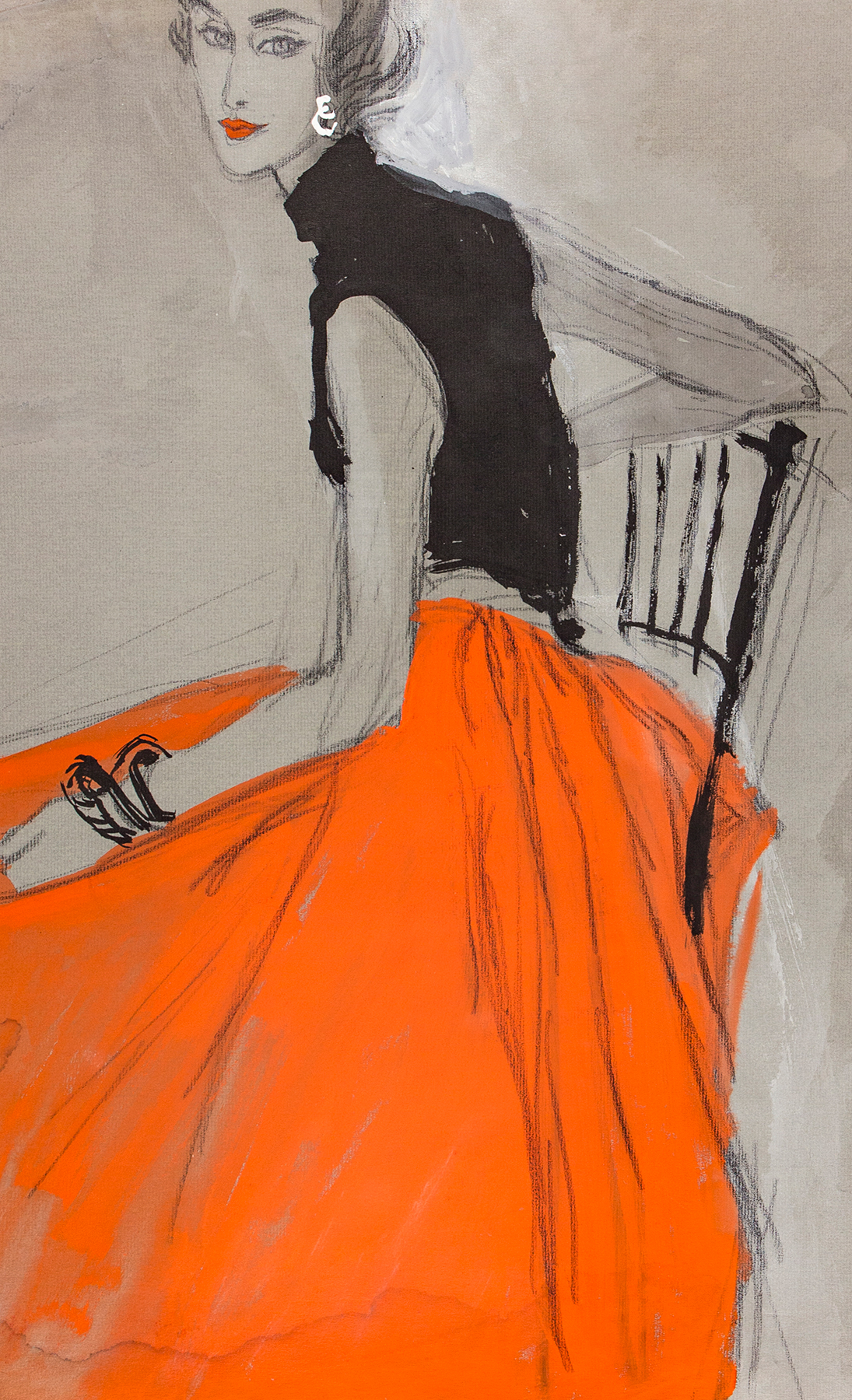 STONEHOUSE Brian M.B.E. (1918-1998) Full Red Skirt and Black Top. Gouache, chalk and ink on grey paper. Circa 1960. For an American fashion magazine, probably Vogue. Provenance: The artist’s estate. Stamped ‘Stonehouse Estate / A and H’ verso. 23.25x14 inches (irregular).
 ●
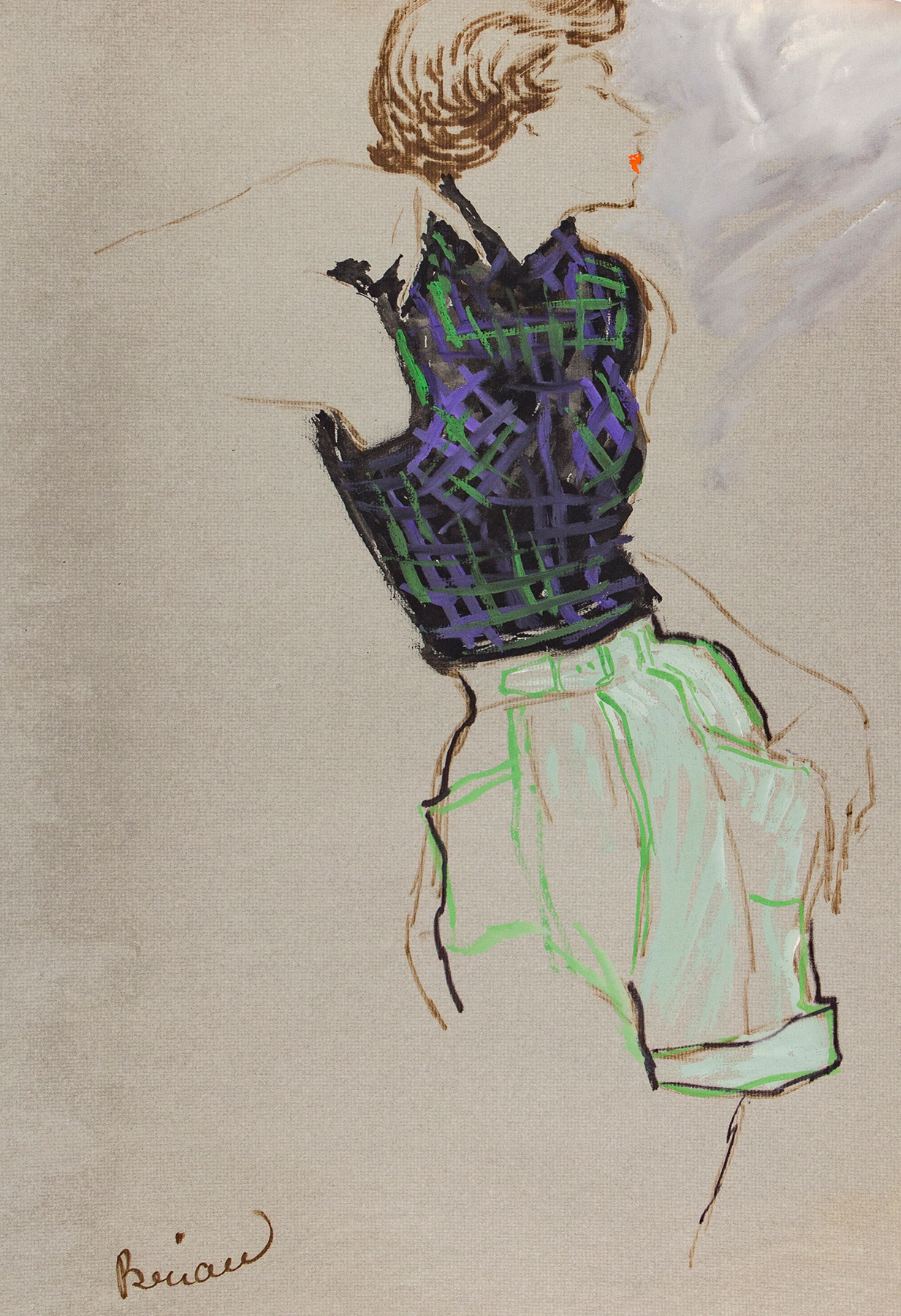 STONEHOUSE Brian M.B.E. (1918-1998) Shorts and a Sleeveless Top. Gouache and a fibre-tip pen on grey paper. Signed. Circa 1955. For an American fashion magazine, probably Vogue. Provenance: The artist’s estate. Stamped ‘Stonehouse Estate / A and H’ verso. 22.25x14.75 inches (irregular).
 ●
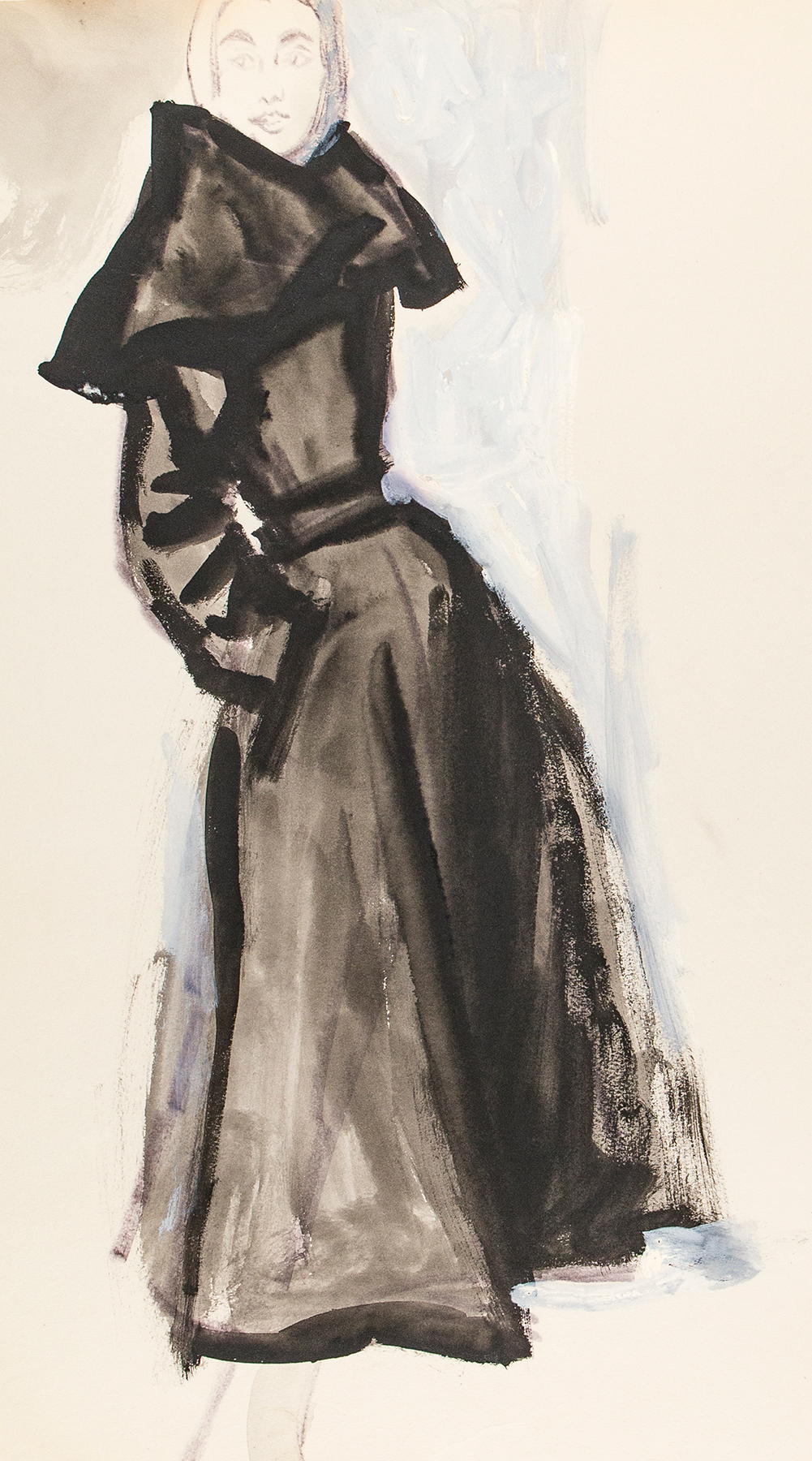 STONEHOUSE Brian M.B.E. (1918-1998) Black Coat Dress with a Cape Collar. Gouache, ink and fibre-tip pen. Circa 1955. For an American fashion magazine, probably Vogue. Provenance: The artist’s estate. Stamped ‘Stonehouse Estate / A and H’ verso. 23.5x12 inches (irregular).
 ●
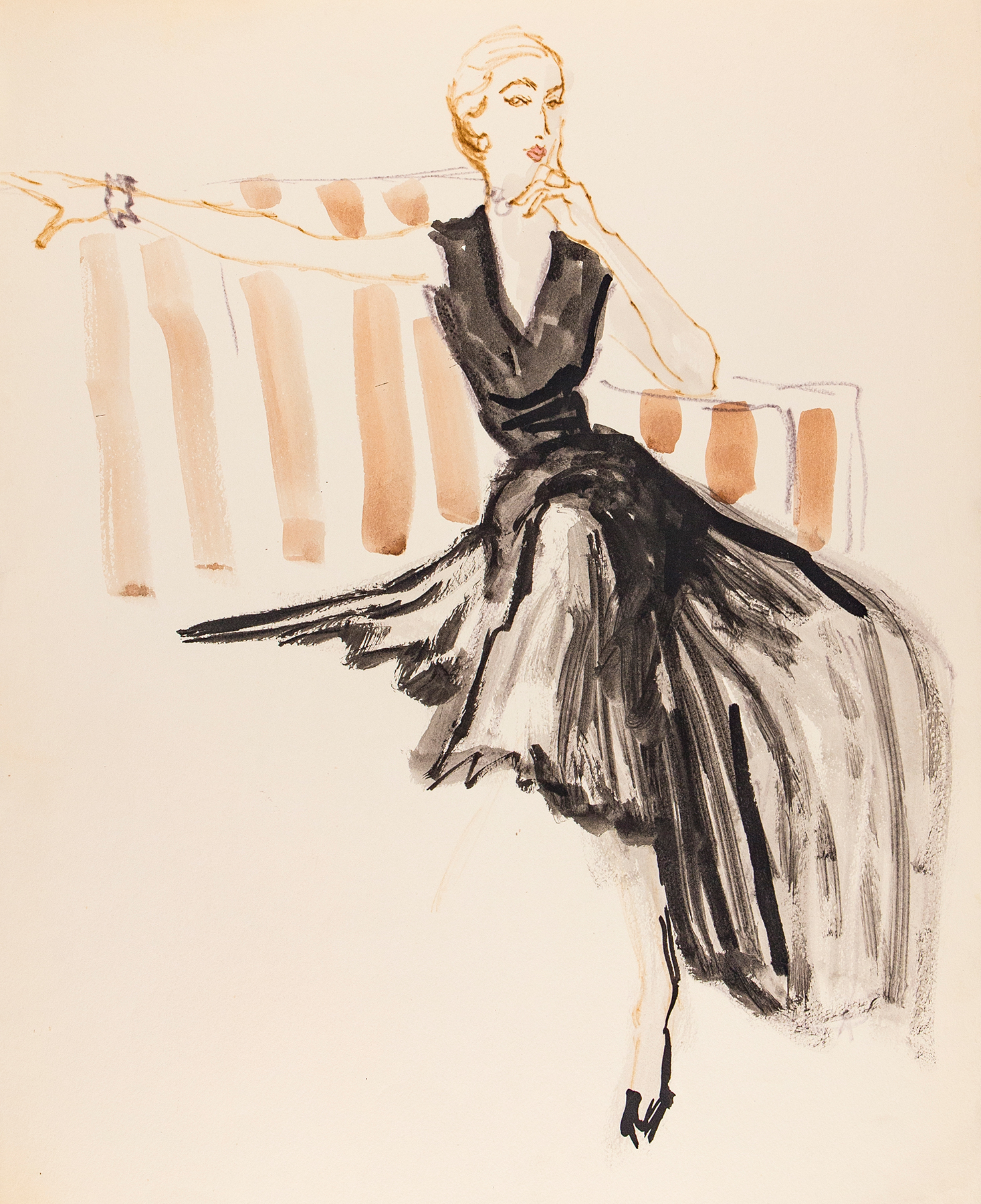 STONEHOUSE Brian M.B.E. (1918-1998) Black Dress against a Striped Sofa. Watercolour, ink and fibre-tip pen. Circa 1955. For an American fashion magazine, probably Vogue. Provenance: The artist’s estate. Stamped ‘Stonehouse Estate / A and H’ verso. 20x16 inches (irregular).
 ●
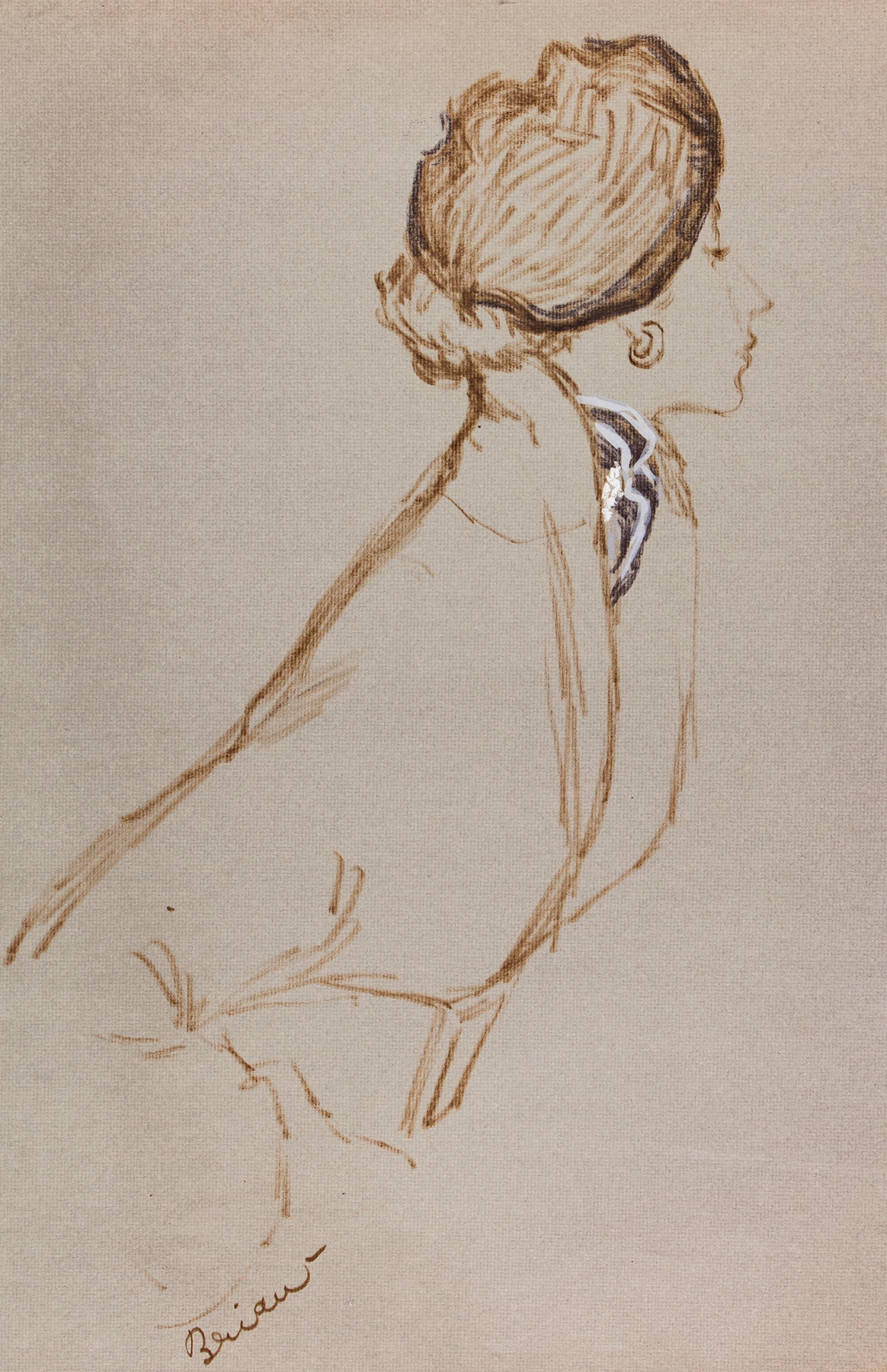 STONEHOUSE Brian M.B.E. (1918-1998) Beret and Cravat. Gouache and fibre-tip pen on grey paper for an American fashion magazine, probably Vogue. Signed. Circa 1955. Provenance: The artist’s estate. Stamped ‘Stonehouse Estate / A and H’ verso. 23.75x16.5 inches (irregular).
 ●
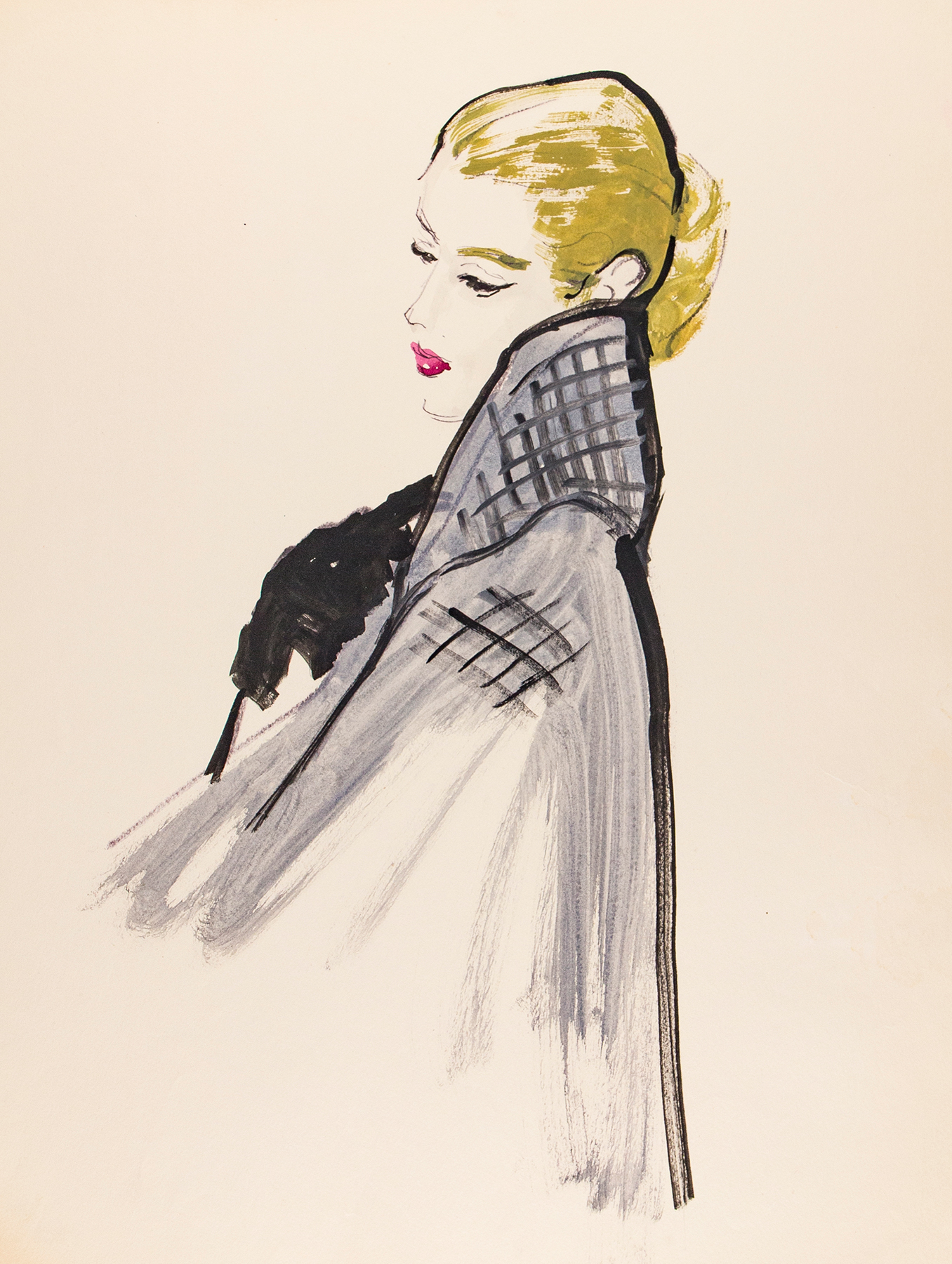 STONEHOUSE Brian M.B.E. (1918-1998) A Checked Shawl Collar. Gouache, ink and fibre-tip pen on sketchbook page. Circa 1955. For an American fashion magazine, probably Vogue. Provenance: The artist’s estate. Stamped ‘Stonehouse Estate / A and H’ verso. 23.5x17 inches (irregular).
 ●
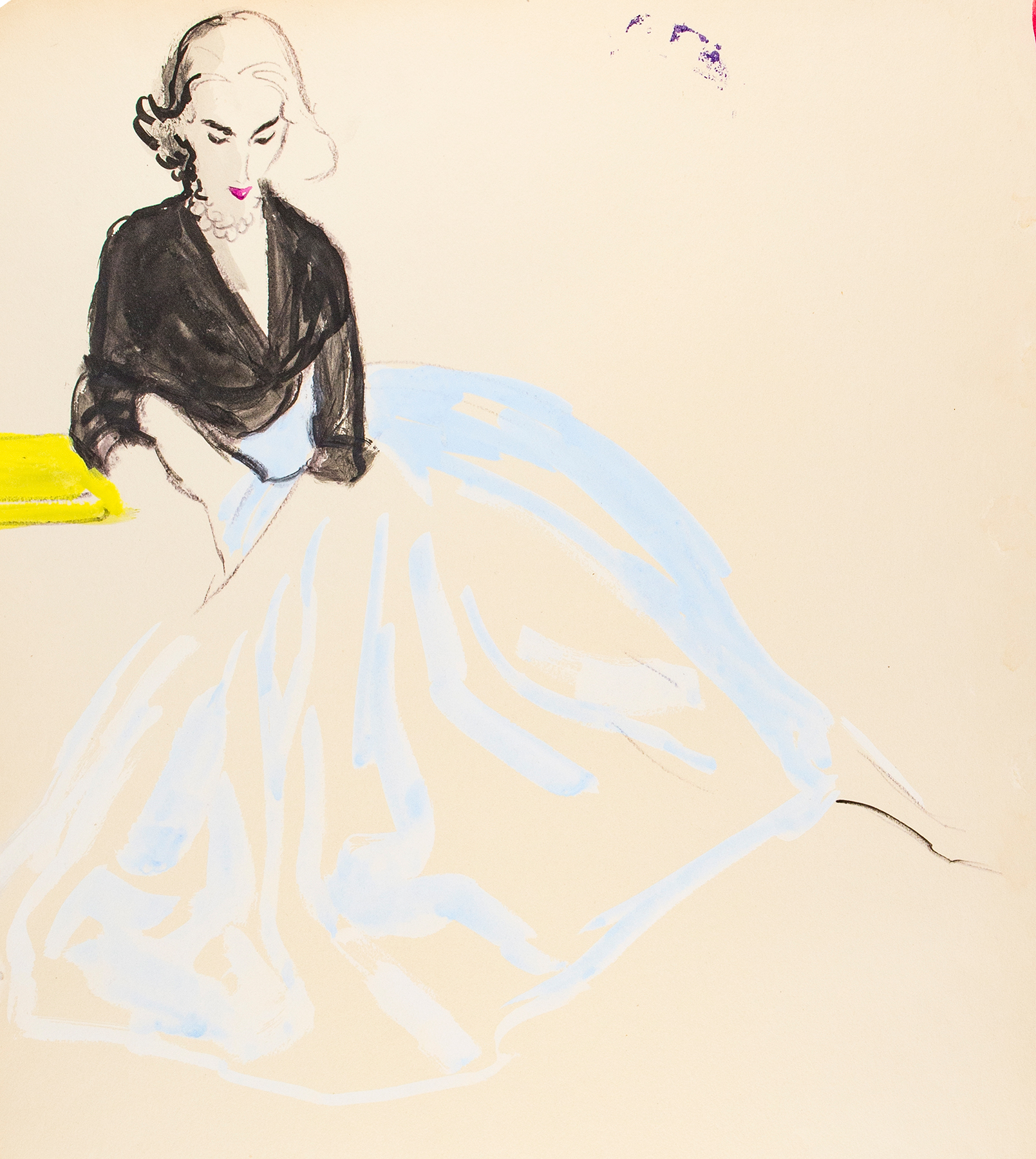 STONEHOUSE Brian M.B.E. (1918-1998) A Full, pale Blue Skirt and Black Top. Gouache, ink and fibre-tip pen on sketchbook page. Circa 1955. For an American fashion magazine, probably Vogue. Provenance: The artist’s estate. Stamped ‘Stonehouse Estate / A and H’ verso. 23.5x17 inches (irregular).
 ●
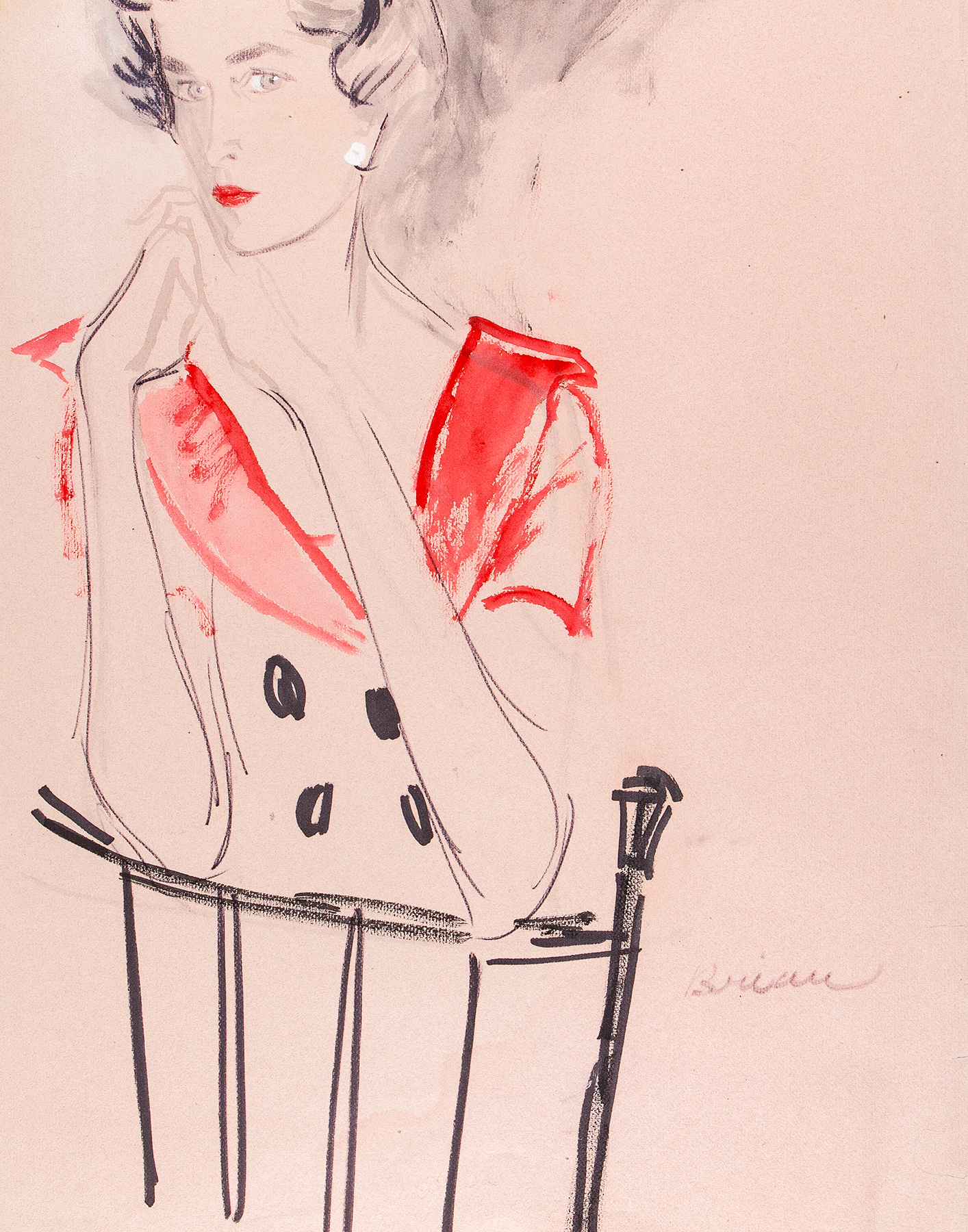 STONEHOUSE Brian M.B.E. (1918-1998) A Red Dress. Watercolour, gouache and fibre-tip pen on pink paper. Signed. For an American fashion magazine, probably Vogue. Circa 1958. Provenance: The artist’s estate. Stamped: ‘Stonehouse Estate / A and H’ verso. 22.25x17.5 inches (irregular).
 ●
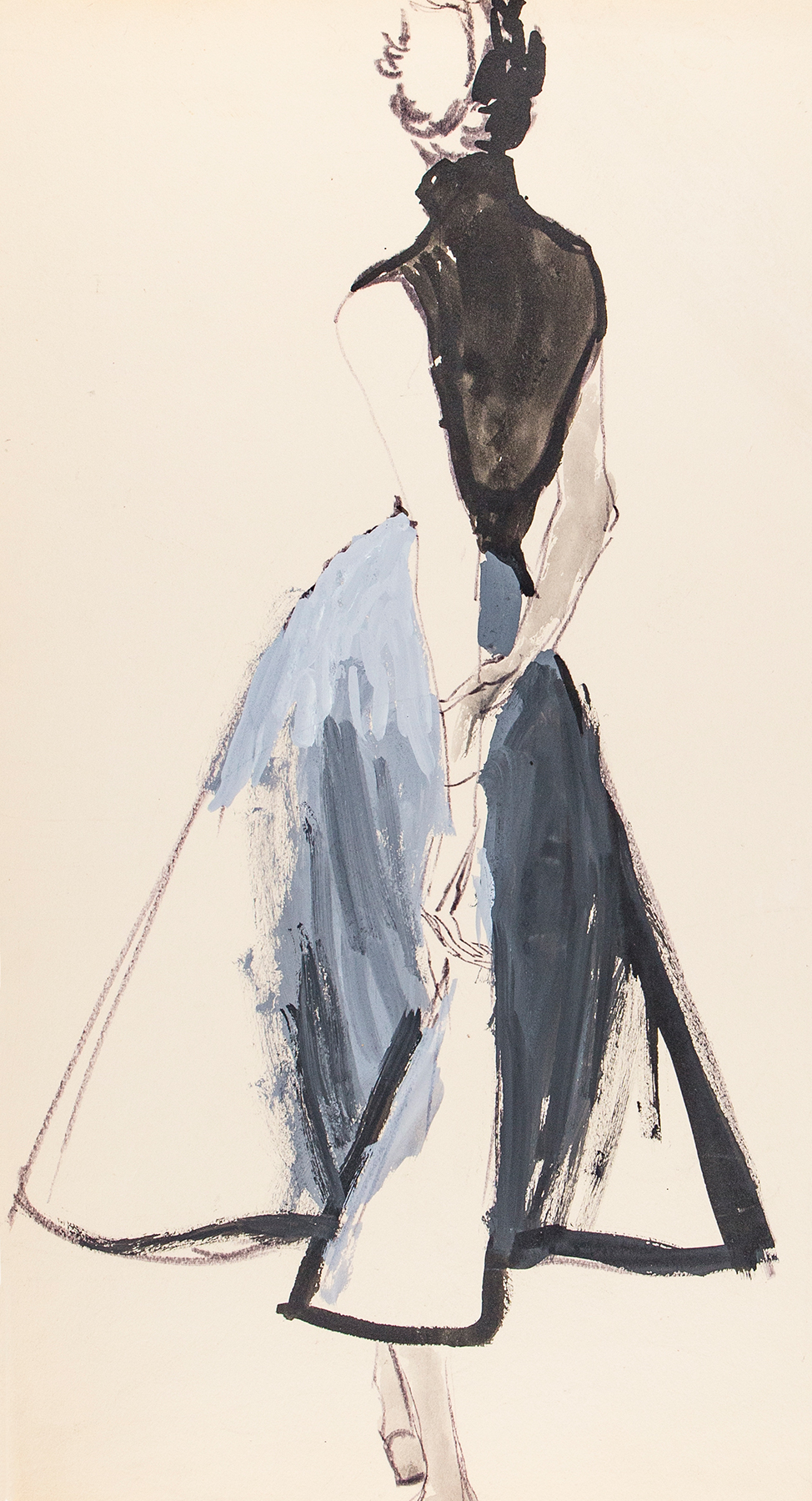 STONEHOUSE Brian M.B.E. (1918-1998) A Full Skirt and Sleeveless Top, back view. Gouache, ink and fibre-tip pen. Circa 1955. For an American fashion magazine, probably Vogue. Provenance: The artist’s estate. Stamped ‘Stonehouse Estate / A and H’ verso. 23x11.5 inches (irregular).
 ●
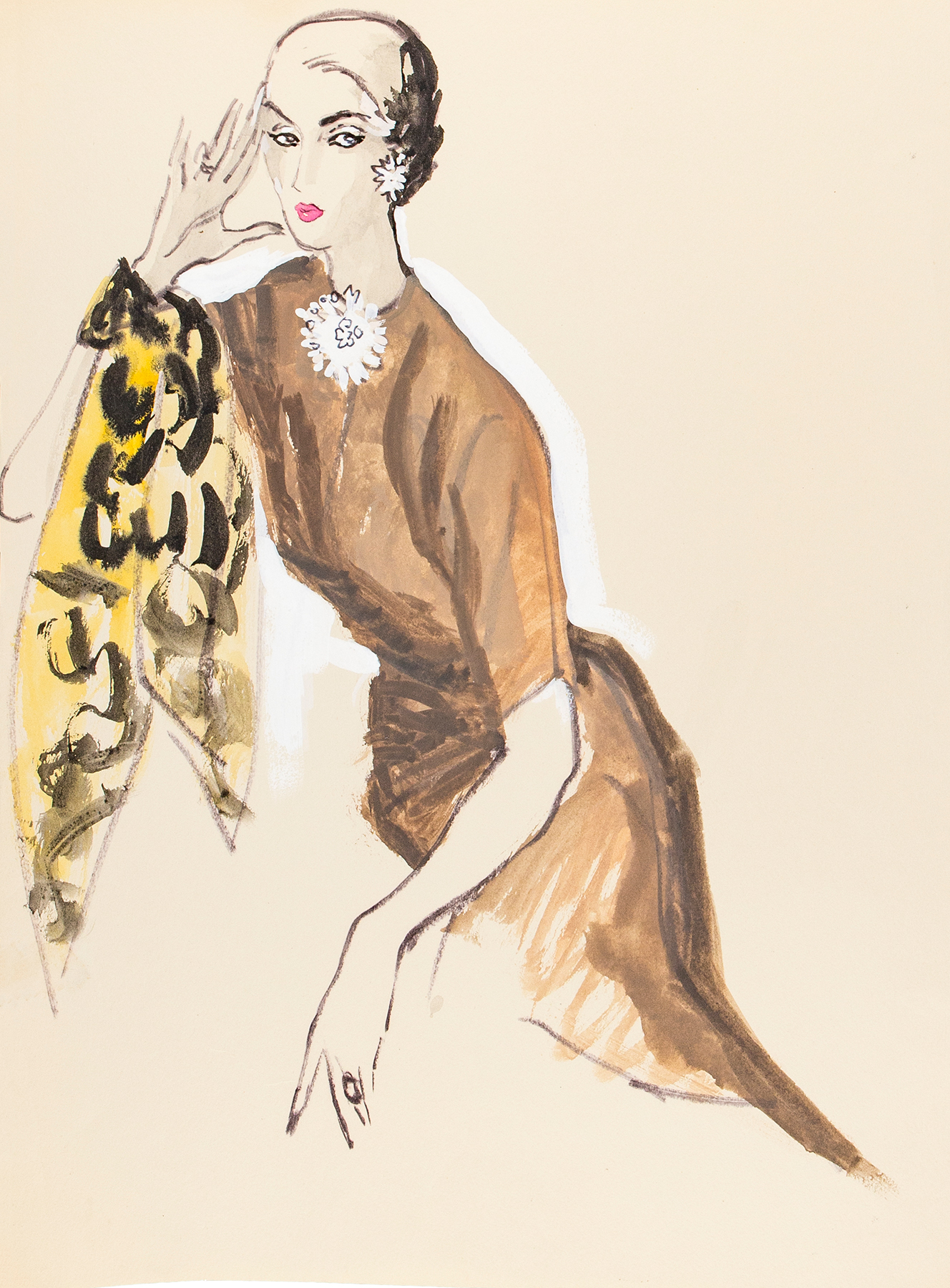 STONEHOUSE Brian M.B.E. (1918-1998) A Tobacco Brown Dress, and Patterned Scarf. Gouache, ink and fibre-tip pen. Circa 1955. For an American fashion magazine, probably Vogue. Provenance: The artist’s estate. Stamped ‘Stonehouse Estate / A and H’ verso. 19x13.5 inches (irregular).
 ●
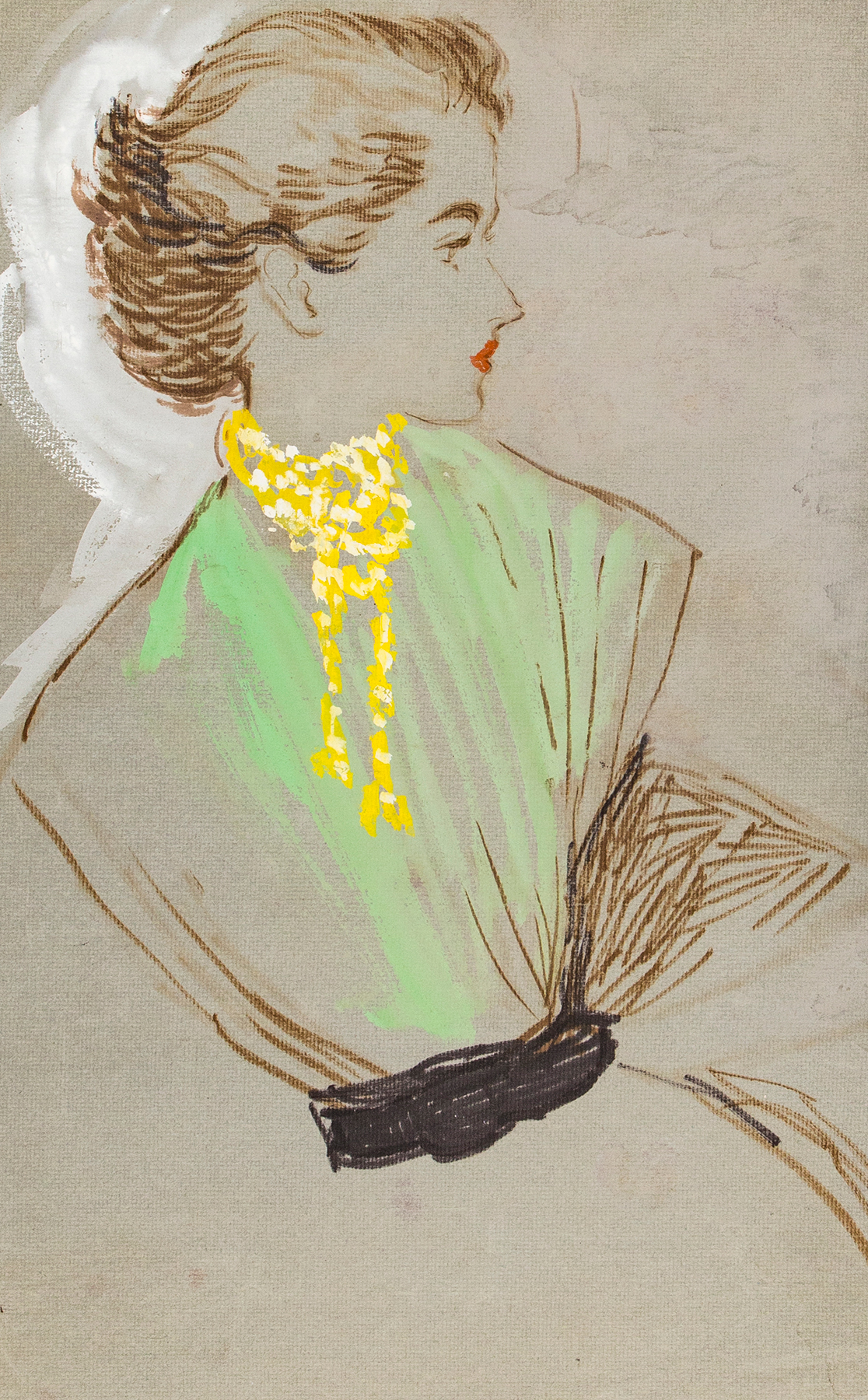 STONEHOUSE Brian M.B.E. (1918-1998) Gold Necklace and Green Top. Gouache and fibre-tip pen on grey paper. Circa 1955. For an American fashion magazine, probably Vogue. Provenance: The artist’s estate. Stamped ‘Stonehouse Estate / A and H’ verso. 19.25x12.5 inches (irregular).
 ●
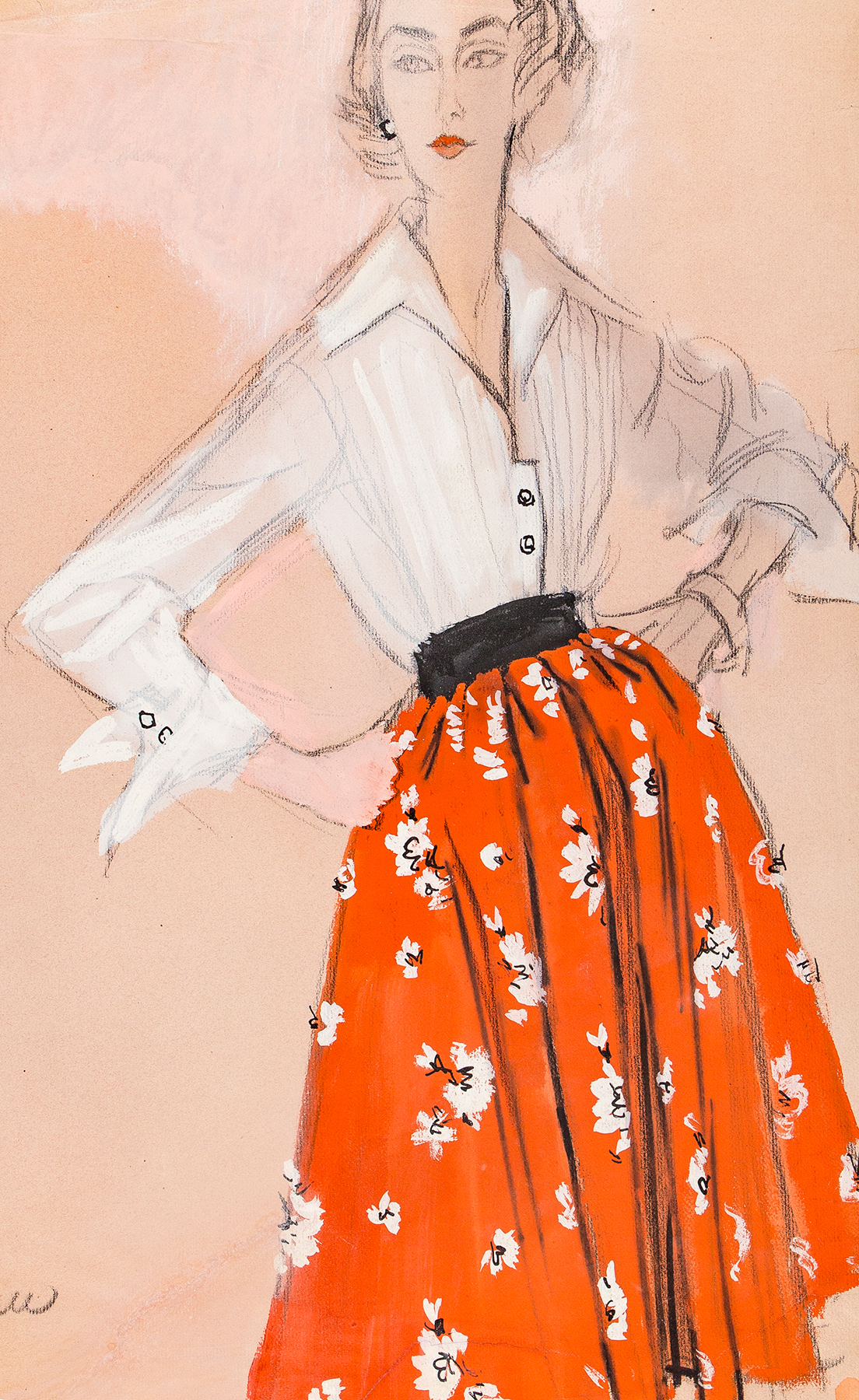 STONEHOUSE Brian M.B.E. (1918-1998) Full Red Skirt, with Flowers, and White Blouse. Gouache, charcoal and ink and fibre-tip pen on pink paper. Signed. Inscribed ‘V2927’ verso. Circa 1960. For American Vogue. Provenance: The artist’s estate. Stamped ‘Stonehouse Estate / A and H’ verso. 24.5x17.25 inches (irregular).
 ●
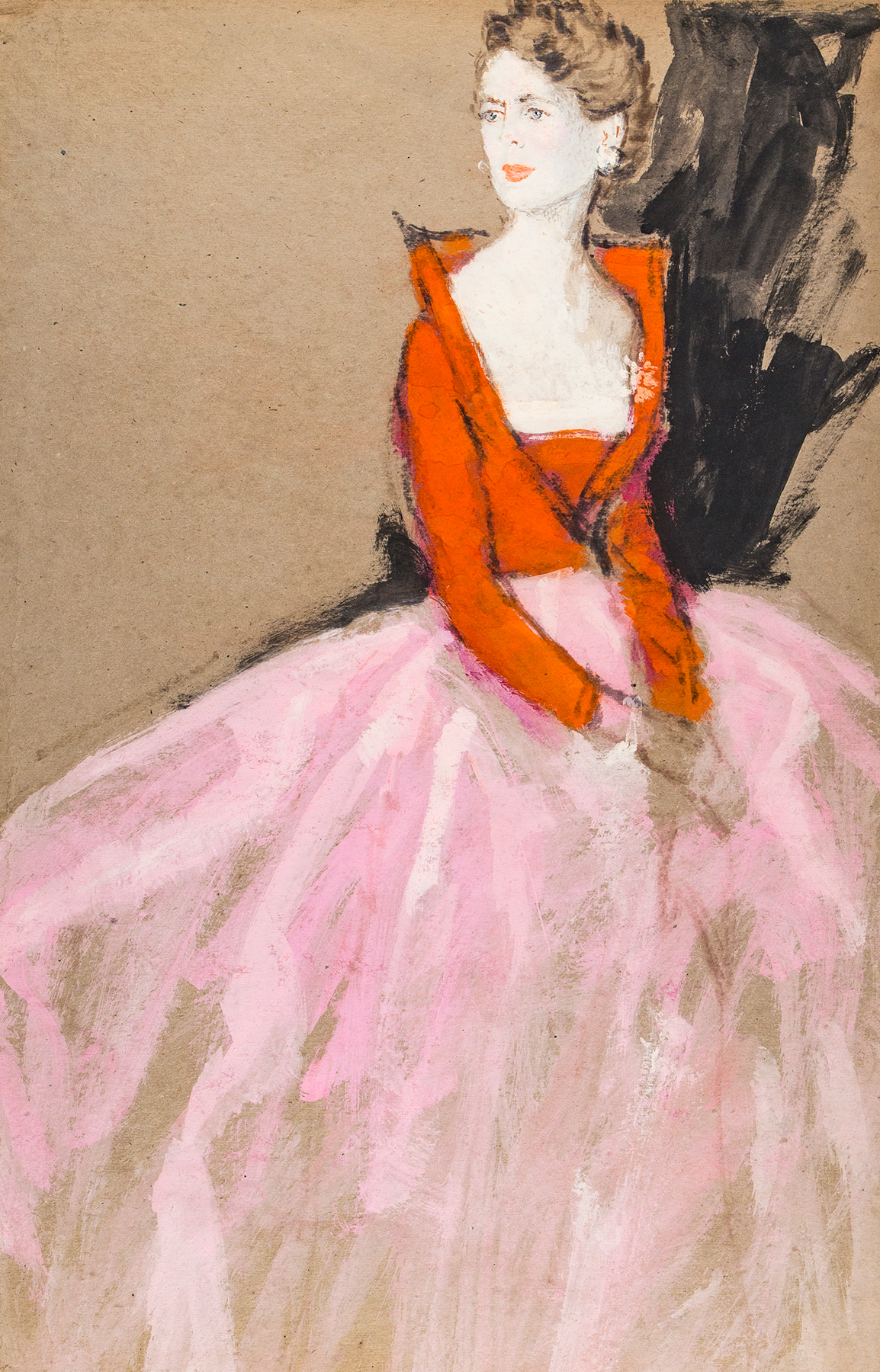 STONEHOUSE Brian M.B.E. (1918-1998) A Pink and Red Evening Dress. Ink and gouache on card. Signed verso. Circa 1958. For an American fashion magazine, probably Vogue. Provenance: The artist’s estate. Stamped ‘Stonehouse Estate / A and H’ verso. 25x16 inches.
 ●
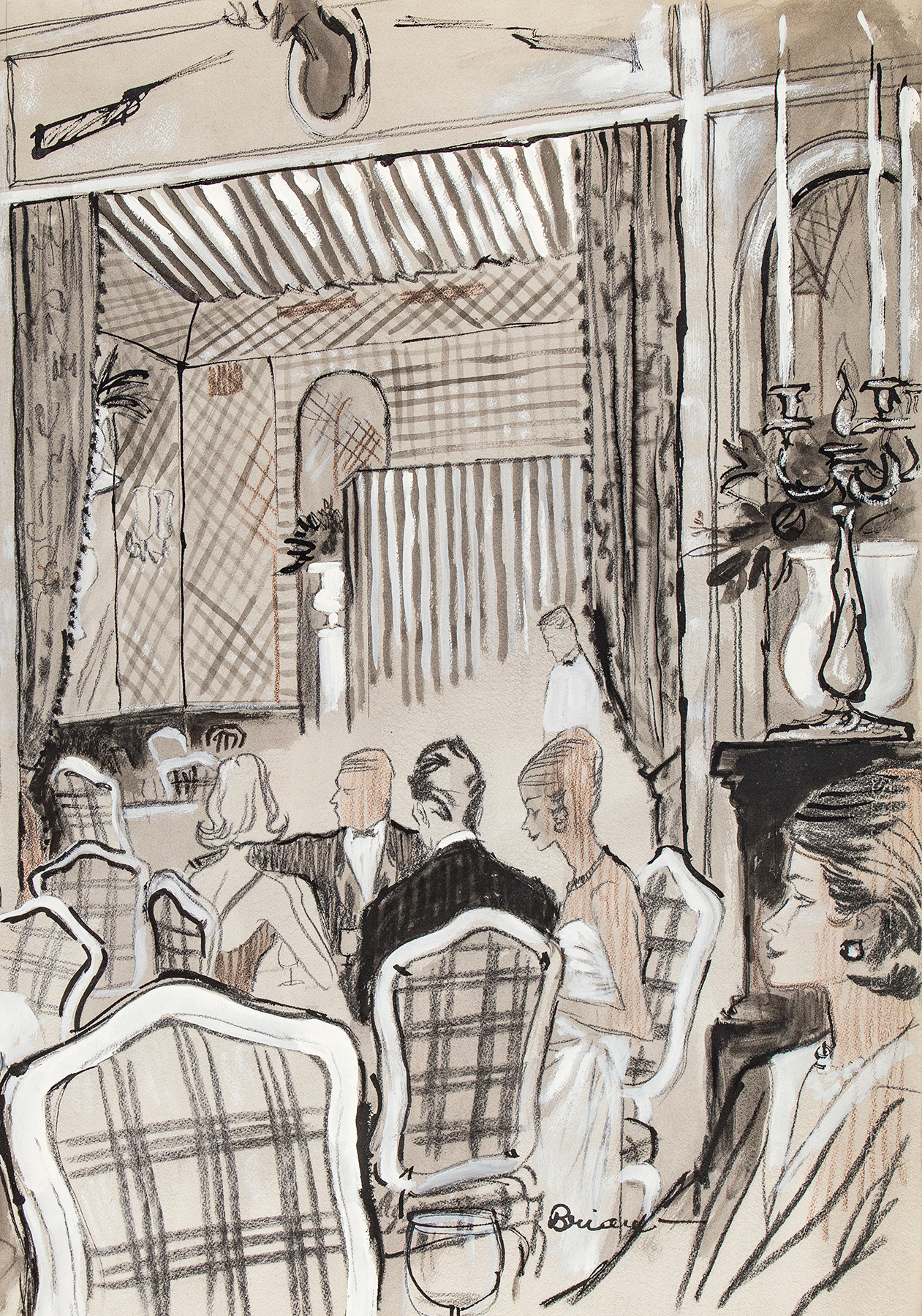 STONEHOUSE Brian M.B.E. (1918-1998) Night Club Restaurant, possibly at Palm Beach. Part 2 of 2. Black and brown chalk, ink and gouache. Signed. Stonehouse illustrated ‘Shop Hound … in Palm Beach’ pp.88-91, 1.2.1962 Issue, American Vogue and ‘Shop Hound : Palm Beach – the picture now’, p’s.26-29, 15.1.1963 Issue, American ‘Vogue. Provenance: The artist’s estate. Stamped ‘Stonehouse Estate / A and H’ verso 25.75x17.75 inches.
 ●
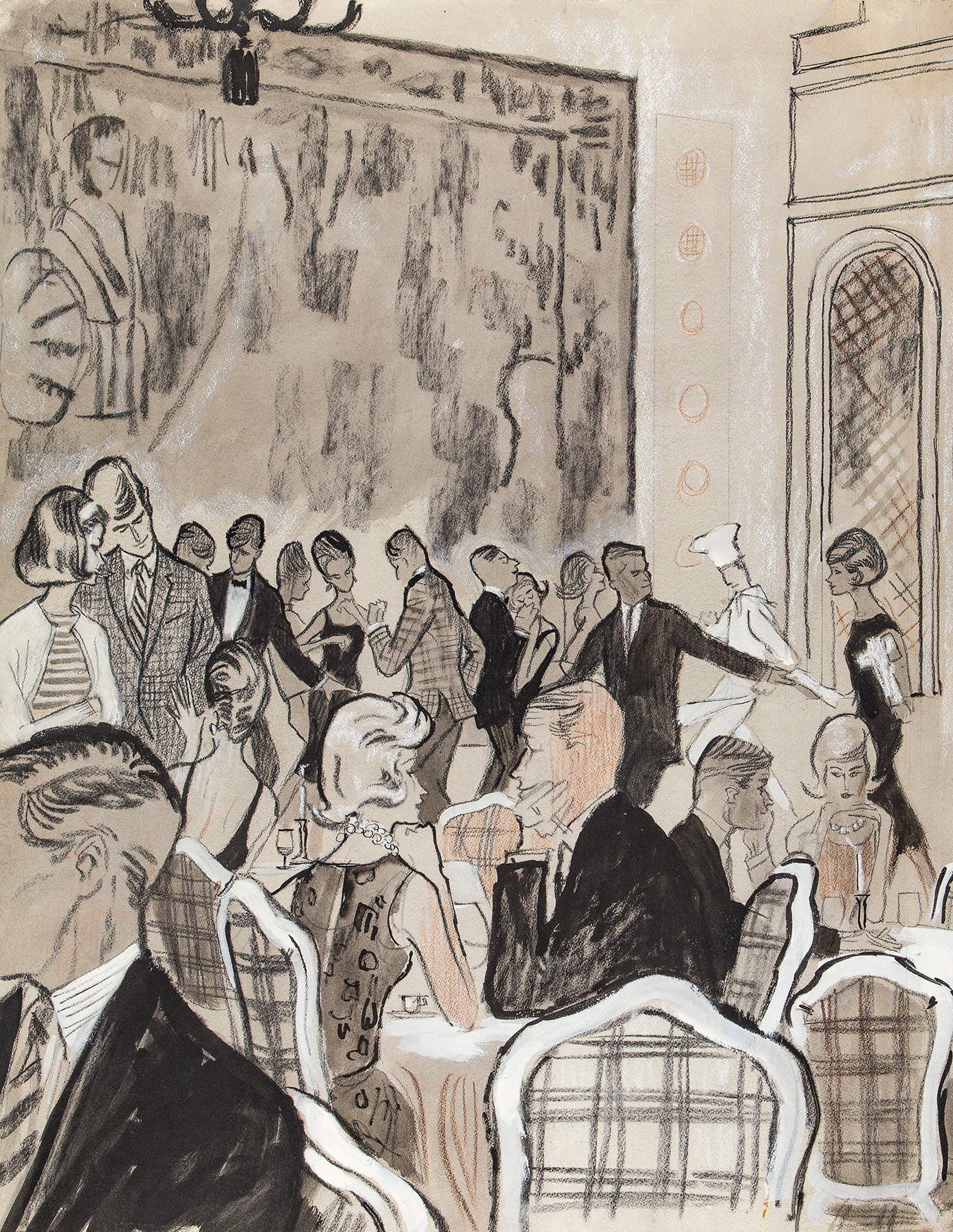 STONEHOUSE Brian M.B.E. (1918-1998) Night Club Restaurant, possibly Palm Beach. Part I of 2. Black and brown chalk, ink and gouache. Stonehouse illustrated ‘Shop Hound … in Palm Beach’, pp.88-91, 1.2.1962 Issue, American Vogue and ‘Shop Hound: Palm Beach – the picture now’, p’s 26-29, 15.1.1963 Issue, American Vogue. Provenance: The artist’s estate. Stamped ‘Stonehouse Estate / A and H’ verso. 25.75x20 inches.
 ●
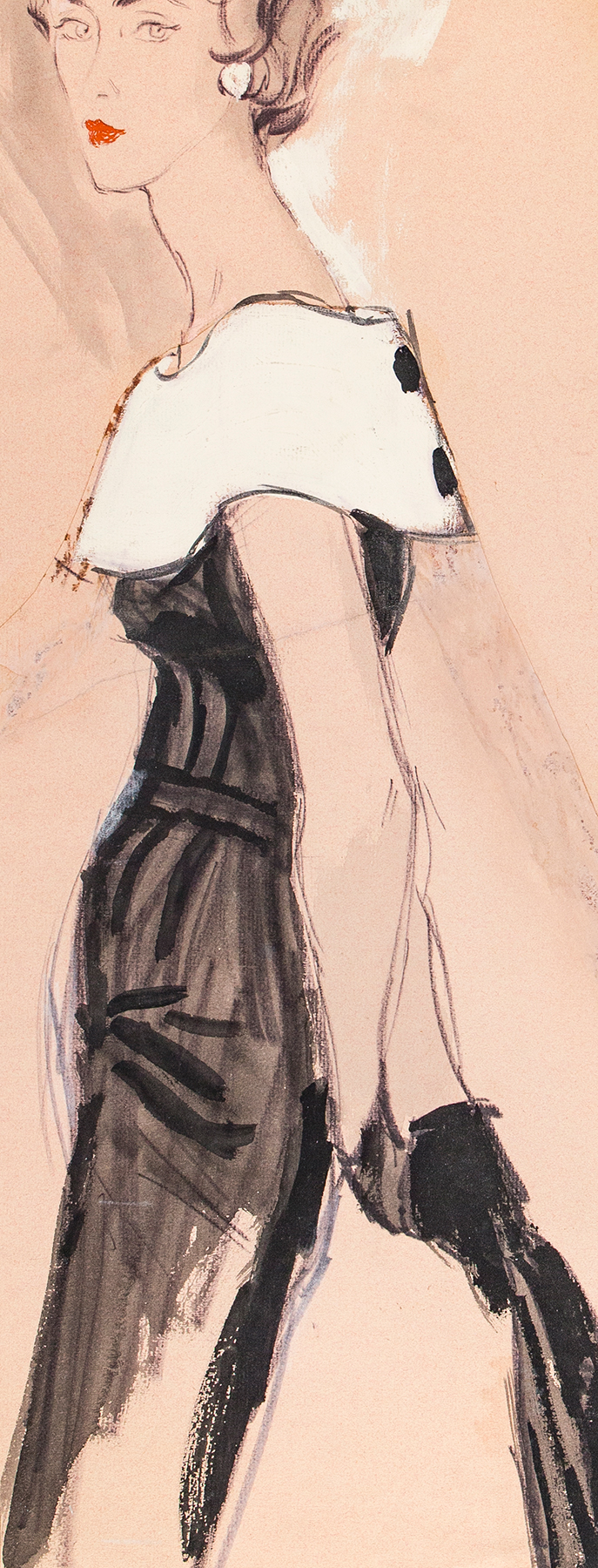 STONEHOUSE Brian M.B.E. (1918-1998) Black Dress with a White Cape Collar. Gouache, ink and fibre-tip pen on pink paper. Signed verso. Stamped (cropped) ‘Copyright Conde Naste…’ inscribed ‘p.89’ and dated ‘54’. For American Vogue. 23.5x10.5 inches (irregular).
 ●
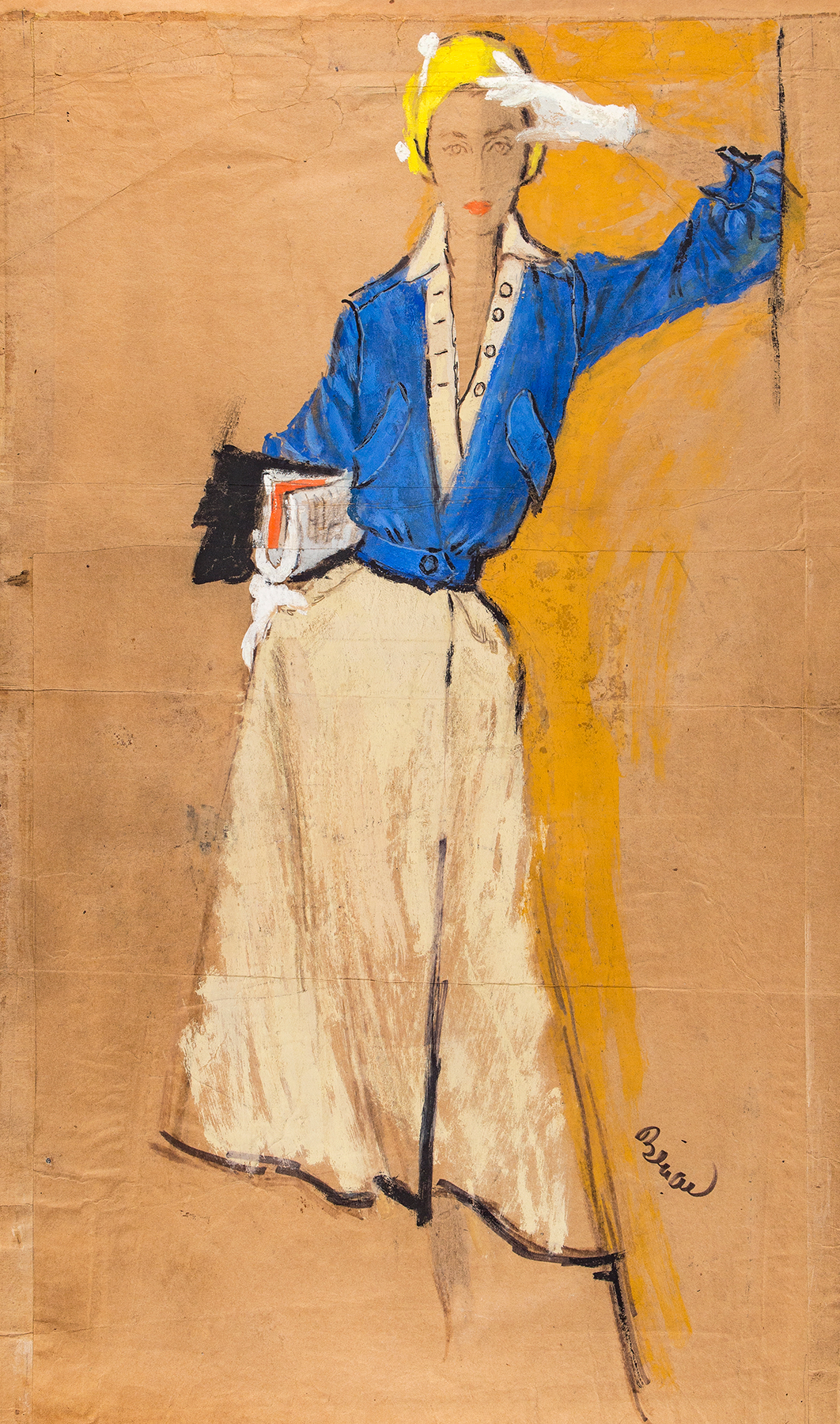 STONEHOUSE Brian M.B.E. (1918-1998) Modelling a Paris dress by Lanvin-Castillo. Gouache and fibre-tip pen on tan paper. Signed. Stamped ‘Copyright Conde Naste’ verso. Illustrated ‘Vogue Paris Patterns / System for making your own Paris copies’, p.168/69, January 1953 Issue, American Vogue. Provenance: The artist’s estate. Stamped ‘Stonehouse Estate / A and H’ verso. 29x15 inches (irregular).
 ●