
JOHN SUTCLIFFE
A Celebration
24th APRIL – 10th MAY 2025
PRIVATE VIEW
6-8pm Thursday 24th April
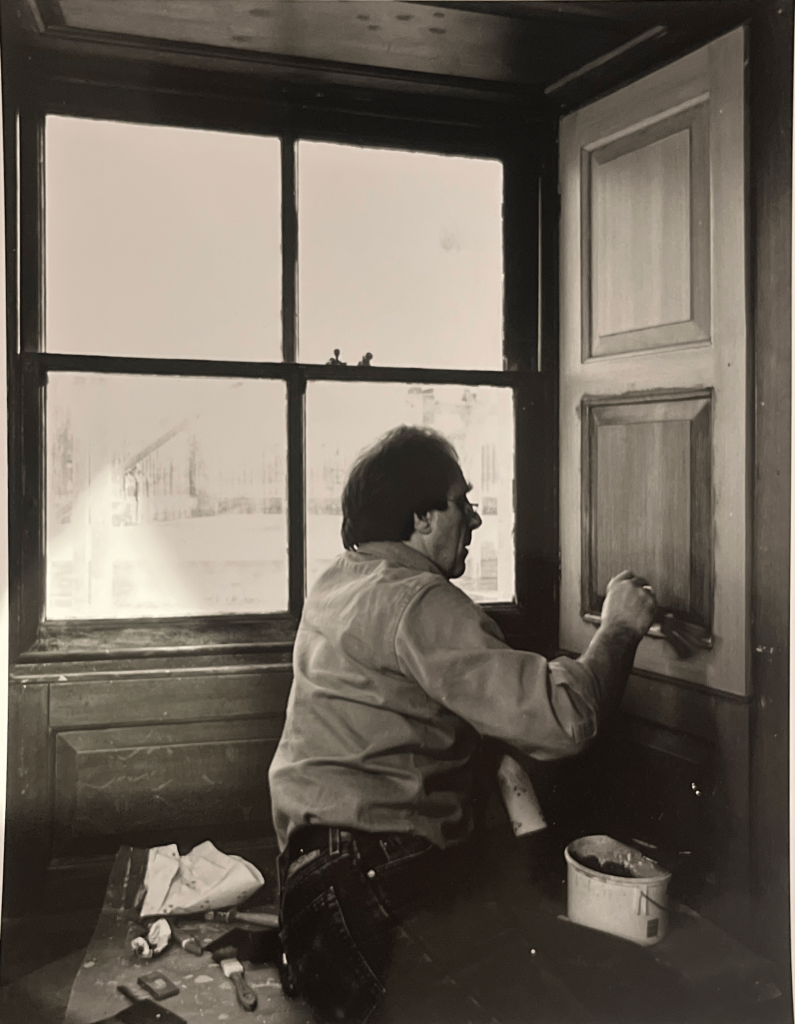
John Sutcliffe was one of the great decorative painters and colour experts of his generation. He was researching and using historic paint colours on National Trust interiors long before the modern vogue for sensitive restoration. It was he, along with Tom Helme and James Finlay, who designed and named the Farrow and Ball colour range that has (quite literally) become part of the everyday fabric of our lives.
Like all master craftsmen, John’s skills were worn lightly; a combination of natural ability and a diligent study of architectural history. His books on interior design – Decorating Magic, Traditional Decorating and Paint: Decorating with Water-Based Paints – were ground breaking in their time. His The Colours of Rome and Lost Colours of the Cyclades are exercises in beautiful book design as much as they are landmark studies of colour.
An Introduction by Sebastian Sutcliffe, the artist’s son.
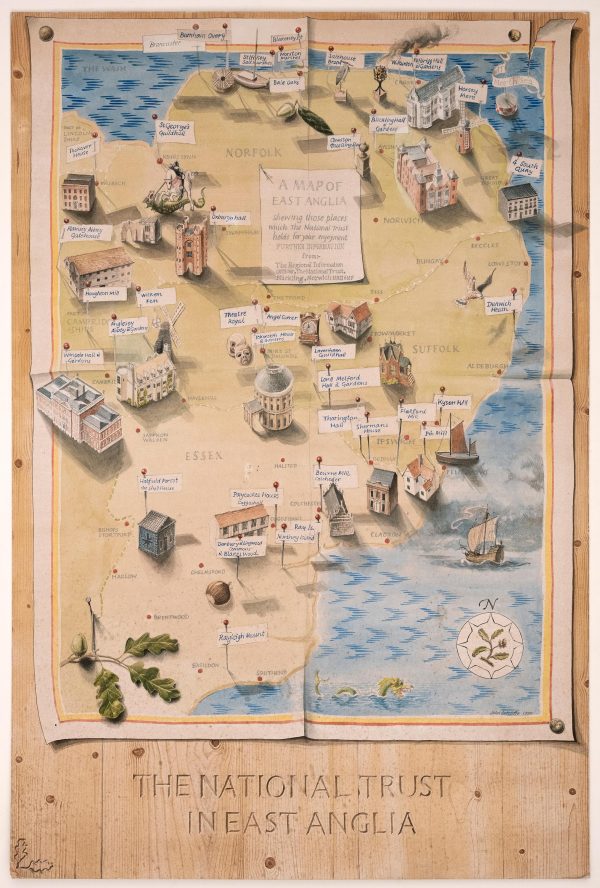
John, born and raised in rural Lincolnshire to parents with a passion for history, went from Winchester to Cambridge in the ’60s. The rarefied atmosphere suited him; he returned to Cambridge in 1985 where he lived for the rest of his life. Switching from studying architecture to fine art was an obvious move for John who believed that he would have designed beautiful buildings that ultimately fell down. He always wanted to be an Artist (Capital A), but real life pushed him into work for the National Trust where he became the first salaried Artistic Representative, based at Blickling Hall.
Five years of managing historical restoration taught him that he would much rather be doing the work himself, wielding a paintbrush instead of a typewriter. He left the Trust in 1973 and started his restoration / decoration business, keeping him in work until his death – an almost 50 year career of getting paid to do what he loved is something that he was proud of. John worked for the National Trust all over England, and for private and corporate clients from the US to Greece. He collaborated with Tom Helme on the first Farrow & Ball colour cards, using historical colours gleaned from his own research, and inventing many of the now famous colour names.
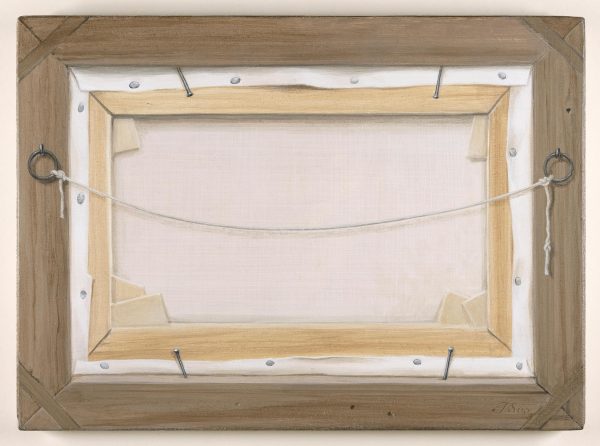
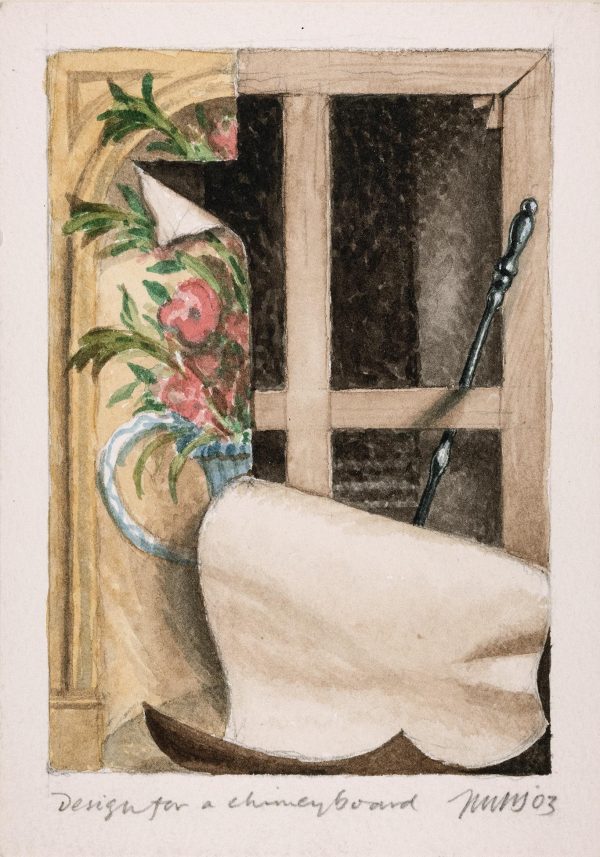
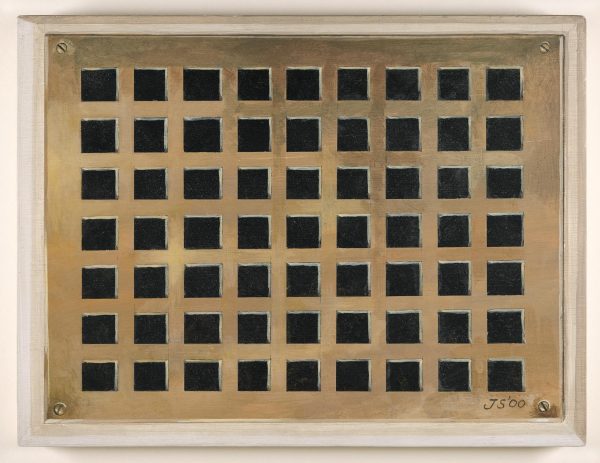
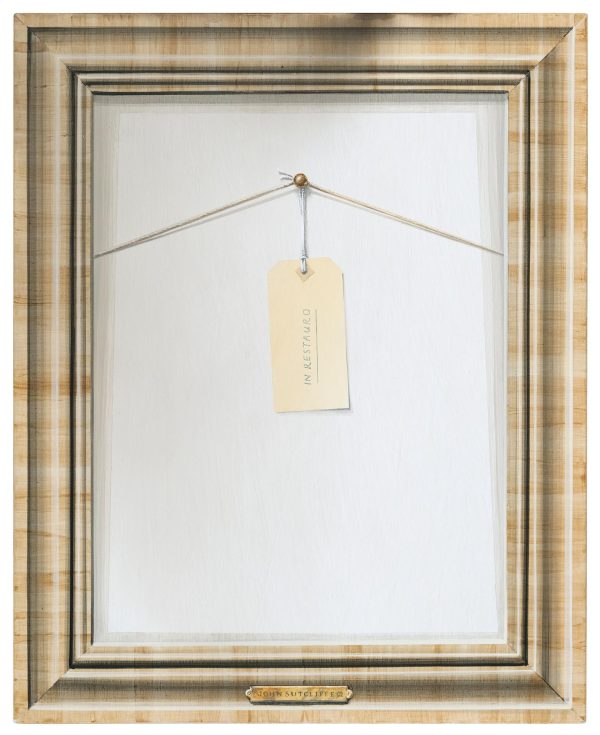
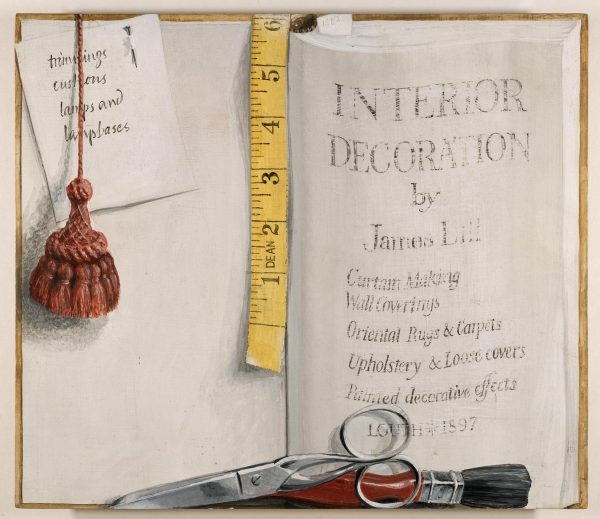
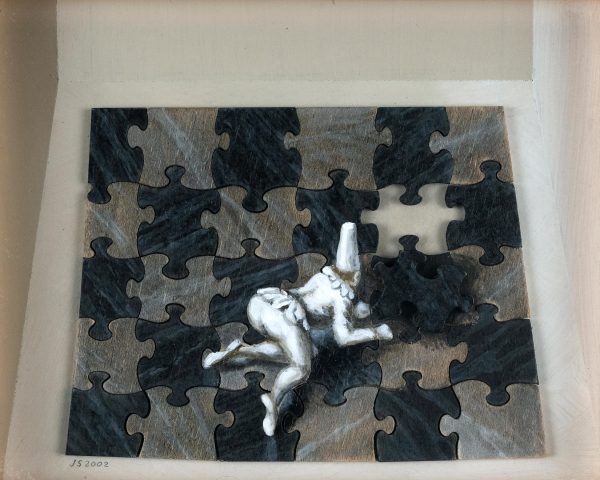
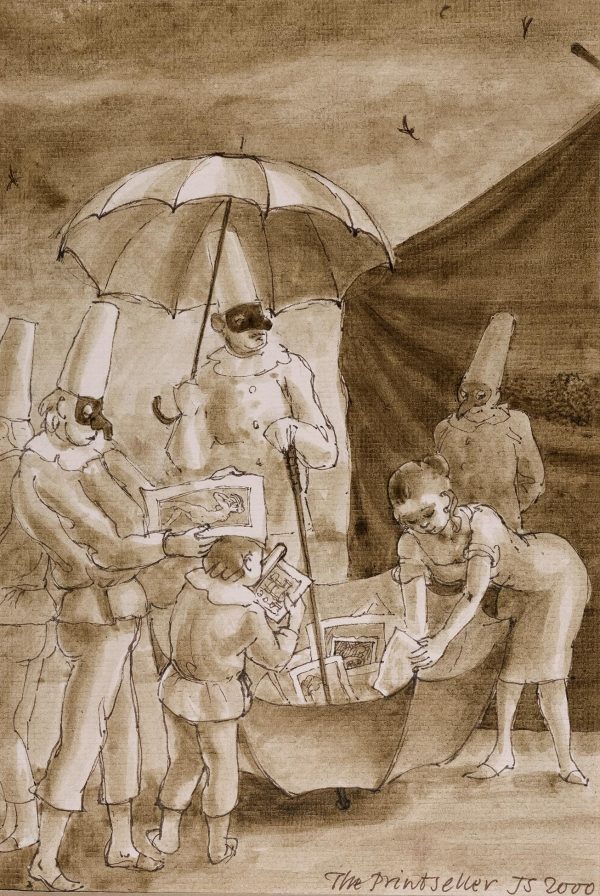
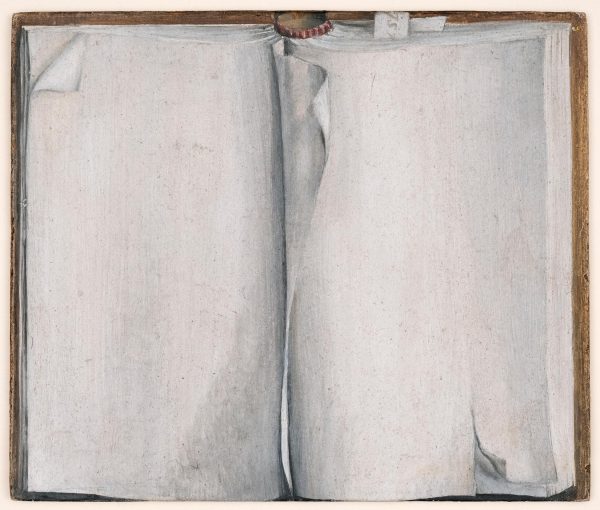
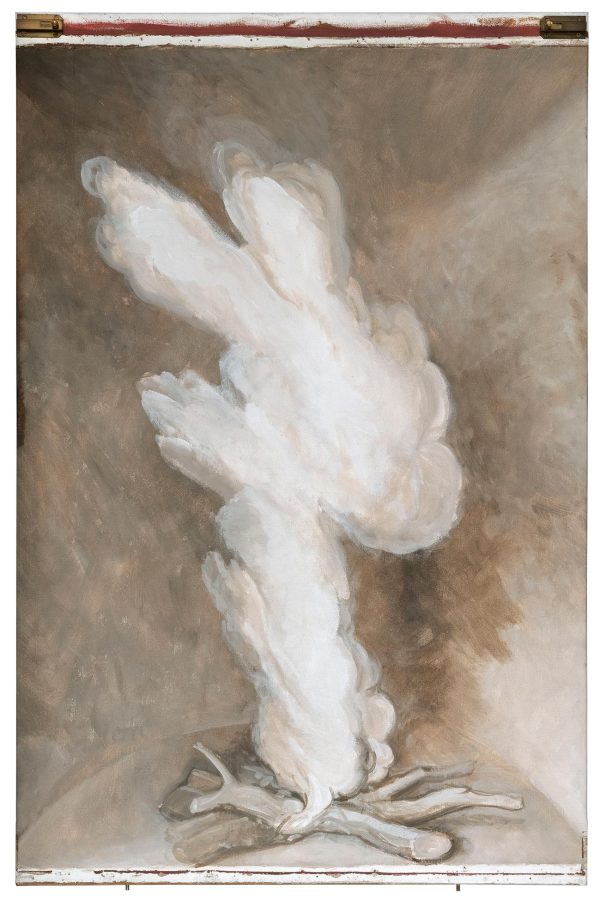
John was always a very good draughtsman – when coyly asking the art master at Winchester whether his drawing was tolerable, he was told, ‘You know it’s perfectly bloody!’ – and the art of graining and marbling honed his ability to fool the viewer with paint. Much of this selection of work shows his passion for trompe l’oeil. Aging paper for his Pulchinellas is an old trick, but John loved to paint a slip of paper into the corner of the work, or even depict the reverse of the canvas: he called one exhibition ‘Drawings on the wrong side of the paper’.
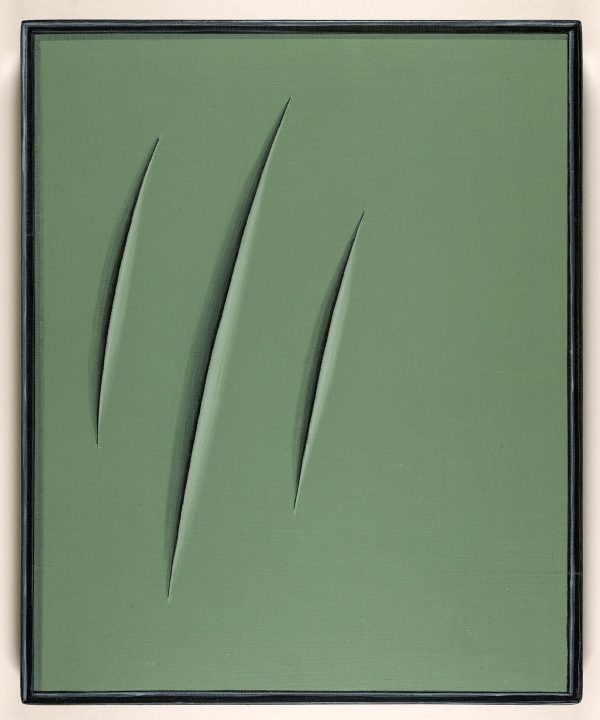
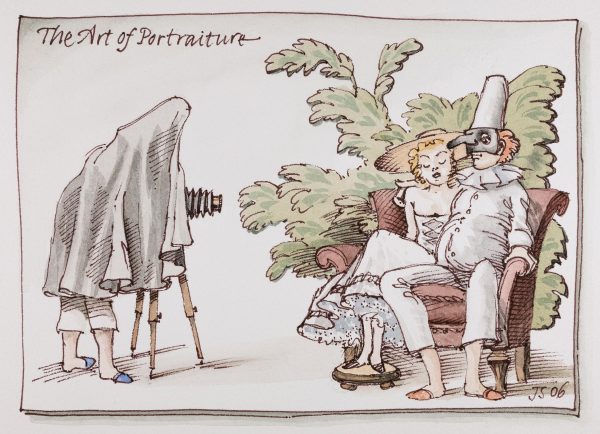
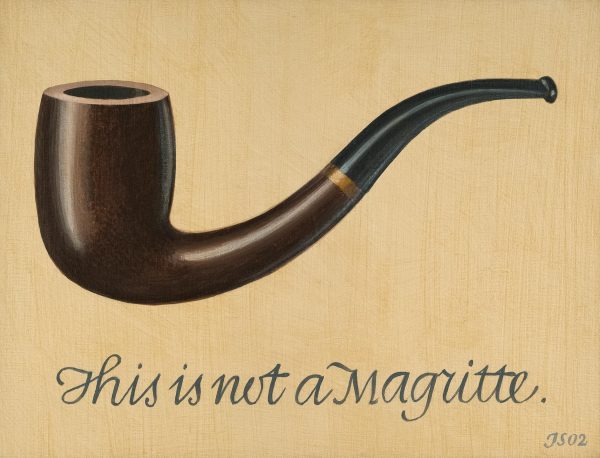
John’s deep knowledge of art history is very clear in these works. The pastiches of Tiepolo and Reynolds prove that John was very focused on the eighteenth century, but the exquisite versions of twentieth century artists Magritte and Fontana show that his range was considerable. Almost nothing John worked on lacks humour, and his knowing smile shines from this collection. The works featuring the commedia dell’arte character Pulchinella is self-evident, making him a signature image in the second half of John’s painting career. John identified with Pulchinella and put himself in many scenes, masked but lightly shod in John’s ever-present espadrilles.
Sebastian Sutcliffe, 2025
THE EXHIBITION
John’s work is to be found painted on the walls of beautiful buildings all over the world. Most notably …
Attingham Park, Shropshire
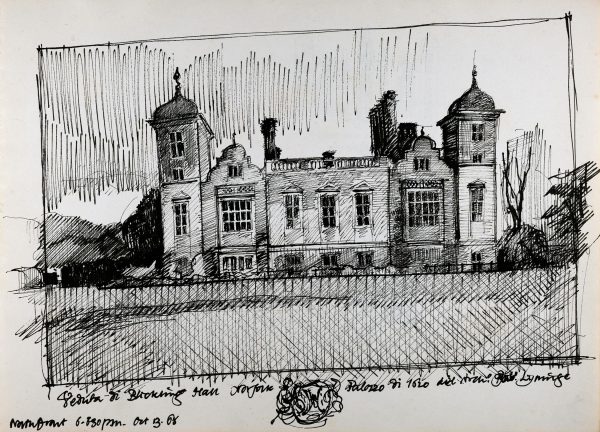
Blickling Hall, Norfolk
Brattle Street, Cambridge, Massachusetts
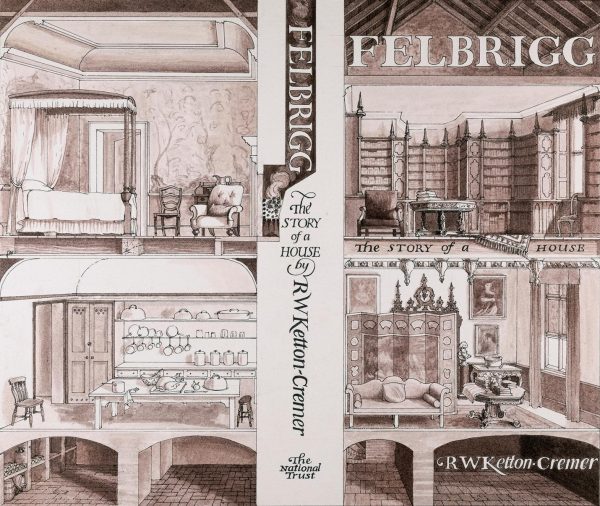
Felbrigg Hall, Norfolk
Mulgrave Castle, Yorkshire
National Gallery, London
Nostell priory, Yorkshire
Osterley Park, Middlesex
Old Grove House, Hampstead
1 Park Walk, Chelsea
Sandringham Estate
St John’s Lodge, Regents Park
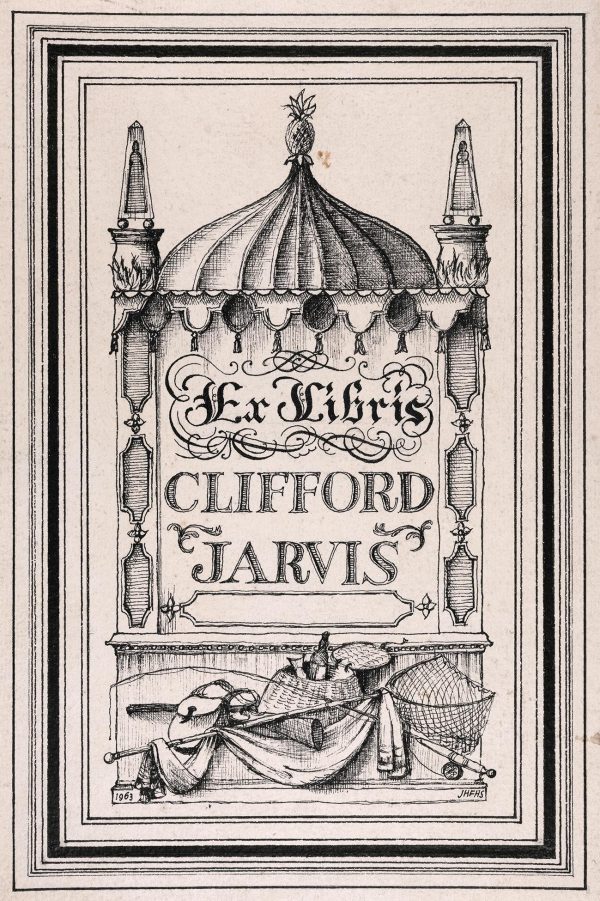
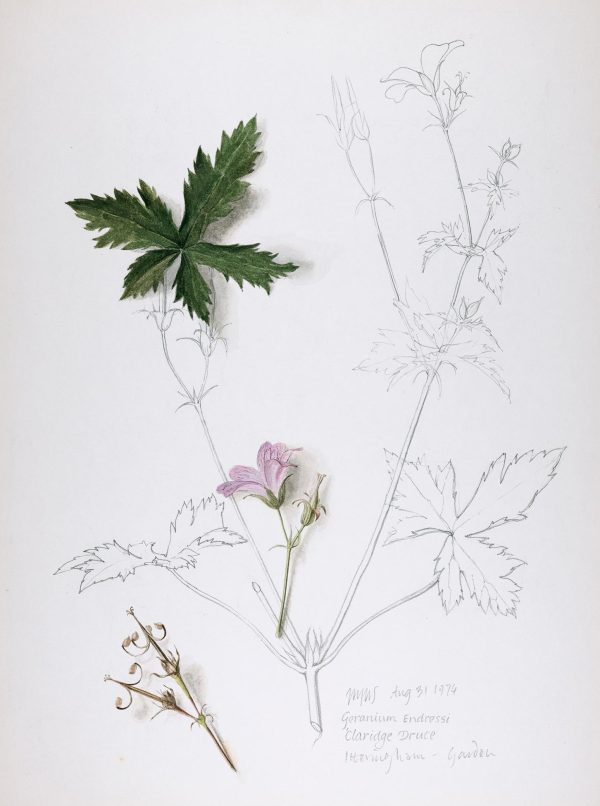
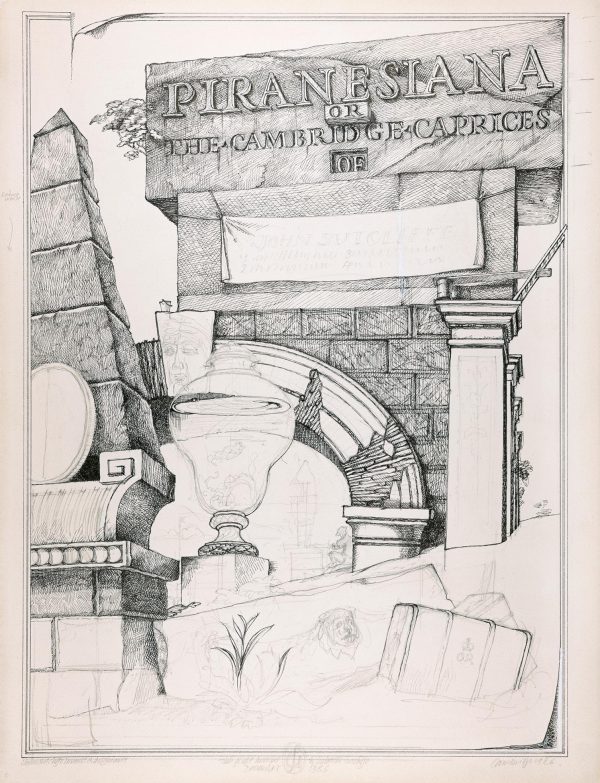
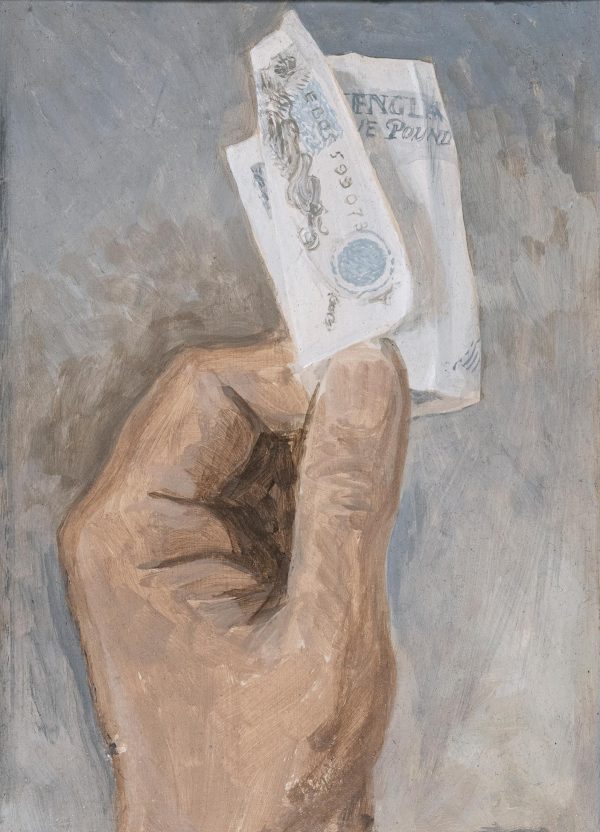
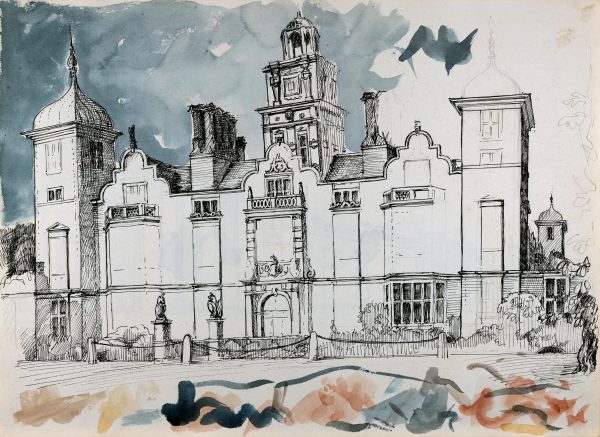
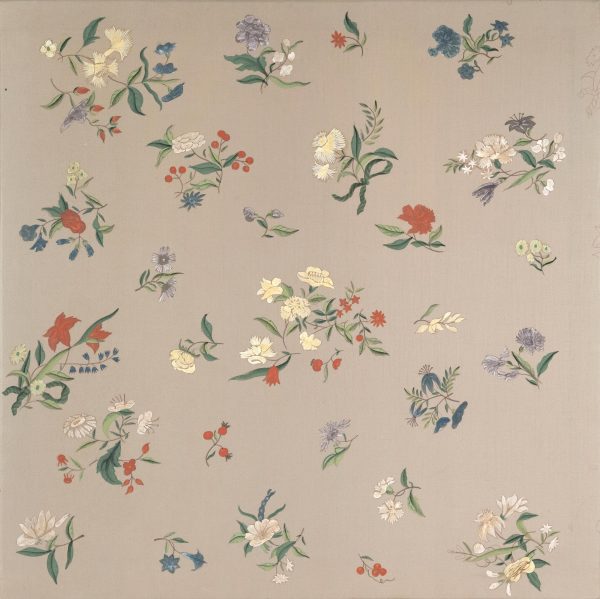
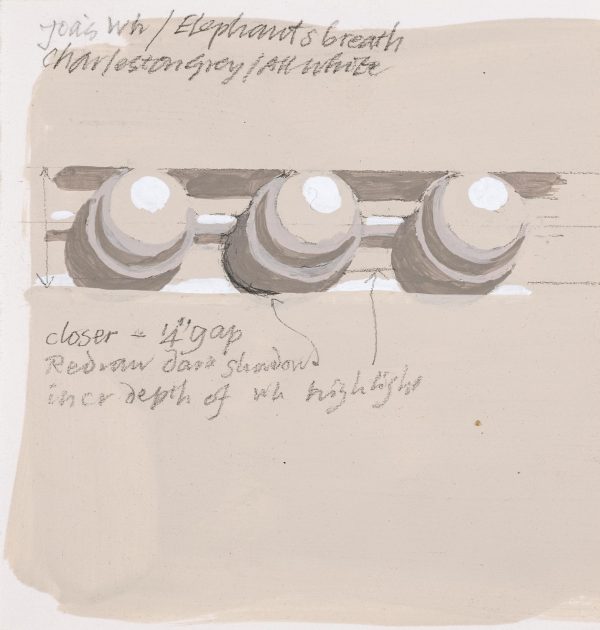
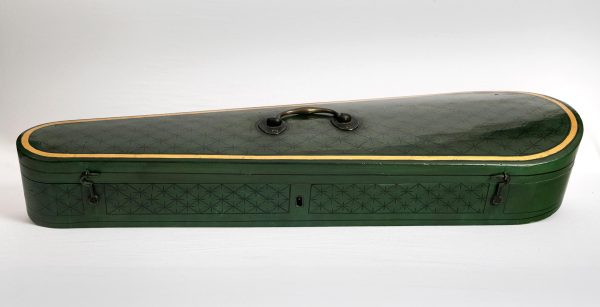
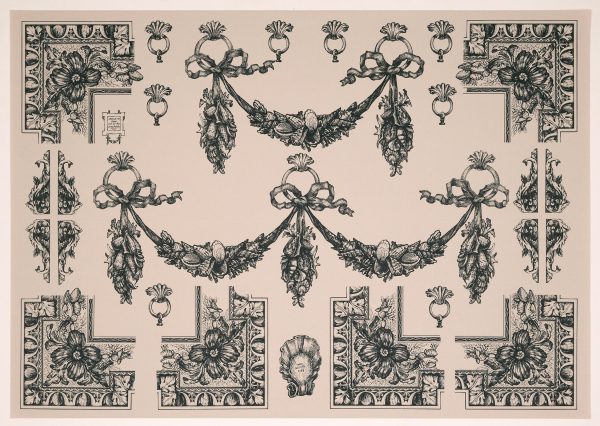
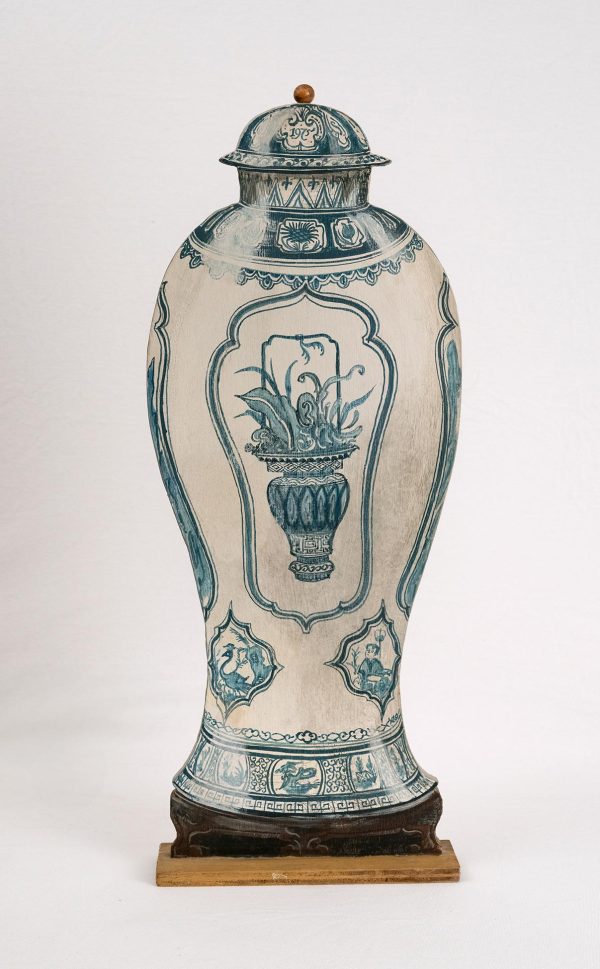
The works below all come from the Cambridge home John shared with his wife Gabrielle. They convey his professional interests as well as something of the wit and intelligence for which he is fondly remembered.
PAPER CANDLE-SHADES
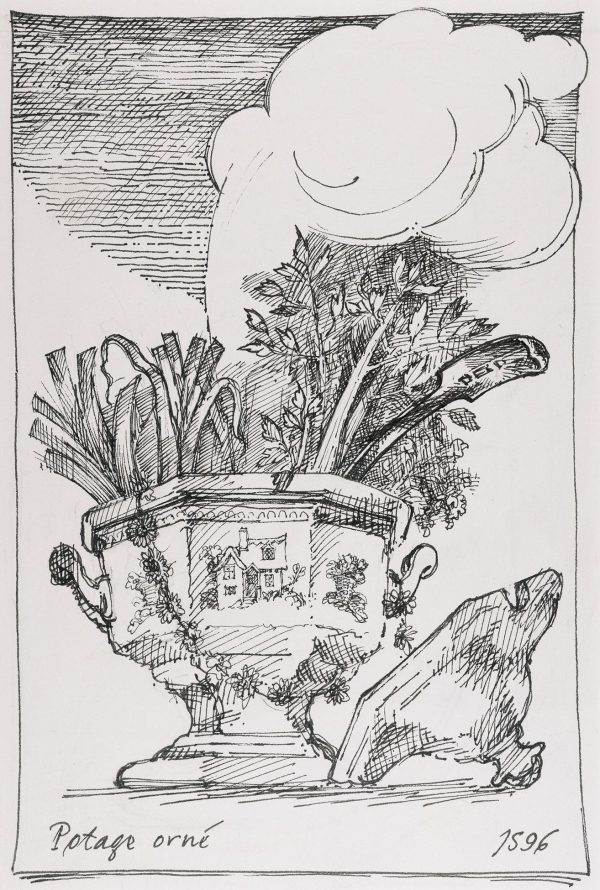
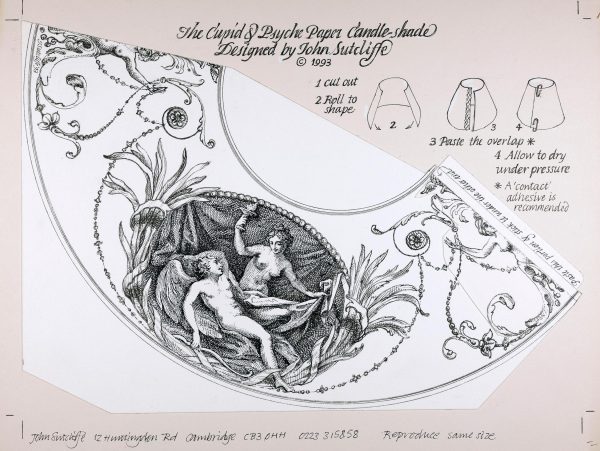
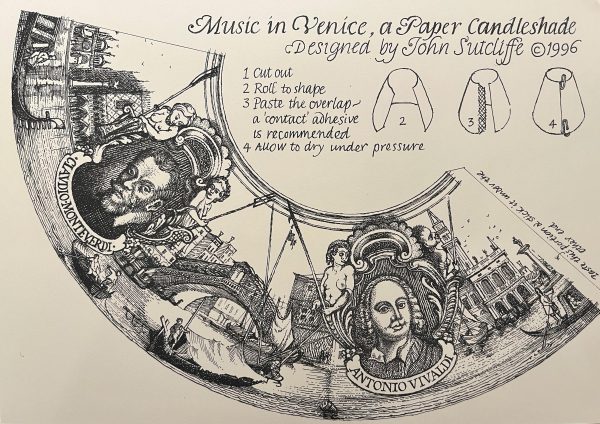
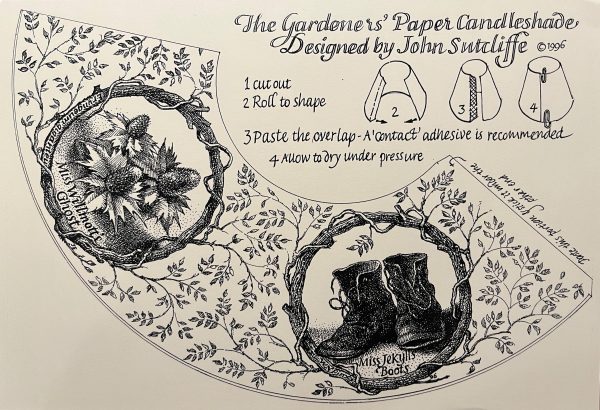
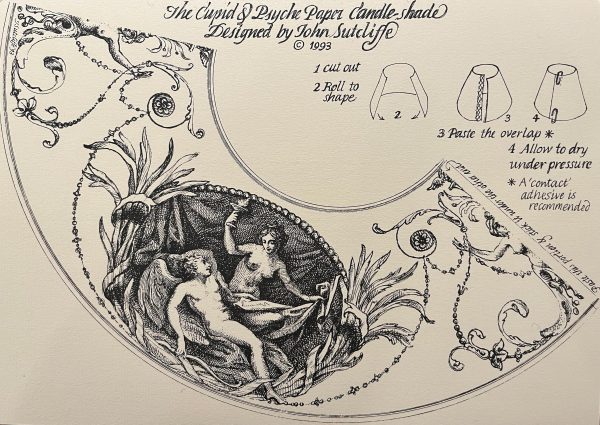
These were designed by John Sutcliffe in 1993 and 1996 (Cf. no.28, one of the original drawings, above). The designs can be cut out and the instructions followed to make functional candle-shades.* Sheets can be bought online and from the gallery. Online orders will be posted via Royal Mail 1st Class (UK) or Royal Mail International Signed For (Abroad) in an A4 hard-backed envelope.
* Disclaimer …. be careful of naked flames etc. etc.
THE COLOURS OF THE CYCLADES
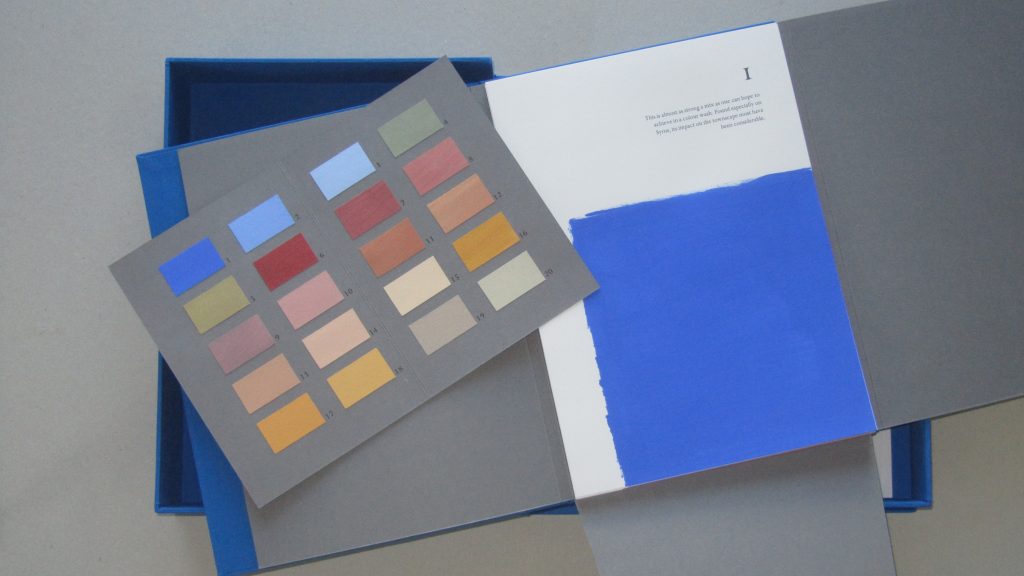
‘In his capacity as a decorative artist, John did a great deal of work in the Cyclades, in particular on the small island of Schinoussa. One of the outcomes of this was a growing fascination with what happened to colour on the buildings of Greece and the islands in particular. Why are so many buildings today white? Has that always been the fashion there? White is what we tourists expect, but is that white authentic for the Cycladic islands in particular? John researched the answers to these questions, visiting the islands and examining the walls of older buildings, looking for traces of the ‘lost colours’ and their history. An enthusiastic cook, he also took the opportunity to sample – and weave into his researches – the cuisine of the Greek islands. Parallels emerge between colour and food, driven largely by the same external forces’.
Martyn Ould, The Old School Press
Click here to order the book
TRIBUTES
John Sutcliffe was a rare and talented person. To call him a decorative painter does not convey the extraordinary range of his output; scholarly, witty, and possessed of draughtsman’s skills that seemed to leap directly from the first half of the eighteenth century, Sutcliffe was an artistic phenomenon. To my mind, John came from the same stable as Oliver Messel and Osbert Lancaster, as his artistic skills rose from a deep well of knowledge and love for Georgian art and design. A captivating companion, for whom the art of living mattered just as much as the art of the page, his homes were always beautifully crafted cabinets of curiosity – and his conversation something to be savoured like good food and good wine. Every little work in this selection speaks of just these qualities.
Jeremy Musson, M Phil, FSA, writer, broadcaster and heritage consultant, and author of English Country House Interiors (2011).
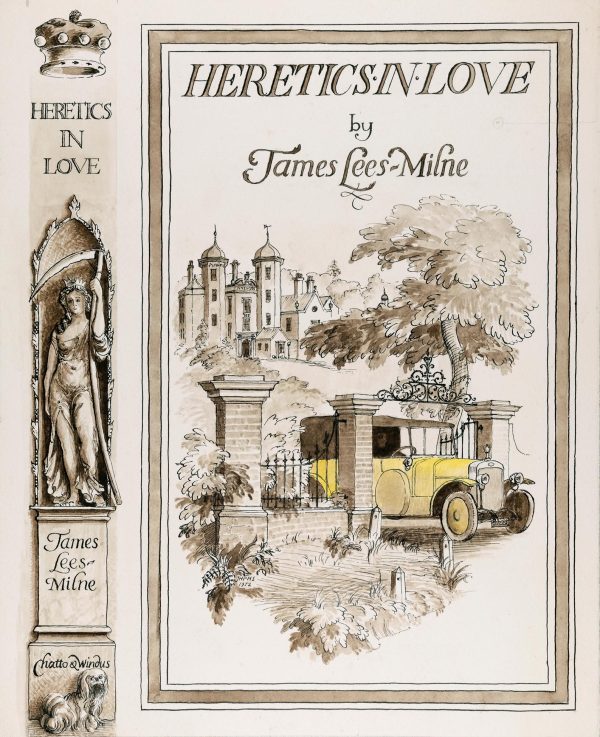
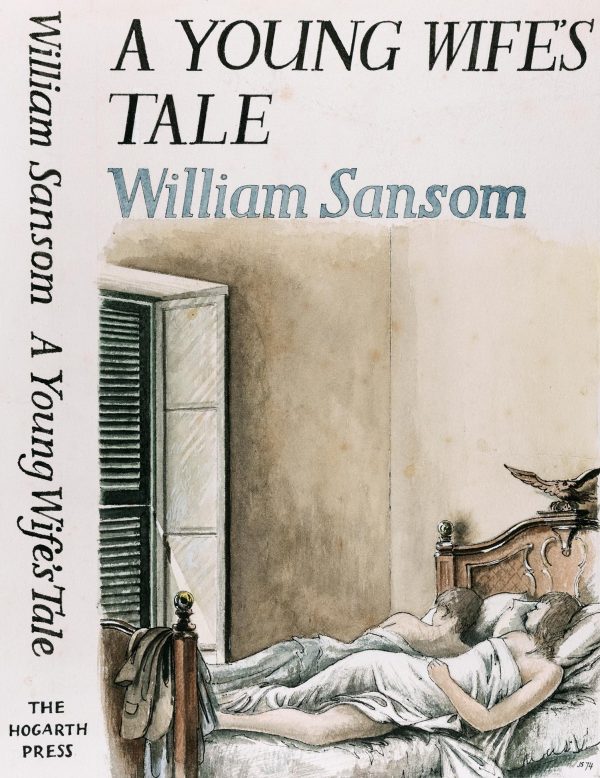
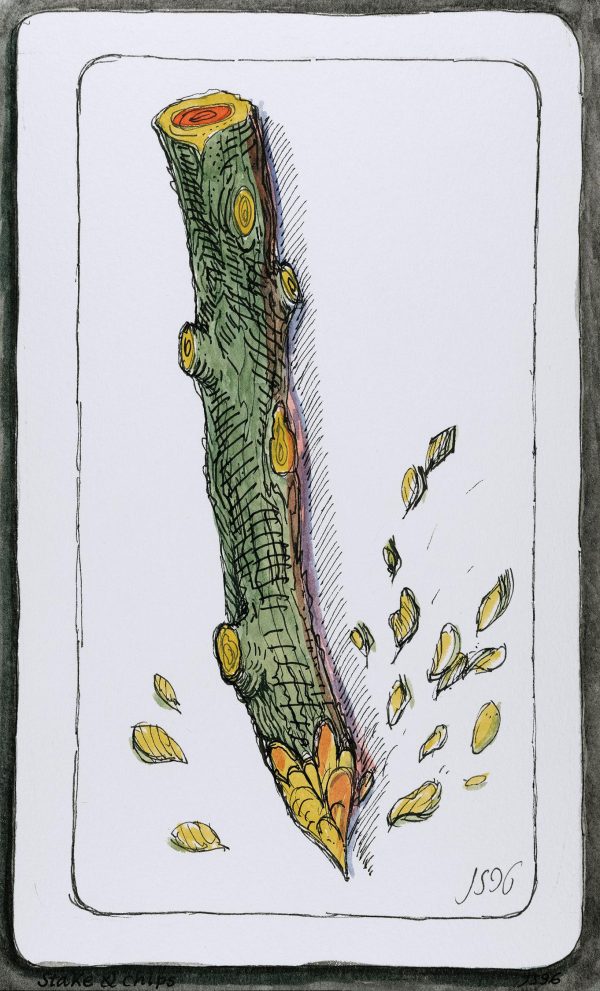
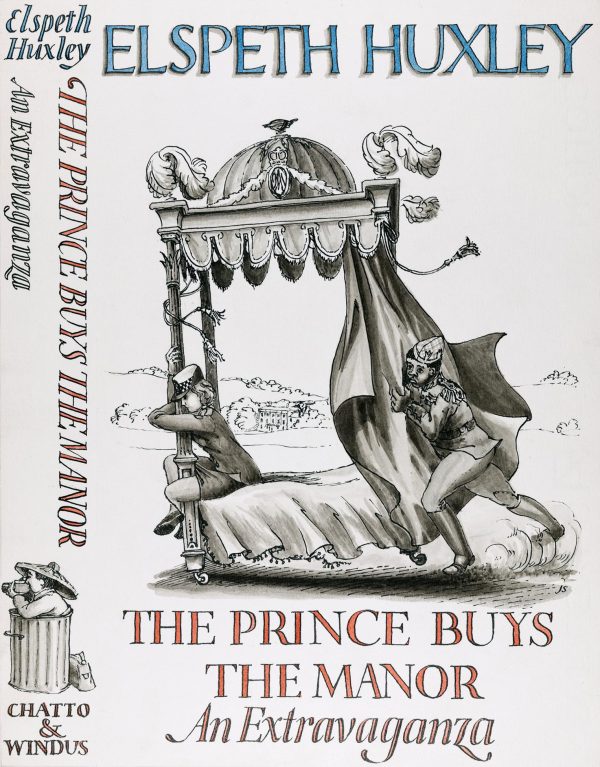
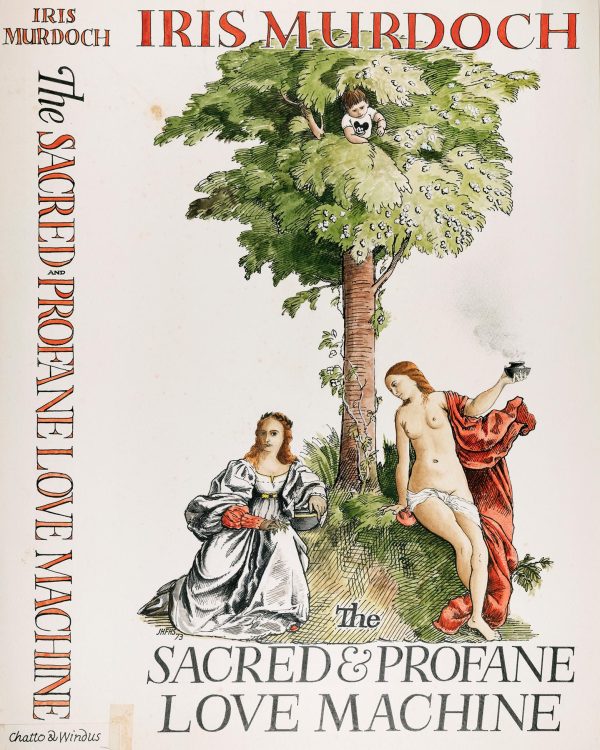
John was one of the most distinguished decorative painters of his generation, but his artistic practice extended well beyond painting interiors; his repertoire was wide-ranging and encompassed designing book plates, libraries, furniture, funerary monuments and book covers. He drew almost every day in a series of notebooks which were filled with ephemera and in which he thought out projects with a pencil in his hand. His work was underpinned by clarity of design and economy of execution, all informed by an effortless grasp of scale, rhythm and proportion. He was, amongst other things, perhaps the finest designer and cutter of stencils of his generation.
He had a life- long love for historic buildings and his deep knowledge of past schemes seemed so well assimilated that it was not really a case of imitating previous masters but of creating ‘in their spirit’. His knowledge and skill were however lightly worn, and it was John’s playful sense of humour which was always to the fore in his benign and genial company.
Alasdair Peebles, Decorative Painter who collaborated with John Sutcliffe for many years.